
Size
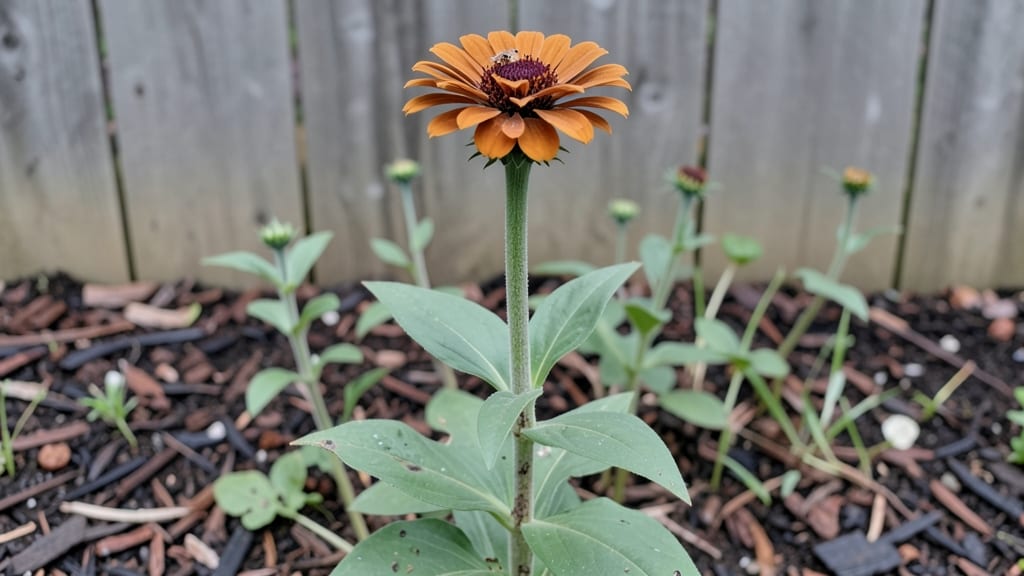
Those tall zinnia plants aren’t just possible—they’re the kind of bold, statement-making garden moment that makes neighbors stop and ask questions. 🌻 I’ve grown zinnias that towered over my head, their velvety blooms swaying like living chandeliers, and the secret lies in treating them like the sun-worshipping giants they’re meant to be.
The trick starts with soil that drains like a dream and full sun for at least six hours a day—no compromises. Plant seeds directly in the ground after your last frost when soil temps hit 60°F, and space them 12 inches apart to give those stems room to stretch.
Water deeply at the base (not overhead) to keep stems sturdy, and watch them shoot up faster than you can say "summer color."
By mid-summer, you’ll have stalks thick enough to support those dinner-plate blooms without flopping. Pinch back the first set of flowers to encourage bushier growth, and you’ll get a second wave of blooms that lasts until frost. The payoff? A garden that feels like a tropical paradise without the travel.
Works in borders, containers, or as cut flowers—just give them space and sun, and they’ll do the rest. Here’s how to keep them standing tall all season long.
📚 In This Guide
- What you need
- Instructions
- Tips and common mistakes
- Wrapping up and next steps
What you need
- ● Tall zinnia seeds: Choose varieties like Benary’s Giant or State Fair (packets typically contain 50-100 seeds).
- ● Well-draining potting mix or garden soil: 10-12 lbs for containers or enough to amend a 12” deep garden bed.
- ○ Containers (optional but helpful): 12” diameter pots (2-3 per plant) or a raised bed (minimum 12” depth).
- ● Fertilizer: Balanced 10-10-10 or slow-release granules (1 tbsp per plant at planting).
- ● Gloves & knee pads: For comfortable planting and maintenance.
- ● Trowel or transplanting spade: For digging and spacing seeds.
- ● Watering can or hose with a gentle nozzle: Zinnias need consistent moisture but hate soggy roots.
- ○ Stakes or cages (optional): 2-3 ft tall (1-2 per plant) to support heavy blooms.
- ● Sunny location: 6+ hours of direct sunlight daily—zinnias are sun worshippers!
- ● Pruning shears: For deadheading and shaping (sterilize with rubbing alcohol).
- ● 🌡️ Soil temp: Wait until soil is at least 55°F before planting (zinnias hate cold!).
- ● ✨ Spacing: Plant seeds 12-18” apart for optimal airflow and growth.
- ● 💧 Watering schedule: Keep soil evenly moist (not waterlogged) until established.
Step-by-Step instructions for growing towering zinnia varieties
Here's how to coax those dramatic 3-foot zinnia stalks from seed to showstopper blooms.
🌱 Step 1: Start Seeds Indoors at the Right Time
Fill 2-inch deep seed trays with the seed-starting mix and moisten it until damp but not soggy. Zinnia seeds germinate best at 70-75°F, so place trays on a seedling heat mat if your home runs cooler. Plant seeds ¼ inch deep, spacing them ½ inch apart—they'll be crowded at first, but you'll thin later.
Cover the trays with a clear plastic dome to retain warmth and moisture. Check daily for condensation buildup—wipe it off with a damp cloth to prevent mold. Seeds typically sprout in 7-14 days, though cooler rooms may take longer. Once 50% have germinated, remove the dome immediately to avoid damping-off.
☀️ Step 2: Harden Off and Transplant for Strong Stems
Two weeks before your last frost date, begin hardening off seedlings by placing them outside in a shaded, sheltered spot for 1-2 hours the first day. Gradually increase exposure over 10-14 days, ending with a full day in direct sun. This toughens stems so they won't snap when you transplant.
Choose a sunny garden spot with 6+ hours of full sun daily—zinnia stalks need this to reach their full height. Space plants 12-18 inches apart in rows 18-24 inches apart to allow airflow and prevent mildew. Dig holes just deep enough to bury the root ball, then water deeply to settle the soil.
💧 Step 3: Water Deeply and Support for Maximum Height
Water zinnia plants at the base with 1-2 inches of water per week, aiming for deep, infrequent soakings rather than light daily sprinkles. Wet foliage encourages powdery mildew, so avoid overhead watering. Mulch around plants with 2 inches of straw mulch to retain moisture and suppress weeds.
As stems reach 12-18 inches tall, install 4-foot tall stakes or tomato cages near each plant. Gently tie the main stem to the support with soft plant ties—this prevents wind damage and encourages vertical growth. Pinch back the top set of leaves when plants are 6-8 inches tall to promote bushier side branches.
✂️ Step 4: Deadhead and Fertilize for Continuous Blooms
Remove spent blooms by snipping the stem just above a set of leaves with clean pruners. This redirects energy to new flowers and extends the blooming season. I deadhead every 2-3 days during peak bloom—neglecting this step leads to leggy stems and fewer flowers.
Feed plants with ½ teaspoon of 10-10-10 fertilizer every 4-6 weeks during the growing season. Water deeply after fertilizing to prevent root burn. Tall zinnias benefit from a second application of fertilizer mid-season to support their height and heavy blooms.
🌿 Step 5: Prevent Common Issues for Long-Lasting Stalks
Watch for powdery mildew as a white dust on leaves—this thrives in humid conditions. Improve airflow by spacing plants properly and watering at the base. If mildew appears, spray leaves with a 1:1 water-vinegar mix in the early morning for prevention.
To encourage even height growth, rotate plants a quarter turn weekly so all sides receive equal sun exposure. This prevents stems from leaning toward the light. Harvest individual blooms by cutting the stem just below the flower head—this encourages more buds to form along the stem.
Tips & tricks for growing towering zinnia varieties
Here's what I learned after growing zinnias that reached their full dramatic 3-foot potential—and how to avoid the mistakes that keep most gardeners from achieving the same results.
Temperature Control in Step 1: That 70-75°F range for seed germination is non-negotiable. If your home runs cooler, invest in a seedling heat mat—it makes the difference between reliable germination and waiting weeks for seeds to sprout. I've seen germination times stretch to 21 days in rooms below 65°F, so don't skip this step if you want consistent results.
Harden Off Gradually in Step 2: The 1-2 hour initial exposure might seem short, but this gradual process is what strengthens those delicate stems. I learned this the hard way when my first batch snapped during transplanting—now I increase exposure by 30 minutes each day until they're ready for full sun. This toughening process takes the full 10-14 days, but it's worth it for those sturdy 3-foot stalks.
Support System Secret: Don't wait until stems reach 12-18 inches to install supports—set up those 4-foot stakes or tomato cages when plants are about 6 inches tall. This gives them something to climb as they grow, preventing the stems from bending under their own weight. I use soft plant ties that can be adjusted as the stems thicken, which avoids damaging the delicate growth.
Deadheading Discipline: Those 2-3 day deadheading intervals might seem frequent, but they're what keep your zinnias producing non-stop blooms. I set a phone reminder because I've seen beautiful zinnias go from showstopper to sad and leggy in just 5 days when I skip this step. The key is to snip just above a set of leaves—this encourages new buds to form from that node.
Pro Tips for Tall Zinnia Plants
- Here's what I learned after growing zinnias that reached their full dramatic 3-foot potential—and how to avoid the mistakes that keep most gardeners from achieving the same results.
- Temperature Control in Step 1: That 70-75°F range for seed germination is non-negotiable.
- Harden Off Gradually in Step 2: The 1-2 hour initial exposure might seem short, but this gradual process is what strengthens those delicate stems.
Frequently asked questions
Got questions about growing tall zinnia plants? You’re not alone! Here are some of the most common concerns—and straightforward answers—to help you cultivate those stunning sun-loving giants with ease.
How tall can tall zinnia plants really grow?
With the right variety (like Zinnia elegans ‘Benary’s Giant’ or ‘State Fair’) and ideal conditions, tall zinnias can reach 3–4 feet or even taller! Ensure they get full sun (6+ hours/day), well-draining soil, and regular deadheading to encourage vertical growth. Staking or spacing plants 12–18 inches apart also helps them thrive.
When is the best time to plant tall zinnias for maximum height?
Start seeds indoors 6–8 weeks before your last frost date or sow directly outdoors after soil warms (around 70°F). For continuous blooms, stagger plantings every 2–3 weeks. Tall zinnias grow best in spring to early summer—planting too late may stunt their height due to shorter daylight hours.
What should I do if my tall zinnias are flopping over or leaning?
Floppy stems are usually a sign of overcrowding, weak stems, or poor support. Space plants properly, stake them early (use bamboo stakes or tomato cages), or try tall varieties with stronger stems like ‘Profusion’ series. Prune lower leaves to improve airflow, and avoid overwatering—soggy soil weakens stems.
Can tall zinnias grow in partial shade, or do they need full sun?
While they tolerate light shade (especially in hot climates), tall zinnias thrive best in full sun. In partial shade (<4–6 hours of sun), they may grow leggy, produce fewer blooms, or reach only half their potential height. If shade is unavoidable, choose shade-tolerant varieties like ‘Crystal’ or ‘Lilliput’ (though they’re shorter).
How do I prevent pests like aphids or spider mites from damaging my zinnias?
Tall zinnias attract pests, but prevention is key! Start with healthy plants (sterilized soil, disease-free seeds), and inspect leaves regularly. Spray with neem oil or insecticidal soap at the first sign of pests. Encourage beneficial insects (like ladybugs) by planting marigolds or basil nearby. Avoid over-fertilizing with nitrogen—it attracts soft-bodied pests.
What’s a good alternative if tall zinnias don’t thrive in my climate?
If your zone is too hot, humid, or short-season, try these tall, sun-loving alternatives:
- Sunflowers (e.g., ‘Moulin Rouge’ – 5–6 ft tall, drought-tolerant)
- Cosmos (e.g., ‘Bright Lights’ – 3–4 ft, self-seeding, low-maintenance)
- Cleome (Spider Flower) (4–5 ft, thrives in poor soil, heat-loving)
- Statice (2–3 ft, drought-resistant, long-lasting blooms)
Wrapping up and next steps
Growing tall zinnia plants is a rewarding way to add vibrant color and height to your garden—no green thumb required! With the right mix of sunlight, well-draining soil, and consistent care, you’ll be enjoying towering blooms that reach 3 feet or more.
Don’t let a few challenges discourage you; even experienced gardeners face pests or weather hiccups—just adapt and enjoy the process!
Ready to transform your garden? 🌻 Start by picking your favorite zinnia varieties, grab your supplies, and plant with confidence. Next, share your progress with fellow gardeners or snap some photos—your hard work deserves to be celebrated! Happy planting!