
Diseases
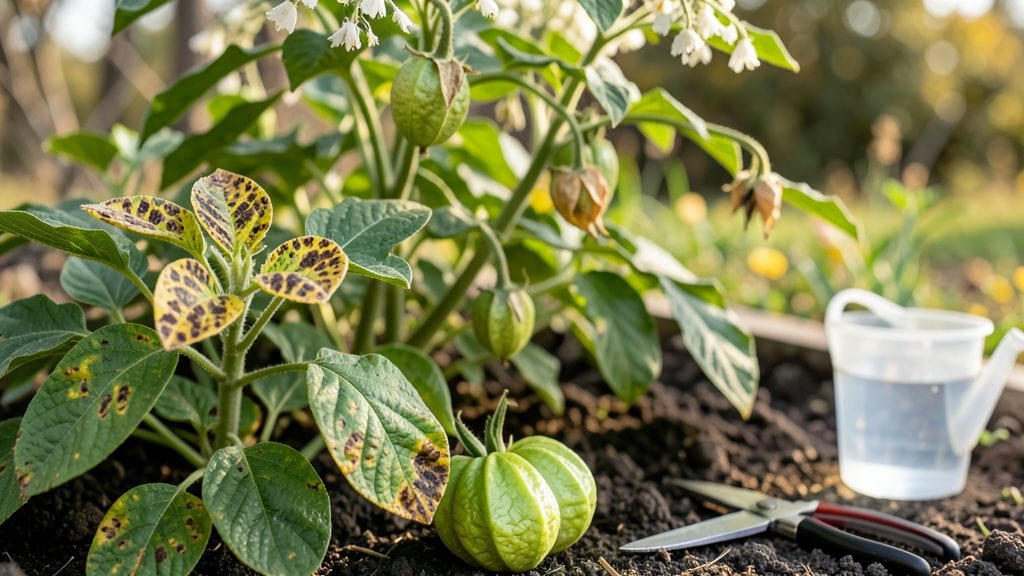
Your tomatillo plants are fighting an invisible war—spotting diseases early means the difference between a bountiful harvest and a sad, wilted mess. 🌱 I’ve seen bacterial spot turn my tomatillos into a sad, spotted disaster, and once you know the signs, you can stop it before it spreads.
The key is acting fast, because these diseases don’t wait for you to figure things out.
Most tomatillo diseases—like powdery mildew or fungal infections—start with tiny clues you might miss if you’re not looking. Yellowing leaves, white powder, or dark spots? Those are your first warnings.
The good news is that organic remedies like neem oil, copper sprays, and proper spacing can keep your plants healthy without harsh chemicals. I’ve used these tricks to save my own crops, and they work.
By the time you finish reading, you’ll recognize the early signs of trouble and know exactly how to treat them. No more guessing games or losing your entire harvest to something preventable.
The goal is simple: keep your tomatillos thriving so you can enjoy that tangy, fresh flavor all season long.
Whether you’re dealing with a single plant or a whole garden, these solutions adapt easily. The right mix of prevention and quick action makes all the difference—so let’s get your tomatillos back in fighting shape.
Root causes behind tomatillo troubles
Tomatillo plants, while hardy and rewarding, can fall victim to a variety of diseases—each with its own set of triggers. Understanding the why behind these issues is the first step to preventing them. Below, we break down the most common culprits and their scientific roots.
Fungi thrive in warm, moist conditions, making them a persistent threat to tomatillo plants. Here’s how they exploit your garden:
- Overhead Watering 💦 Fungal spores splash onto leaves and stems when water hits the foliage directly. Unlike soil-drenching methods, overhead irrigation creates the perfect environment for pathogens like Alternaria and Phytophthora to latch on. These fungi cause leaf spots and root rot, respectively, by disrupting cell walls and clogging plant tissues with mycelium (fungal threads).
- Poor Air Circulation ⚡ Dense plantings or crowded gardens trap humidity near the foliage. Fungi like Septoria spread rapidly in stagnant air, forming dark, concentric lesions on leaves. The lack of airflow also slows evaporation, keeping moisture levels ideal for spore germination.
- Old or Infected Plant Debris 🗑️ Fungal spores can survive in dead leaves, stems, or even soil for years. When you replant in the same spot without cleaning up debris, you’re essentially inviting a repeat infection. Fusarium wilt, for example, overwinters in contaminated soil and re-emerges when new roots encounter its spores.
Pro Tip: 💡 Always water at the base of the plant in the morning (not evening) to allow foliage to dry quickly. Space plants 18–24 inches apart to improve airflow.
Bacteria are opportunistic pests that exploit wounds or weak spots in your tomatillo plants. Their spread is often tied to:
- Physical Damage 🔪 Pruning tools, hail, or even insect bites create entry points for bacteria like Xanthomonas and Pseudomonas. Once inside, these pathogens multiply rapidly, producing toxins that cause wilting, yellowing, or oozing lesions. Pseudomonas, for instance, thrives in temperatures above 80°F (27°C), accelerating its destructive cycle.
- Contaminated Tools or Hands 🧤 Bacteria hitchhike on garden tools, gloves, or even your hands if you touch an infected plant and then a healthy one. Clavibacter michiganensis, which causes bacterial wilt, can survive on surfaces for weeks, waiting for the right host.
- Stress from Environmental Factors 🌡️ Heatwaves, drought, or nutrient deficiencies weaken tomatillos, making them more susceptible to bacterial infections. Stressed plants can’t mount a strong defense, allowing bacteria to colonize tissues more easily.
Pro Tip: ✨ Sterilize pruners with a 10% bleach solution (1 part bleach to 9 parts water) between cuts. Avoid gardening when plants are wet to minimize bacterial transfer.
Viruses don’t just appear—they need a vector (like insects or contaminated tools) to jump from plant to plant. Tomatillos often catch viruses from:
- Sap-Sucking Insects 🐛 Aphids, whiteflies, and leafhoppers feed on plant sap, which may contain viruses like Tomato Mosaic Virus (ToMV) or Cucumber Mosaic Virus (CMV). As they move between plants, they inject viral particles directly into the phloem (plant’s vascular system), causing stunted growth, mottled leaves, and deformed fruit.
- Grafting or Propagation from Infected Stock 🌱 If you use cuttings or seeds from a virus-infected tomatillo, the disease spreads instantly. Viruses like Tomato Spotted Wilt Virus (TSWV) can lie dormant in plant tissues for years, only activating when conditions are right.
- Poor Sanitation in Greenhouses 🏠 In controlled environments, viruses spread faster due to limited airflow and repeated tool use. Even a single infected plant can contaminate an entire crop if not isolated immediately.
Pro Tip: 🎯 Remove and destroy infected plants immediately (do not compost them). Use row covers to block insect vectors and source seeds from certified disease-free suppliers.
Diseases don’t just appear out of nowhere—they exploit plants that are already struggling. Common stressors include:
| Factor | How It Helps Diseases Spread |
|---|---|
| Extreme Heat 🔥 | High temperatures (above 90°F/32°C) can cause sun scorch, creating wounds where pathogens enter. Heat also increases transpiration, making plants more vulnerable to fungal infections like powdery mildew. |
| Waterlogging 💧 | Soggy soil cuts off oxygen to roots, leading to root rot (Pythium or Phytophthora). Waterlogged conditions also encourage fungal spores to germinate and infect above-ground tissues. |
| Nutrient Deficiencies 🍽️ | Lack of nitrogen, phosphorus, or potassium weakens cell walls, making plants easier targets. For example, a magnesium deficiency (showing as yellowing between leaf veins) reduces chlorophyll production, impairing the plant’s ability to fight off diseases. |
| Sudden Temperature Shifts ❄️☀️ | Cold nights followed by hot days shock plants, triggering stress responses that suppress immunity. This opens the door for diseases like Botrytis (gray mold), which thrives on stressed tissues. |
Pro Tip: 🌡️ Monitor soil moisture with a moisture meter and mulch to regulate temperature. Conduct a soil test every 2–3 years to address nutrient imbalances proactively.
Fixing Tomatillo Plant Issues Fast
Tomatillo plants can fall victim to a variety of diseases, but the good news is that most can be managed—even reversed—with the right approach. Below, we’ve mapped out practical fixes for common ailments, paired with prevention tips to keep your plants thriving.
Think of this as your emergency guide for a healthy harvest!
**🔥 Cause: Fungal spores (especially in humid, crowded conditions). 👨🍳 Fix It:
- Prune aggressively 🔪—Remove and destroy (don’t compost!) infected leaves. Focus on lower foliage first.
- Space plants wider (18–24 inches apart) for better airflow. Crowding = fungal paradise.
- Apply copper fungicide (organic option) or baking soda spray (1 tsp baking soda + 1 quart water + a drop of dish soap) every 7–10 days until new growth appears.
- Water at the base ⏰—avoid overhead sprinkling, especially in the evening.
💡 Prevention Pro Tip:
- Rotate crops—don’t plant tomatillos in the same spot next year. Fungi love repeat offenders!
- Mulch with straw (not hay) to reduce soil splashing onto leaves.
🔥 *Cause:*** Xanthomonas bacteria, thriving in wet, warm conditions. **👨🍳 Fix It:
- Remove infected leaves immediately—use sanitized pruners (wipe with rubbing alcohol).
- Thin plants to improve airflow—bacteria spread like wildfire in dense foliage.
- Spray with copper or neem oil (mix 2 tbsp neem oil + 1 tsp mild soap per gallon of water) every 5–7 days.
- Avoid overhead watering—use drip irrigation or soaker hoses instead.
💡 Prevention Pro Tip:
- Sterilize tools between plants to prevent cross-contamination.
- Plant resistant varieties like ‘Purple Tomatillo’ if bacterial spot is recurrent in your area.
🔥 Cause: Fungal spores (white, powdery coating on leaves). 👨🍳 Fix It:
- Wipe leaves with a damp cloth (mix 1 tbsp neem oil + 1 tsp baking soda in a gallon of water) to physically remove spores.
- Increase airflow—stake plants or use fans (gently!) to dry leaves faster.
- Spray with milk solution (1 part milk to 9 parts water) weekly—the lactic acid fights fungi naturally.
- Remove heavily infected leaves and dispose of them in the trash.
💡 Prevention Pro Tip:
- Plant in full sun—powdery mildew loves shade and humidity.
- Avoid nitrogen-heavy fertilizers—too much soft growth = more mildew targets.
🔥 Cause: Fungal soil-borne pathogens (affects young seedlings). 👨🍳 Fix It:
- Stop watering from above—switch to bottom-watering trays or drip systems.
- Sterilize soil—mix in 1 part perlite to 3 parts potting mix to improve drainage.
- Sprinkle cinnamon or hydrogen peroxide (3%) on soil surface to inhibit fungi.
- Repot affected seedlings in fresh, sterile soil if roots are still firm.
💡 Prevention Pro Tip:
- Use seedling heat mats to keep soil warm and dry faster.
- Avoid overcrowding in trays—space seedlings 1 inch apart.
No matter the issue, these universal tips will fortify your tomatillos:
- Rotate crops annually to break disease cycles.
- Test soil pH (aim for 6.0–7.0)—acidic soil weakens plants.
- Harvest promptly—ripe tomatillos are less susceptible to rot.
- Clean up debris in fall to remove overwintering spores.
✨ Final Thought: Most tomatillo diseases are preventable with good hygiene and airflow. Act fast, stay consistent, and your plants will bounce back—ready for a bountiful, disease-free harvest**! 🌱🍅
Frequently asked questions
What are the most common signs of fungal infections in tomatillo plants?
Look for white powdery coatings (powdery mildew), dark concentric spots (leaf spot), or yellowing leaves with blackened veins (early blight). Fungal infections often start on older leaves and spread upward. Check undersides of leaves first—many spores hide there until it’s too late.
Can I still use my tomatillos if they have bacterial spots?
Yes, but remove the infected leaves immediately. The fruit itself is usually safe to eat, but don’t use those leaves for salsas or cooking. The bacteria primarily attack foliage, not the fruit. Always wash harvested tomatillos thoroughly before using.
How do I know if my tomatillo plant has a virus?
Watch for stunted growth, mottled or distorted leaves, and deformed fruit—these are classic virus symptoms. Viruses often cause yellowing patterns that follow leaf veins. Since there’s no cure, remove infected plants immediately and disinfect tools to prevent spread.
Will neem oil work on all tomatillo diseases?
Neem oil is excellent for fungal and bacterial issues but won’t help with viruses. For fungal problems, mix 2 tablespoons of neem oil with 1 teaspoon of mild soap per gallon of water and spray every 5–7 days. Always apply in the morning for best results.
How can I prevent diseases in my tomatillo plants next season?
Start with disease-free seeds, rotate crops annually, and improve airflow by spacing plants 18–24 inches apart. Use drip irrigation instead of overhead watering, and remove all plant debris in fall. Mulch with straw to reduce soil splashing onto leaves.