
Pruning
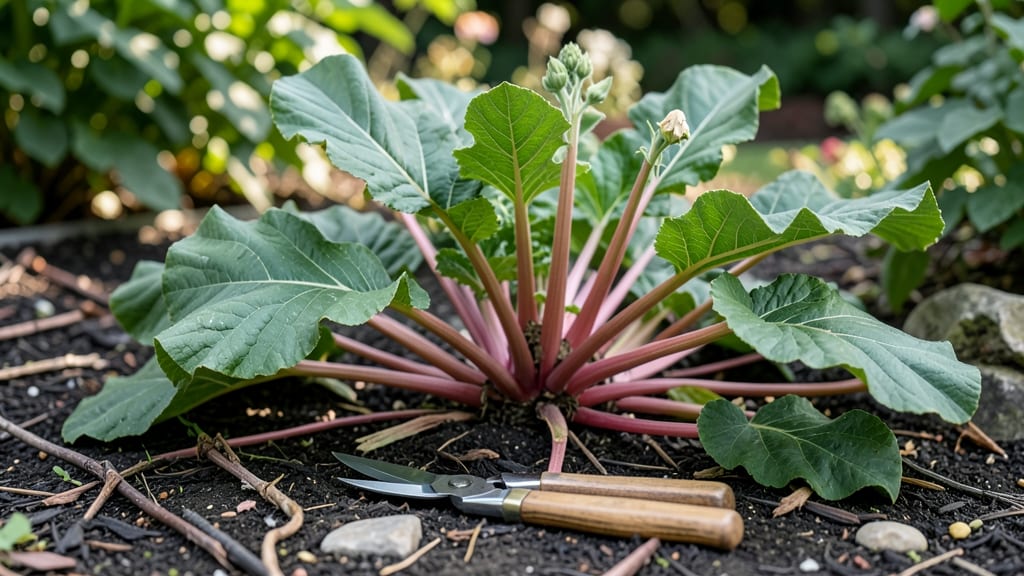
Trimming rhubarb plants at the right times turns a scraggly mess into a thriving harvest machine. ✨ I learned the hard way that cutting too early or too late stunts growth—now my plants produce thick, juicy stalks from spring until frost.
The secret isn’t just when you cut, but how you do it.
You’ll need sharp pruners, gloves (rhubarb leaves are toxic), and a clear day to work. Start in late spring after the first harvest, then repeat every 2-3 weeks through summer.
In fall, cut back everything except the crown to protect next year’s growth. The goal is to encourage new shoots while keeping the plant healthy.
Done right, you’ll end up with plump, vibrant stalks all season—no more tough, stringy rhubarb. The plant stays compact, resists disease, and comes back stronger every year. Just avoid cutting into the crown or you’ll weaken the root system for good.
Works for both backyard gardens and container growers—just adjust timing based on your climate. Here’s exactly how to do it without ruining your plants.
📚 In This Guide
- What you need
- Instructions
- Tips and common mistakes
- Wrapping up and next steps
What you need
- ● Sharp pruning shears or secateurs: Choose bypass (not anvil) type to avoid crushing stems. Size: 6-8 inches, with a comfortable grip.
- ● Clean, sharp garden knife or pruning saw: For thicker stems or stubborn cuts. Blade length: 4-6 inches.
- ● Disinfectant (70% isopropyl alcohol or bleach solution): 1 part bleach to 9 parts water. Use: Wipe tools before and after trimming to prevent disease spread.
- ● Garden gloves: Heavy-duty, cut-resistant (e.g., mechanix or workpro brands). Why? Protects against thorns and sap irritation.
- ● Compost bin or bucket: For collecting trimmed stalks and leaves. Size: At least 5 gallons (or larger if trimming multiple plants).
- ○ Markers or flags (optional but helpful): Small stakes or labeled tags to mark newly planted crowns or areas to avoid.
- ● Pruning saw with a fine-tooth blade: For stubborn, woody stalks in older plants.
- ● Hose with a gentle spray nozzle: To rinse tools and clean sap off hands after trimming.
- ● Mulch (straw, wood chips, or shredded leaves): Apply a 2-3 inch layer around the base post-trimming to retain moisture.
- ● Plant food (balanced fertilizer, 10-10-10): A handful sprinkled after trimming to replenish nutrients.
- ● Knee pads or a small stool: For comfort when trimming larger patches or older plants.
Step-by-Step guide for trimming rhubarb plants
Here's the seasonal approach I've used for years to keep rhubarb vigorous and productive.
✂️ Step 1: Early Spring Cutting (After Frost)
Wait until after the last frost when soil warms to 50°F—this prevents crown damage. Using clean, sharp pruners, cut stalks 1 inch above the ground at a 45-degree angle to avoid tearing the tissue. I always leave the leafy tops on the plant; they'll photosynthesize and feed the roots.
Remove only the mature stalks (those thicker than a pencil). You'll see them first—they're bright red or green and firm to the touch. Avoid cutting anything smaller than your thumb, as those need to mature. This first harvest typically happens in late April or early May, depending on your zone.
✂️ Step 2: Summer Maintenance (Every 2-3 Weeks)
During the growing season, harvest stalks when they reach 12-18 inches tall—this encourages continuous production. Cut at the base with a single motion, leaving the crown intact. I never remove more than one-third of the stalks at a time; otherwise, the plant gets stressed and may go dormant.
Watch for new growth emerging from the center of the plant. These are your next harvest candidates. If you see stalks growing toward the center, they're competing with the crown and should be removed immediately. Summer is also when I remove any flower stalks that appear—they sap energy from the plant and reduce next year's harvest.
✂️ Step 3: Late Summer Preparation (6-8 Weeks Before Frost)
About 6-8 weeks before your first expected frost, stop harvesting entirely. This gives the plant time to store energy in the roots for next season. During this period, I focus on removing any diseased or yellowing leaves with pruners, cutting them back to healthy tissue. Never pull leaves by hand—you'll risk damaging the crown.
If you have a particularly productive plant, you can lightly harvest one or two stalks in early fall for late-season use, but this is optional. The goal is to let the plant rest. I also add a 2-inch layer of mulch around the base to protect the crown from temperature swings.
✂️ Step 4: Winter Pruning (Late Winter)
In late February or early March, before new growth starts, remove any dead or broken stalks from last season. Cut them back to the ground level. This is also when I check for any crown rot—if you see soft, mushy tissue, dig up the plant and discard the affected parts immediately.
Don't prune back healthy stalks in winter. The plant is dormant, and cutting now removes potential growth. Instead, focus on clearing debris around the plant. A light raking removes old leaves that could harbor pests or diseases over winter.
⏰ Step 5: Post-Harvest Care (Year-Round)
After each harvest, water the plant deeply if rainfall has been less than 1 inch in the past week. Rhubarb roots extend deep, so a thorough soaking encourages strong growth. I also add a balanced organic fertilizer in early spring and again after the first harvest to replenish nutrients.
Here's the thing—rhubarb thrives with minimal fuss. Just avoid working the soil around the plant, as rhubarb roots are shallow and sensitive. If you notice stalks becoming thin or sparse, it's a sign the plant needs rest, not more aggressive pruning. Over-trimming is the fastest way to reduce next year's harvest.
Tips & tricks for perfect rhubarb plant trimming
Keeping your rhubarb healthy through the seasons is all about timing and technique—here's what I've learned after years of growing my own.
The Soil Temperature Secret: That 50°F soil temperature in Step 1 is critical—it's when the plant's roots become active again after winter dormancy. I always test soil temperature with a simple thermometer (available at garden centers) rather than guessing by frost dates. Cold soil can shock the crown and set back your harvest by weeks. If you're in doubt, wait a few extra days rather than risking damage.
Harvesting Technique That Changed Everything: The 45-degree angle cut in Step 1 isn't just about neatness—it prevents water from pooling at the base of the stalk, which can lead to rot. I also find that using clean, sharp pruners (I sterilize mine with rubbing alcohol between plants) prevents spreading any potential diseases. For summer harvests, I mark my calendar every 2-3 weeks to stay on schedule—consistency is key for continuous production.
Late Season Strategy: When you stop harvesting 6-8 weeks before frost in Step 3, resist the temptation to take just "a few more stalks." That extra harvest might seem harmless, but it can prevent the plant from storing enough energy for next spring. I've seen plants that produced beautifully in summer but barely survived winter because of over-harvesting. The mulch layer you add is your insurance policy—it moderates soil temperatures and protects against freeze-thaw cycles.
Winter Pruning Wisdom: In Step 4, when you're checking for crown rot, look for a clean break when you cut into healthy tissue. Soft, blackened areas mean rot has set in, and you'll need to remove that section completely. I've had to dig up entire plants when rot reached the crown—better to catch it early. Also, that late February timing is perfect because new growth hasn't started yet, so you're not removing any potential shoots.
Pro Tips for Trim Rhubarb Plants
- Keeping your rhubarb healthy through the seasons is all about timing and technique—here's what I've learned after years of growing my own.
- The Soil Temperature Secret: That 50°F soil temperature in Step 1 is critical—it's when the plant's roots become active again after winter dormancy.
- Harvesting Technique That Changed Everything: The 45-degree angle cut in Step 1 isn't just about neatness—it prevents water from pooling at the base of the stalk, which can lead to rot.
Frequently asked questions
Got questions about trimming rhubarb? You’re not alone—this hardy plant has a few quirks! Here are answers to the most common concerns to keep your rhubarb thriving and productive.
When is the best time to trim rhubarb plants?
Trim rhubarb after harvest in spring (when stalks reach 10–12 inches tall) and again in early summer (June) to encourage new growth. Avoid heavy trimming in fall—just remove dead or damaged leaves. Pro tip: Never cut more than ⅓ of the stalks at once to avoid stressing the plant!
How do I trim rhubarb without hurting the plant?
Use clean, sharp pruners or shears to cut stalks just above the leaf crown (the base where the stalk meets the plant). Leave at least 2–3 inches of stalk attached to the crown. Never pull stalks—this can damage the plant’s roots. For leaves, remove only the yellowed or diseased ones by hand.
Can I trim rhubarb in the fall?
Light trimming in fall is fine—remove dead, diseased, or yellowing leaves to prevent pests and diseases. However, avoid heavy pruning, as rhubarb stores energy in its roots over winter. Wait until spring for major trimming or harvesting. Mulch around the base to protect it from harsh weather.
What if my rhubarb stalks are thin or leggy?
Thin, leggy stalks often mean the plant is overcrowded or not getting enough sunlight. Thin out older stalks (3+ years) to encourage new, robust growth. If space is tight, consider dividing the plant every 3–4 years. Bonus: Leggy plants may also need more phosphorus-rich fertilizer in early spring.
Do I need to trim rhubarb in cold climates?
Yes! Even in cold climates, trim rhubarb in early spring before new growth starts (late winter/early spring). Use a thick layer of mulch (straw or leaves) to insulate the crown over winter. Avoid trimming in late fall—wait until temperatures rise above freezing to prevent shock.
Wrapping up and next steps
Trimming your rhubarb plants isn’t just about keeping them tidy—it’s the key to bigger harvests and healthier growth!
By following a seasonal schedule—light cuts in spring, aggressive pruning in summer, and cleanup in fall—you’ll encourage strong stalks and vibrant foliage year after year. 🌱 With the right tools and timing, even beginner gardeners can master this simple yet powerful technique.
Ready to transform your garden? Grab your pruners and start trimming today—your future rhubarb pies will thank you! For extra tips, bookmark this guide or share it with fellow green thumbs. Happy gardening! 🌿