
Pruning
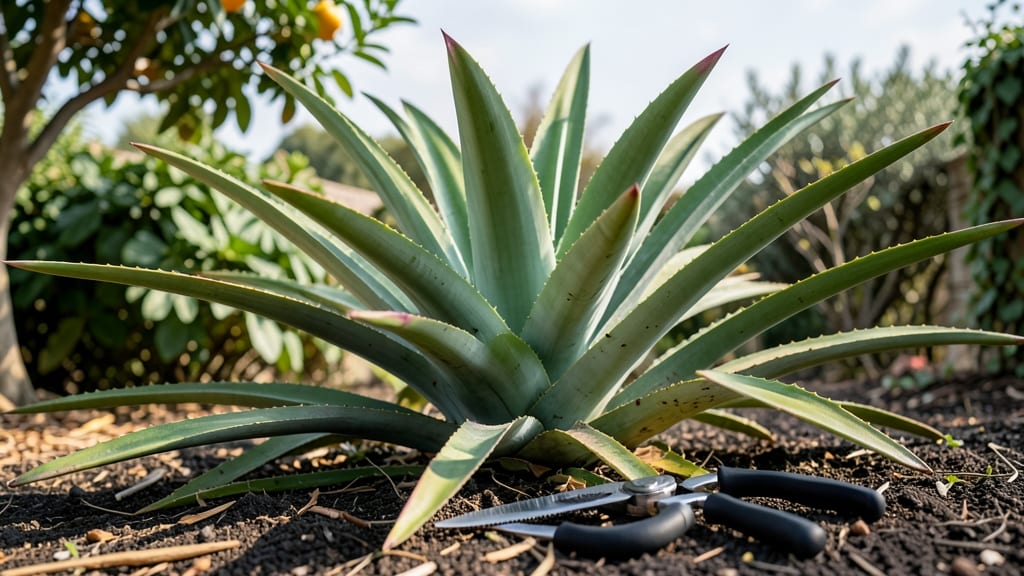
Trimming pineapple plants isn’t just about keeping them tidy—it’s the secret to getting those year-round blooms and more fruit. 🌱 I’ve learned the hard way that skipping this step means fewer flowers and weaker plants, but with just three strategic cuts, you can transform a leggy pineapple into a productive powerhouse.
The right tools and timing make all the difference. You’ll need sharp pruning shears, a clean cutting surface, and a little patience—this isn’t a rush job. After flowering or when you spot long, bare stems, those are your cues to act.
Most people wait too long, but early trimming keeps the plant compact and encourages new growth.
What you’ll end up with is a thriving pineapple plant that blooms reliably and produces offsets (baby plants) you can propagate. The trimmed parts even regrow into new plants if you root them, so nothing goes to waste.
Plus, the plant stays lush and green, not the scraggly mess you see in neglected ones.
Works for both indoor and outdoor pineapples, though outdoor plants handle trimming better in warmer months. Here’s exactly how to do it without killing your plant—and how to turn those cuttings into new starters.
📚 In This Guide
- What you need
- Instructions
- Tips and common mistakes
- Wrapping up and next steps
What you need
- ● Sharp pruning shears or bypass pruners – Choose sterilized, sharp tools (1 pair) to avoid damaging the plant or spreading disease.
- ● Disinfectant (70% isopropyl alcohol or diluted bleach) – For cleaning tools before and after trimming (small bottle or spray).
- ○ Garden gloves (optional but recommended) – To protect your hands from thorns (1 pair, cut-resistant if possible).
- ● Compost or mulch – For disposing of cuttings (small bag or bin).
- ● Watering can or hose with a gentle spray nozzle – To hydrate the plant post-trimming (1-2 gallons capacity).
- ● Rooting hormone (powder or gel) – To boost success if propagating cuttings (small jar).
- ● Small pots with drainage holes – For repurposing cuttings (2-3 pots, 4-6 inches deep).
- ● Pineapple fertilizer (balanced 10-10-10 or citrus-specific) – To encourage regrowth (small bag or liquid concentrate).
- ● Pruning saw (for thick stems) – If your plant has woody growth (1 small saw).
Step-by-Step guide to trimming pineapple plants for long-lasting blooms
Here’s how to keep your pineapple plant thriving with just three simple cuts—no fancy tools needed.
✂️ Step 1: Remove Yellow or Damaged Leaves
Start by inspecting your plant for leaves that have turned yellow, brown, or appear wilted. These are dead or dying and won’t contribute to growth. Grab a pair of clean, sharp scissors or pruning shears—dull tools can tear leaves, inviting pests or disease.
Snip each problematic leaf at its base, about ½ inch above the soil line. You’ll notice the plant’s center looks cleaner and more open after this. This isn’t just about looks—removing damaged leaves redirects the plant’s energy to healthier growth and potential flowering.
✂️ Step 2: Trim Overly Long or Leggy Leaves
If your pineapple plant’s leaves have stretched tall and thin (a sign of insufficient light), it’s time to trim them back. Focus on the longest leaves, cutting them back by about ⅓ of their length. This encourages bushier, stronger growth and helps the plant focus energy on producing a flower stalk.
Make your cuts just above a leaf node—where a new leaf or branch can grow. Avoid cutting into the main stem or the rosette (the circular cluster of leaves at the center). You’ll see new, shorter leaves emerging within a few weeks, signaling the plant is adjusting well.
🌱 Step 3: Encourage Flowering with a Strategic Cut
To trigger flowering, wait until your pineapple plant is mature (about 18-24 months old) and healthy. Look for a small, tight cluster of leaves in the center—this is where the flower stalk will emerge. Using a clean knife or scissors, make a deep, downward cut into the center of the rosette, about 1-2 inches deep.
This cut mimics natural stress signals that prompt flowering. Be gentle but firm—you’re not trying to remove leaves, just create a wound. Water the plant lightly after cutting to help it recover. Within 4-8 weeks, you should see a red or purple flower spike emerging from the center.
🌿 Step 4: Maintain After Trimming
After trimming, place your pineapple plant in a spot with bright, indirect light for a few days to recover. Avoid direct sunlight immediately, as the fresh cuts can be sensitive. Water the plant lightly—just enough to keep the soil slightly moist, not soggy.
Monitor the plant closely for the next few weeks. If new growth appears weak or yellow, it might need more light or less water. Once the plant stabilizes, return it to its usual bright, sunny spot (at least 6 hours of direct sunlight daily). This keeps the plant happy and ready for its next bloom cycle.
Tips & tricks for perfect pineapple plant trimming
Here's what nobody tells you about trimming pineapple plants that'll make all the difference in your plant's health and blooming success.
Tool Selection Matters: Don't just grab any scissors—use clean, sharp pruning shears or a knife specifically for plants. Dull tools crush leaf fibers, creating entry points for bacteria and pests. I've seen plants develop infections after using kitchen scissors, so invest in a small pair of pruning shears dedicated to your pineapple plant. Sterilize your tools with rubbing alcohol before each use to prevent cross-contamination between cuts.
The ½ Inch Rule is Critical: When removing damaged leaves in Step 1, that ½ inch above the soil line isn't arbitrary—it prevents exposing the plant's vulnerable base to moisture and disease. Cut too close, and you risk creating a wound that won't heal properly. Cut too far away, and you're leaving stubs that can harbor pests. The perfect cut leaves a clean, slanted surface that dries quickly and heals naturally.
Timing Your Trims: The best time to trim is in the morning when the plant's moisture levels are at their lowest. This gives fresh cuts maximum time to dry and heal before evening humidity sets in. I've noticed my plants recover faster when trimmed in morning light—new growth appears within days rather than weeks. Avoid trimming after heavy watering or during rainy periods when cuts take longer to heal.
Flowering Trigger Secrets: For that strategic cut in Step 3, aim for a clean, vertical cut about 1-2 inches deep—think of it like making a clean slice into a pie crust. The depth matters because it creates enough stress to trigger flowering without damaging the plant's core. I've found that making this cut on a mature plant (18-24 months old) during the warmest part of summer gives the best results, with flower spikes appearing within 4-8 weeks.
Pro Tips for Trimming Pineapple Plant
- Here's what nobody tells you about trimming pineapple plants that'll make all the difference in your plant's health and blooming success.
- Tool Selection Matters: Don't just grab any scissors—use clean, sharp pruning shears or a knife specifically for plants.
- The ½ Inch Rule is Critical: When removing damaged leaves in Step 1, that ½ inch above the soil line isn't arbitrary—it prevents exposing the plant's vulnerable base to moisture and disease.
Frequently asked questions
Got questions about trimming your pineapple plant? You’re not alone! Here are some of the most common queries—and their straightforward answers—to keep your plant thriving and fruiting.
When is the best time to trim a pineapple plant?
Trim your pineapple plant after it produces fruit, ideally 2–3 months post-harvest. This timing allows the plant to recover before regrowing. Avoid trimming during flowering or fruiting—focus on healthy leaves instead! For year-round blooms, trim again in late summer or early fall.
How do I know which leaves to cut?
Remove only the oldest, yellowing, or damaged leaves at the base of the plant. Aim for about one-third of the plant’s height—never trim more than 30% at once. Healthy, green leaves should remain to support photosynthesis and regrowth.
Can I propagate my pineapple plant after trimming?
After trimming, the leftover crown (the top 1–2 inches of the plant) can be used for propagation. Let it dry for 1–2 days, then plant it in well-draining soil. Keep it warm and humid until roots form—usually in 4–6 weeks.
What if my pineapple plant turns brown or dies after trimming?
Brown or dying leaves can signal over-trimming or stress. If you’ve cut too much, reduce watering and place the plant in bright, indirect light. Avoid fertilizing until new growth appears. If only a few leaves brown, it’s likely natural aging—just remove them.
Do I need special tools to trim my pineapple plant?
Nope! A clean, sharp pair of pruning shears or scissors works perfectly. Sterilize your tools with rubbing alcohol to prevent disease. Avoid dull tools—they can crush leaves, inviting pests or infections.
Still unsure? Drop your question in the comments—we’re happy to help your pineapple plant stay happy and productive!
Wrapping up and next steps
Trimming your pineapple plant isn’t just about keeping it tidy—it’s the secret to lush growth, vibrant blooms, and bountiful fruit! 🌱 By mastering the three strategic cuts (removing dead leaves, pruning suckers, and trimming the crown), you’ll encourage healthier plants and even more delicious harvests.
Whether you’re a beginner or a seasoned gardener, these simple steps make maintenance a breeze.
Now that you’re armed with the know-how, roll up your sleeves and give your pineapple plant the care it deserves! Start with one small trim today—your future harvest will thank you. And if you’re eager to expand your tropical garden, explore growing pineapple from the top next!