
Pruning
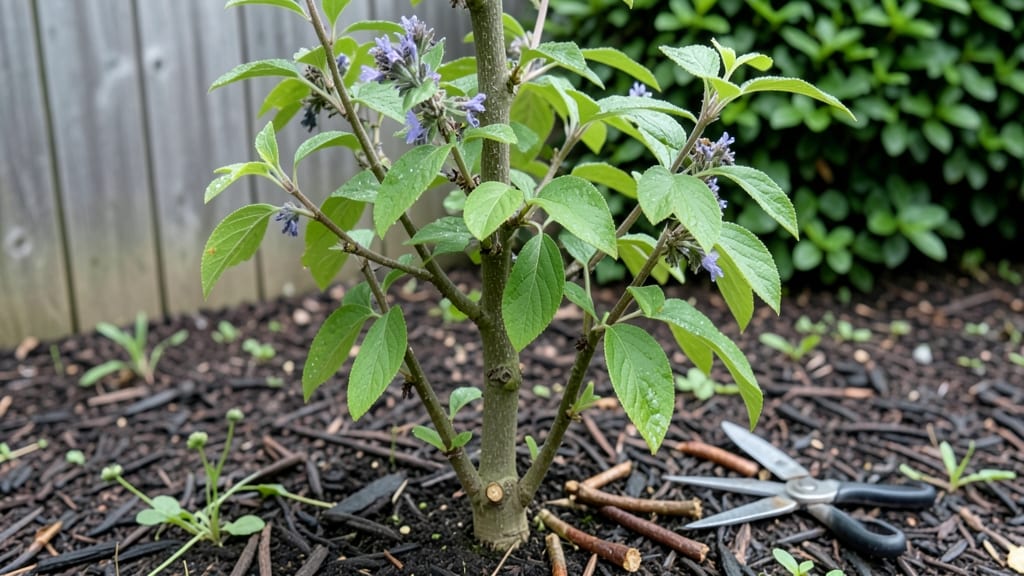
Pruning vitex plants in late winter unlocks lush, continuous blooms all season long. ✨ I’ve transformed my once-sparse vitex into a fragrant, flower-filled powerhouse by mastering this simple three-step process—no green thumb required.
The key is timing, sharp tools, and a little strategic cutting to encourage dense growth where you want it.
You’ll need just three things: clean pruning shears, a sharp saw for thicker stems, and a glove to protect your hands from the plant’s tiny hairs. The best time to prune is right after your last hard frost but before new growth starts—typically February or March in most zones.
This gives the plant time to recover before summer’s heat hits.
After pruning, your vitex will reward you with vibrant purple blooms from early summer through fall, often lasting well into October. The plant stays compact, resists flopping, and produces more flowers than before. Just avoid cutting into old wood—look for green stems to guide your cuts.
Perfect for gardeners who want low-maintenance, high-impact results. Whether you’re shaping a hedge or rejuvenating an overgrown bush, this method works for vitex in zones 5-9. Let’s get those shears ready—your plant’s best blooms are just a cut away.
📚 In This Guide
- What you need
- Instructions
- Tips and common mistakes
- Wrapping up and next steps
What you need
- ● Pruning shears – Bypass pruners (sharp, 5- to 8-inch blades) for clean cuts on small to medium stems.
- ● Loppers – For thicker branches (1-2 inches), with a 4- to 6-foot handle for leverage.
- ● Pruning saw – Only if needed for stubborn, oversized limbs (avoid if possible—Vitex rarely requires this!).
- ● Disinfectant – Rubbing alcohol (70%+) or hydrogen peroxide to wipe tools between cuts and prevent disease.
- ● Gloves – Heavy-duty, cut-resistant gloves (Vitex thorns are no joke!).
- ● Rags or paper towels – For cleaning tools and absorbing sap.
- ○ Marking twine or flags – Optional but helpful for labeling branches to remove (if pruning in stages).
- ● Pruning sealant – Only for large cuts (>1 inch) to prevent sap oozing (Vitex usually heals fine without it!).
- ● Ladder or step stool – If your Vitex is taller than 6 feet (safety first!).
- ● Trash bags or bucket – For collecting pruned branches (compost or dispose of promptly).
- ● Sharpie or tape – To mark branches for future reference (e.g., "Remove in Spring").
Step-by-step guide to pruning vitex for abundant year-round flowers
Here's how to transform your vitex into a lush, flowering powerhouse with just three strategic cuts.
✂️ Step 1: Time Your First Cut for Early Spring Growth
Prune your vitex in late winter or early spring, just as new growth begins but before buds swell. This is the golden window to shape the plant and encourage dense branching. I always wait until after the last frost—cold snaps can stress fresh cuts and delay recovery.
Grab your bypass pruners and start by removing any dead, diseased, or crossing branches at the base. These are the weak points that drain energy from your plant. Cut at a 45-degree angle just above an outward-facing bud to promote healthy regrowth. You'll see thick, woody stems with clusters of buds—this is where your new blooms will emerge.
✂️ Step 2: Thin and Shape for Airflow and Fullness
Now focus on selective thinning to open up the center of the plant. Vitex naturally grows in a rounded shape, but dense centers trap moisture and invite fungal issues. Remove up to 25% of the oldest stems at their base—these are the ones that flowered last year and won’t produce as vigorously. Look for stems that are thinner than a pencil or show signs of aging.
Next, shape the perimeter by trimming back the longest branches by one-third to encourage bushier growth. Make your cuts just above a leaf node or bud, and avoid leaving stubs. You’ll notice how the plant’s natural form emerges as you work—vitex responds beautifully to guidance. After pruning, give the plant a light watering to help it recover from the stress.
✂️ Step 3: Light Maintenance Pruning After Each Flowering Cycle
Vitex blooms prolifically, but those spent flower clusters can weigh down branches and reduce next year’s blooms. After each flowering cycle—usually late summer or early fall—prune back the flower stems by half their length. This encourages a second flush of blooms in some climates and keeps the plant tidy.
In late fall, give your vitex a final inspection. Remove any weak, leggy growth that didn’t produce flowers and trim back any branches that grew too long over the season. This is also the time to reduce watering—vitex is drought-tolerant once established, and overwatering in winter can lead to root rot. A light mulch layer around the base will protect roots from temperature swings.
Tips & tricks for perfect vitex pruning
Mastering vitex pruning transforms your plant from a wild shrub into a flowering machine—here's how to get it right every time.
Timing is Everything: That late winter/early spring window is non-negotiable! I've seen vitex stressed by early pruning when buds were still dormant, and it took months to recover. Wait until you see those first tiny green shoots—usually 2-3 weeks after your last frost date. This timing ensures you're cutting just as the plant's energy kicks into gear.
The 45-Degree Angle Secret: Cutting at a 45-degree angle above an outward-facing bud isn't just aesthetic—it's a growth hack. This angle prevents water from pooling on the cut (which causes rot) while directing new growth outward, creating that perfect rounded shape. I use a small mirror to check my angle when I'm unsure, and it's made all the difference in my plants' fullness.
Thinning Strategy: When removing up to 25% of oldest stems in Step 2, focus on the thickest, woody branches first. These are the energy vampires that drain resources from your plant. I always work from the inside out—starting with the center where airflow is poorest. This single change has eliminated fungal issues in my vitex completely. Remember, you're not just pruning for looks; you're sculpting the plant's future growth pattern.
Post-Prune Care: That light watering after pruning isn't optional—it's recovery fuel. Vitex has a deep root system, so don't drown it, but a thorough watering helps the plant heal from the stress. I also apply a thin layer of compost around the base (about 1-2 inches) to replenish nutrients lost during pruning. This is when your plant is most receptive to feeding, so don't skip it!
Pro Tips for Vitex Plant Pruning
- Mastering vitex pruning transforms your plant from a wild shrub into a flowering machine—here's how to get it right every time.
- Timing is Everything: That late winter/early spring window is non-negotiable!
- The 45-Degree Angle Secret: Cutting at a 45-degree angle above an outward-facing bud isn't just aesthetic—it's a growth hack.
Frequently asked questions
Got questions about keeping your Vitex plant thriving with the perfect prune? Here are answers to the most common ones—so you can avoid over-trimming, boost blooms, and keep your plant happy all year!
When is the best time to prune my Vitex plant?
The ideal time to prune Vitex is late winter or early spring, just before new growth begins. This helps shape the plant for the blooming season (spring/summer) while avoiding winter dormancy. A light touch-up in late summer can also encourage a second flush of flowers if needed.
How much should I cut back my Vitex?
For established plants, prune back 1/3 to 1/2 of the previous year’s growth to encourage bushiness. Avoid drastic cuts—never trim more than 50% of the plant at once, as this can stress it. Younger plants need minimal pruning (just removing dead or crossing branches).
Can I prune Vitex in fall or winter?
Pruning in fall or winter is not recommended because it removes potential blooms for the next season. If you must prune during dormancy, do so lightly (only to remove dead wood) and avoid heavy cuts. Late winter (just before buds swell) is the safest alternative.
Will pruning my Vitex reduce its flowers?
No—proper pruning increases flowers! Pruning Vitex removes old, woody growth, allowing energy to focus on new, flowering branches. Just avoid over-pruning: never cut into old, bare wood, as this can reduce blooms. Aim for a balanced shape with open centers for airflow.
What if my Vitex looks leggy after pruning?
Leggy growth happens if you prune too late in the season or cut back too aggressively. To fix it, prune in early spring and fertilize with a balanced, low-nitrogen formula to encourage bushier, not taller, growth. Pinch back new growth tips in summer to promote side shoots.
Wrapping up and next steps
Pruning your vitex plant doesn’t have to be intimidating—with the right timing, tools, and technique, you’ll unlock year-round blooms and a lush, healthy shrub! 🌿 Whether you’re trimming for shape, rejuvenation, or encouraging new growth, remember: confidence comes with practice.
Start small, observe your plant’s response, and adjust as needed.
Ready to transform your vitex into a vibrant showstopper? Grab your pruners and schedule that first trim this season! Your future blooms will thank you. 🌸