
Planting
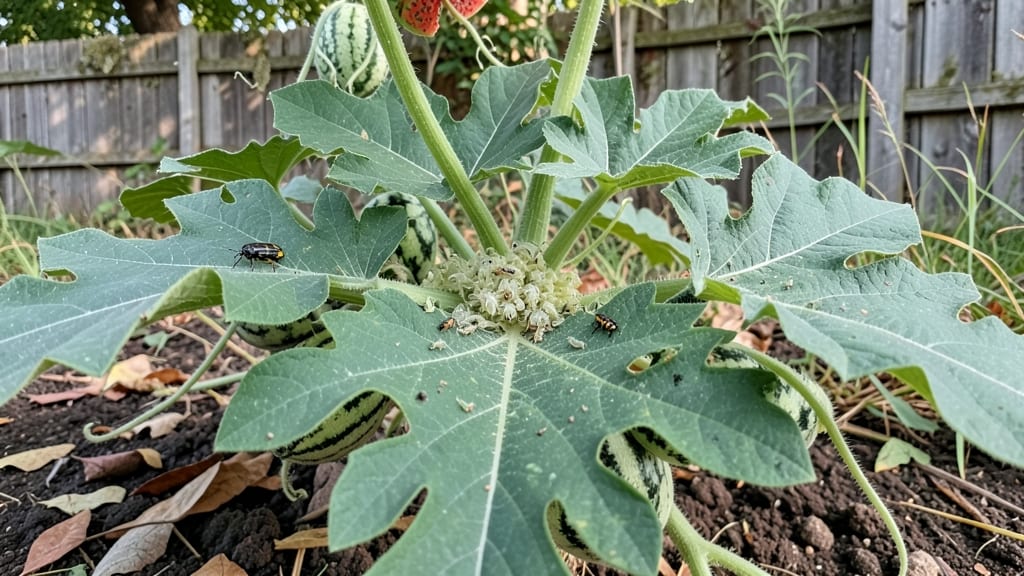
Watermelon plant pests can turn your summer harvest into a disappointment before you even taste that first slice. 🌱 I’ve watched cucumber beetles skeletonize leaves and aphids turn vines sticky overnight—until I learned the early warning signs and how to stop them organically.
The key is catching problems before they spread, and once you recognize the patterns, it’s easier than you think.
Most watermelon pests—like striped cucumber beetles, spider mites, or powdery mildew—leave distinct clues if you know what to look for. Beetles chew jagged edges, mites create fine webbing, and mildew starts as white dust on leaves.
The good news? These issues respond well to simple fixes like neem oil sprays, reflective mulch, or even a strong blast of water for aphids. No harsh chemicals needed.
By the time you spot the first signs, you’ll already be ahead of the game. Healthy plants with proper spacing and good air circulation fight off pests better, and a few preventive sprays at planting time can save your crop.
Think of it like armor for your vines—once they’re protected, you’ll harvest sweeter, cleaner fruit all season long.
Whether you’re dealing with a sudden outbreak or just want to stay proactive, these organic methods work for any watermelon patch. The goal isn’t perfection—it’s keeping your plants strong enough to outlast the bugs. Let’s get your vines thriving before the pests even show up.
Root Causes Of Watermelon Attacks
Watermelon plants are like all-you-can-eat buffets for pests—juicy, tender, and packed with nutrients. But why do these critters suddenly show up and wreak havoc? The answer lies in a mix of environmental stress, plant vulnerability, and pest behavior. Understanding these triggers helps you outsmart invaders before they strike.
Pests thrive when plants are weakened, and extreme weather is a top culprit. Watermelons are sensitive to:
- Heatwaves & Drought: When soil dries out, roots struggle to absorb water, leaving plants dehydrated and nutrient-deficient. Stressed plants emit volatile organic compounds (VOCs) that act like dinner bells for pests like aphids and spider mites—they’re drawn to the scent of distress.
- Excessive Moisture: Overwatered soil creates the perfect breeding ground for fungal diseases (like powdery mildew) and soil-borne pests like root-knot nematodes. Soggy roots = easy entry for these microscopic invaders.
- Temperature Swings: Sudden cold snaps or late frosts shock plants, disrupting their natural defenses. Pests like cucumber beetles seize the opportunity to munch on tender new growth.
💡 Pro Tip: Use mulch to regulate soil temperature and moisture—this keeps roots stable and pests at bay.
A healthy watermelon plant is like a bouncer at a club—it repels pests before they get in. But when plants are malnourished or diseased, their guard drops. Common weaknesses include:
- Nutrient Deficiencies: Low nitrogen (N) weakens foliage, making it easier for pests like squash bugs to pierce leaves. Yellowing leaves = an open invitation.
- Overcrowding: Plants competing for sunlight and space grow slowly and spindly, creating shaded, humid microclimates where fungal pests (like downy mildew) and soft-bodied insects (like whiteflies) flourish.
- Disease History: If your garden had powdery mildew or bacterial wilt last season, spores or pathogens linger in the soil. New plants inherit the problem unless you rotate crops or sterilize beds.
🎯 Action Step: Test your soil and amend it with compost before planting. A balanced diet = a stronger immune system for your melons.
Many pests don’t just randomly attack watermelons—they follow a schedule. Understanding their life cycles helps you predict and prevent outbreaks:
| Pest | Peak Season | Why They Strike |
|---|---|---|
| Aphids | Spring to early summer | They hitchhike on wind or insects and target new shoots because they’re soft and sap-rich. |
| Cucumber Beetles | Late spring to summer | Adults emerge when soil warms to 60°F+ and lay eggs near plant bases. Larvae chew roots while adults transmit viruses. |
| Spider Mites | Hot, dry summers | They thrive in drought conditions and multiply rapidly on undersides of leaves where humidity is trapped. |
| Root-Knot Nematodes | Year-round (soil-borne) | These microscopic worms penetrate roots when soil temps hit 70°F+, causing galls that strangle nutrient uptake. |
⏰ Prevention Hack: Monitor your garden weekly during peak pest seasons. Early detection = easier control.
Sometimes, we accidentally invite pests to the party. Common garden mistakes that attract trouble:
- Ignoring Weeds: Weeds harbor pests and diseases. Aphids on dandelions will migrate to watermelons when food runs low.
- Over-Fertilizing: Too much synthetic nitrogen promotes lush, soft growth that pests love. Slow-release organic fertilizers are safer.
- Skipping Rotation: Planting watermelons (or other cucurbits) in the same spot yearly lets soil pests build up. Rotate crops every 3 years.
- Using Infested Tools/Compost: Contaminated pruners or homemade compost can spread pathogens like bacterial wilt or fungal spores.
🔥 Quick Fix: Solarize soil in late summer (cover with clear plastic for 4–6 weeks) to kill nematodes and weed seeds before replanting.
Quick Fixes for Watermelon Plant Pests
When pests invade your watermelon patch, acting fast is key to saving your harvest. Below are practical, organic solutions tailored to the most common troublemakers—plus prevention tips to keep your plants thriving. No harsh chemicals needed!
Signs: Sticky residue (honeydew), curled leaves, or ants trailing nearby (they love aphids’ honeydew).
How to Treat It: 🔥 Blast Them Off – Use a strong stream of water from your hose to knock aphids off leaves. Repeat every 2–3 days. 🍳 Soapy Spray – Mix 1 tbsp mild dish soap + 1 quart water in a spray bottle. Test on a small leaf first—aphids will dissolve in minutes! 👨🍳 Neem Oil Solution – Combine 1 tsp neem oil + 1 tsp castile soap + 1 quart water. Spray undersides of leaves (where aphids hide) at dusk to avoid harming bees.
Prevent Them: ✨ Plant Companion Crops – Marigolds and nasturtiums repel aphids naturally. 🌡️ Encourage Ladybugs – These beneficial bugs eat aphids! Plant dill or fennel to attract them.
Signs: Jagged holes in leaves, yellowing vines, or tiny black/white beetles zipping away.
How to Treat It: 🔪 Handpick & Drop – Wear gloves and crush beetles into soapy water (they’re slippery!). 🥘 Diatomaceous Earth – Sprinkle food-grade DE around the base of plants (reapply after rain). 🎯 Yellow Sticky Traps – Hang yellow cards coated in petroleum jelly near the patch to lure beetles away.
Prevent Them: 💡 Row Covers Early – Use floating row covers when plants are young (remove at flowering). 🌱 Crop Rotation – Avoid planting cucurbits (watermelons, cucumbers) in the same spot yearly.
Signs: Fine webbing on leaves, stippled (speckled) foliage, or leaves turning bronze.
How to Treat It: 🍳 Spray with Oil – Mix 1 tbsp horticultural oil + 1 tsp soap + 1 quart water. Spray both sides of leaves thoroughly. ⏰ Blast with Water – Mites hate humidity! Mist plants daily during outbreaks. 🌿 Release Predatory Mites – Buy Phytoseiulus persimilis (beneficial mites) from garden centers.
Prevent Them: 🔥 Keep Plants Hydrated – Dry conditions = mite heaven. Water deeply 2–3x/week. 🎯 Prune for Airflow – Crowded plants trap moisture and mites. Space vines properly.
Signs: Wilting vines, sawdust-like frass near stems, or holes in stems when split open.
How to Treat It: 🔪 Cut & Burn Infested Vines – If you spot larvae, prune the stem 2 inches below the damage and burn/dispose of it. 🥘 Dust with Diatomaceous Earth – Apply DE directly into stem holes to dehydrate larvae. 🌱 Collar Method – Wrap cardboard collars around stems at planting to block egg-laying.
Prevent Them: 💡 Use Reflective Mulch – Silver plastic mulch confuses borers (they avoid shiny surfaces). 🌡️ Plant Early – Borers emerge in late spring; get watermelons established before they arrive.
- Healthy Soil = Strong Plants – Amend soil with compost and worm castings to boost plant resilience.
- Rotate Crops – Never plant watermelons in the same spot two years in a row.
- Inspect Daily – Catch pests early with a 10-minute morning check under leaves and stems.
- Attract Beneficial Bugs – Plant basil, dill, or alyssum near watermelons to lure pest-eating insects.
Pro Tip: 🌿 Compost Tea Spray – Brew compost tea (steep compost in water for 24 hours, strain) and spray foliage weekly. It strengthens plants and deters pests naturally!
With these targeted fixes, your watermelon patch can bounce back—and stay pest-free for a bountiful harvest. 🍉✨
Frequently asked questions
What are the first signs my watermelon plants have pests?
Look for chewed leaves (especially jagged edges), sticky residue (aphid honeydew), or fine webbing (spider mites). Early clues include yellowing foliage, wilting vines, or tiny black beetles zipping away when you disturb the plants. Check leaf undersides daily—they’re prime hiding spots for pests.
Can I use neem oil on watermelon plants during fruit development?
Yes, but apply it early in the day and avoid spraying directly on flowers or fruit when they’re forming. Neem oil works best as a preventive spray on leaves before pests appear. Always test a small area first—some plants may react sensitively to the oil.
How do I keep squash bugs from destroying my watermelon patch?
Start with yellow sticky traps to catch adults, then use row covers for young plants. Handpick eggs (tiny white ovals) from leaf undersides and crush them. For established infestations, spray with kaolin clay or soapy water—it disrupts their feeding without harming the plants.
Will companion planting really work against watermelon pests?
Plant marigolds (repel nematodes), basil (deters whiteflies), or nasturtiums (confuses aphids) near your watermelons. These companions release natural chemicals that mask the scent of your melons, making them less appealing to pests while attracting beneficial insects like ladybugs and lacewings.
What’s the best way to sterilize soil before planting watermelons?
Use solarization in late summer: cover bare soil with clear plastic for 4–6 weeks during hot weather. The trapped heat kills nematodes, weed seeds, and fungal spores. For quicker results, mix in composted manure or apply beneficial nematodes (like Steinernema carpocapsae) to the soil before planting.