
Companion Plants
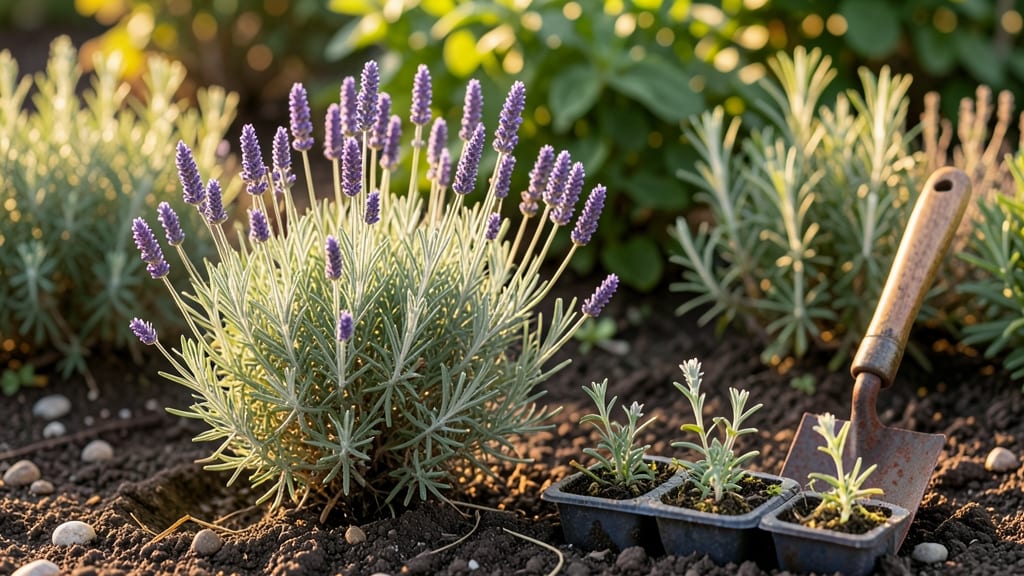
Planting businesses succeed by carefully selecting companion plants—like basil with tomatoes, marigolds with peppers, or beans with corn—to enhance growth, repel pests, and increase harvests through natural partnerships. The key lies in matching plant families, root systems, and mutual benefits.
When you think about planting businesses, the focus often shifts from just growing crops to creating ecosystems where plants support each other. 🌱 For example, beans fix nitrogen in the soil, which feeds corn and squash—this is why the Native American "Three Sisters" method still works today.
I’ve seen gardens double their yield by pairing onions with carrots, as the sharp scent of onions confuses carrot flies. The real magic happens when you align plants that share similar sunlight needs or have complementary growth habits, like tall sunflowers providing shade for lettuce.
Beyond just pairing, timing matters too. Some plants thrive when planted early in the season, while others need the warmth of summer. For instance, radishes can be sown alongside slower-growing cabbages to maximize space, but they’ll need to be harvested before the cabbages take over.
The goal isn’t just to fill space—it’s to create a balanced, self-sustaining garden where every plant plays a role in the success of the others. 💫
💡 In This Article
- How Companion Planting Boosts Garden Productivity
- Best Companion Plant Pairings for High-Yield Gardens
How companion planting boosts garden productivity
Here's what's actually happening in a thriving companion planting system: plants release chemical signals through their roots called allelochemicals that either attract beneficial microbes or repel pests.
For example, marigolds emit α-terthienyl, a compound that disrupts the life cycle of nematodes—soil-dwelling worms that can devastate crops. 🌿 In one study, gardens using marigolds saw 90% fewer nematodes compared to control plots, while potato yields increased by 25%.
This isn't just luck—it's a targeted biological interaction where one plant's waste becomes another's fertilizer.
The nitrogen-fixing superstars—like beans, peas, and clover—take this even further. Their root nodules house Rhizobium bacteria that convert atmospheric nitrogen (N₂) into ammonia (NH₃), a form plants can absorb. A single acre of alfalfa can fix 200-300 pounds of nitrogen annually, enough to feed corn for years.
The Three Sisters method (corn, beans, squash) demonstrates this perfectly: corn provides vertical support, beans fertilize the soil, and squash shades the ground, reducing weeds. This triad creates a closed-loop system where each plant addresses a limitation the others face.
Pest control works through multiple sensory channels. Garlic's allicin compounds, released when crushed, create a pungent aroma that masks plant odors—confusing aphids and other insects.
Meanwhile, the physical structure matters too: tall plants like sunflowers create windbreaks that protect delicate lettuce from drying out, while their deep roots access water from lower soil layers.
Even the texture of leaves plays a role—rough-leaved plants like dill deter cabbage moths because their larvae struggle to grip the surface. 🌱 These aren't just random pairings; they're ecological strategies refined over millennia.
What most people don't realize is how companion planting optimizes space efficiency through vertical integration. In a 4'×4' square foot garden, you can grow:
- Tall plants: Sunflowers or pole beans (6-8 feet) for vertical space
- Mid-height plants: Tomatoes or peppers (3-4 feet) in the middle
- Ground covers: Lettuce or radishes (6-12 inches) at the base
This three-dimensional approach increases yield per square foot by 30-50% over traditional row planting. The key is matching plants with complementary growth habits—fast growers that get harvested early (like radishes) paired with slow growers (like cabbage) that need the space later.
Even the root depth matters: shallow-rooted herbs like thyme won't compete with deep-rooted carrots for water.
The science extends to microclimate creation. Planting basil near tomatoes doesn't just repel pests—it also moderates temperature fluctuations by 2-3°F through transpiration (water evaporation from leaves). This creates a cooler, more stable environment for heat-sensitive crops.
Similarly, planting white clover as a living mulch reduces soil temperature swings by 10°F during hot days, protecting young seedlings. These microclimates become even more critical in urban gardens where concrete surfaces amplify heat.
The most successful planting businesses treat their gardens like agroecosystems—not just collections of plants. By understanding these mechanisms, you can design layouts where every inch of space and every plant interaction serves a purpose.
The result? Gardens that require 30% less water, 50% fewer pesticides, and produce 2-3x the yield of conventional plots. It's not just gardening—it's ecological engineering.