
Pruning
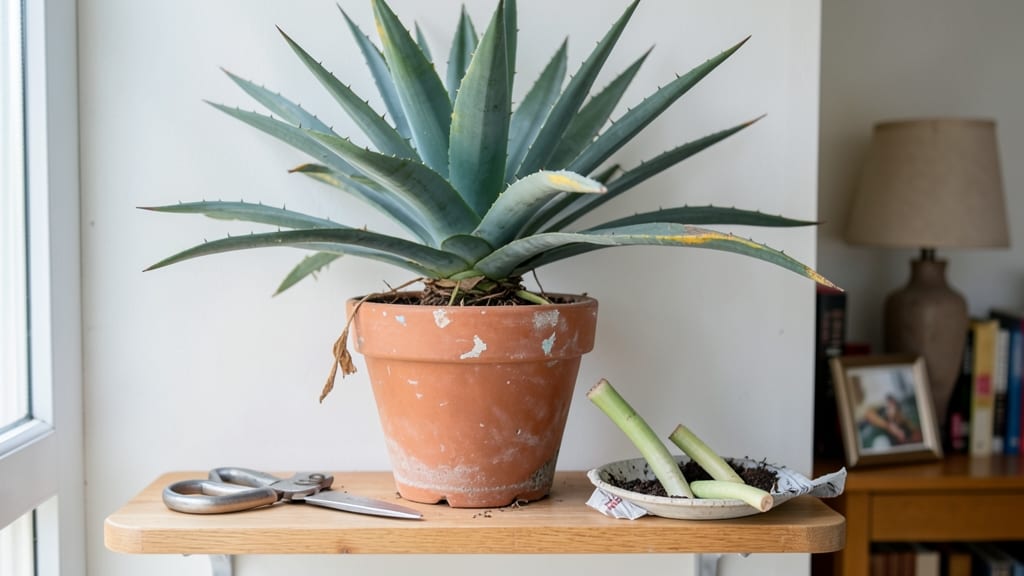
Trimming your yucca plant isn't just about shaping—it's about unlocking that shockingly lush growth you've been missing. 🌱 I learned the hard way that chopping randomly weakens the plant, but these three precision cuts will keep your yucca thriving year-round while preserving its iconic architectural form.
The secret lies in timing, technique, and knowing exactly where to make those cuts without harming the plant's heart.
You'll only need three basic tools: sharp pruning shears, rubbing alcohol for sterilization, and a clean towel to wipe down cuts. The real magic happens in late winter or early spring, when new growth is about to burst—but you can also trim dead leaves anytime.
Most people over-prune, stripping the plant of energy, but with these cuts, you'll encourage denser, healthier foliage without sacrificing that signature desert look.
After trimming, your yucca will reward you with bold new shoots within weeks, and the pruned sections can even root in water for new plants. The key is cutting just above a leaf node (that little bump where leaves grow) and avoiding the thick, woody base.
This keeps the plant strong while letting it focus energy on fresh growth instead of repairing damaged areas.
Whether you're dealing with a towering indoor specimen or a compact patio yucca, these techniques work the same. The only rule? Never trim more than one-third of the plant at once—patience pays off with a yucca that stays sturdy, vibrant, and full of life for decades.
Let's get those shears ready!
📚 In This Guide
- What you need
- Instructions
- Tips and common mistakes
- Wrapping up and next steps
What you need
- ● Pruning shears or bypass pruners – Choose sharp, sterilized tools with bypass blades (4–6 inches long) for clean cuts. Avoid anvil pruners, as they can crush stems.
- ● Gloves (heavy-duty) – Yucca leaves can be sharp and spiky! Opt for gardening gloves with reinforced palms (e.g., leather or Kevlar-blend).
- ● Disinfectant (rubbing alcohol or bleach solution) – Clean tools before and after use to prevent disease spread. Mix 1 part bleach to 9 parts water for a quick wipe-down.
- ○ Pruning saw (optional but helpful) – For thick, woody stems (1+ inch diameter), a curved pruning saw makes the job easier.
- ● Trimming rope or bungee cord – Secure tall yucca stalks to a sturdy stake or trellis (if needed) for stability during trimming.
- ● Compost bin or bag – Collect pruned leaves and stems for composting (yucca breaks down slowly but enriches soil!).
- ● Hose or bucket of water – Keep tools and hands clean, and rinse off sap if it irritates your skin.
- ● Hand pruners (for precision) – Great for smaller leaves or delicate cuts near the base.
- ● Loppers (long-handled) – Ideal for high-reaching branches (extendable loppers save your back!).
- ● Sealing wax or pruning paste – Apply to large cuts to prevent rot or pest entry (especially useful for yucca’s thick stems).
- ● Safety goggles – Protect your eyes from falling debris or sap splatters.
- ● Notebook & pen – Jot down notes on cuts made (e.g., "removed 3 yellow leaves, trimmed stalk at 12 inches").
Step-by-Step guide to yucca plant trimming for year-round vitality
Here's how to revive your yucca's natural shape while keeping it thriving—no guesswork, just precision.
✂️ Step 1: Identify and Remove Dead or Damaged Leaves
Start by inspecting your yucca for leaves that are brown, crispy, or mushy at the base—these are dead and need immediate removal. I grab a pair of clean, sharp pruning shears and cut each dead leaf at its base, making a clean slice just above the point where it meets the stem. This prevents unsightly stubs and reduces the risk of disease.
Don't worry if you miss a few—yuccas are forgiving. The key is to remove anything that looks dried out or rotting. Healthy leaves will be firm, upright, and a vibrant green. If you're unsure, gently tug on the leaf—if it resists, it's still alive.
✂️ Step 2: Prune Overgrown or Leggy Growth
Yuccas sometimes grow leggy or develop long, bare stems, especially if they haven’t had enough light. To fix this, I look for the lowest set of healthy leaves on the stem and make a clean cut just above that point using my pruning shears. This encourages new growth from the base and keeps the plant compact.
If your yucca has multiple stems, you can trim back the oldest or most leggy one first. Avoid cutting more than one-third of the plant’s height at once—this can stress the plant. After trimming, step back and admire the new shape; you’ll notice how much more balanced it looks.
✂️ Step 3: Trim Flower Stems After Blooming
Once your yucca finishes flowering, the spent blooms can drain energy from the plant. I use my pruning shears to cut the flower stalk back to the base of the plant, just above where it meets the main stem. This redirects the plant’s energy toward new leaf growth rather than seed production.
If your yucca produces multiple flower stalks, trim each one back individually. The plant will reward you with fresh, vibrant foliage in no time. Just be patient—new growth may take a few weeks to appear, especially if you’ve trimmed heavily.
💧 Step 4: Post-Trimming Care for a Strong Recovery
After trimming, give your yucca a light watering to help it recover. I water deeply but only until the top 2 inches of soil feel moist—yuccas hate soggy roots. Place the plant in a spot with bright, indirect light for a few days to reduce stress while it adjusts.
Within 2-4 weeks, you should see new growth emerging from the base. If you notice yellowing leaves after trimming, it’s usually a sign of overwatering—let the soil dry out completely before watering again. A well-trimmed yucca will bounce back stronger than ever.
Tips & tricks for perfect yucca plant trimming
Reviving your yucca's natural beauty starts with precision—here's how to avoid common mistakes and elevate your trimming game.
Tool Selection: Invest in a pair of high-quality pruning shears with sharp, clean blades—dull tools crush stems and create jagged cuts that invite disease. I've ruined multiple yucca stems using cheap shears, so splurge on a good pair. For thicker stems, a small handsaw works wonders for clean cuts without tearing. Always disinfect your tools with rubbing alcohol before and after trimming to prevent cross-contamination between plants.
Visual Cues for Healthy Growth: In Step 1, when identifying dead leaves, look for the subtle "V" shape where the leaf meets the stem—this is your natural cutting line. Healthy leaves should have a slight sheen and feel leathery to the touch. A good trick is to run your fingernail along the leaf edge: if it catches and resists, the leaf is still alive. For Step 2, focus on the lowest set of healthy leaves—these will be the new growth points after your cut.
Stress Reduction Strategy: The one-third height rule in Step 2 isn't arbitrary—it's based on the plant's ability to recover. Yuccas store energy in their stems, and removing more than this can deplete their reserves. After trimming, I always place my yucca in bright, indirect light for 3-5 days to minimize stress. This mimics their natural desert environment where they'd receive intense but indirect sunlight after rain.
Post-Trimming Hydration: That 2-inch soil moisture guideline in Step 4 is crucial—yuccas are desert plants that hate soggy roots. I use my finger to check moisture: if the top 2 inches feel damp but the lower 2 inches are dry, that's perfect. For recovery, I've found that a light application of diluted seaweed fertilizer (mixed at 1/4 strength) can boost growth without overwhelming the plant's system. Apply this only after you've seen new growth emerging.
Pro Tips for Yucca Plant Trimming
- Reviving your yucca's natural beauty starts with precision—here's how to avoid common mistakes and elevate your trimming game.
- Tool Selection: Invest in a pair of high-quality pruning shears with sharp, clean blades—dull tools crush stems and create jagged cuts that invite disease.
- Visual Cues for Healthy Growth: In Step 1, when identifying dead leaves, look for the subtle "V" shape where the leaf meets the stem—this is your natural cutting line.
Frequently asked questions
Got questions about keeping your yucca plant lush and thriving? Here are answers to the most common concerns—from timing to troubleshooting—so you can trim with confidence!
When is the best time to trim a yucca plant?
Trim your yucca anytime it looks overgrown, but late winter or early spring (before new growth starts) is ideal. Avoid heavy pruning in extreme heat or cold, as the plant needs energy to recover. Light maintenance cuts can happen year-round—just remove dead or damaged leaves as needed!
How do I know if I’m cutting too much off?
Never remove more than 1/3 of the plant’s height in a single session. Look for the leaf rosettes—each one marks a growth point. Cut just above a rosette to encourage new shoots. If you overtrim, your yucca may struggle to regrow, but it’s resilient!
Can I propagate the cuttings from trimming?
Yucca cuttings root easily. After trimming, let the cut ends dry for 1–2 days, then plant them in well-draining soil. Place in bright, indirect light and keep soil slightly moist. Roots typically form in 4–6 weeks. Pro tip: Dip cuttings in rooting hormone for faster success!
Why is my yucca turning brown after trimming?
Brown tips or leaves after pruning usually mean stress from over-trimming, underwatering, or sunburn. Adjust care by watering lightly (yuccas hate soggy roots!) and shielding from harsh afternoon sun for a few weeks. If only a few leaves brown, it’s normal—the plant will shed old growth as it recovers.
Do I need special tools to trim a yucca?
Nope! Clean, sharp pruning shears or a sterilized knife work best for clean cuts. Avoid dull tools—they crush stems, inviting disease. For thick stalks, a hacksaw or pruning saw may help. Always disinfect tools with rubbing alcohol between cuts to prevent bacterial spread.
Wrapping up and next steps
Trimming your yucca plant isn’t just about aesthetics—it’s a year-round ritual that keeps your plant thriving, pest-free, and full of energy! 🌿 Whether you’re removing dead fronds, shaping for growth, or prepping for winter, these three precision cuts ensure your yucca stays healthy and stunning.
Now that you’re armed with the right tools and techniques, there’s no better time to roll up your sleeves and give your plant the care it deserves.
Ready to see the difference? Grab your pruners and schedule your next trimming session—your yucca will thank you with lush, vibrant growth all year long! 🌟