
Planting
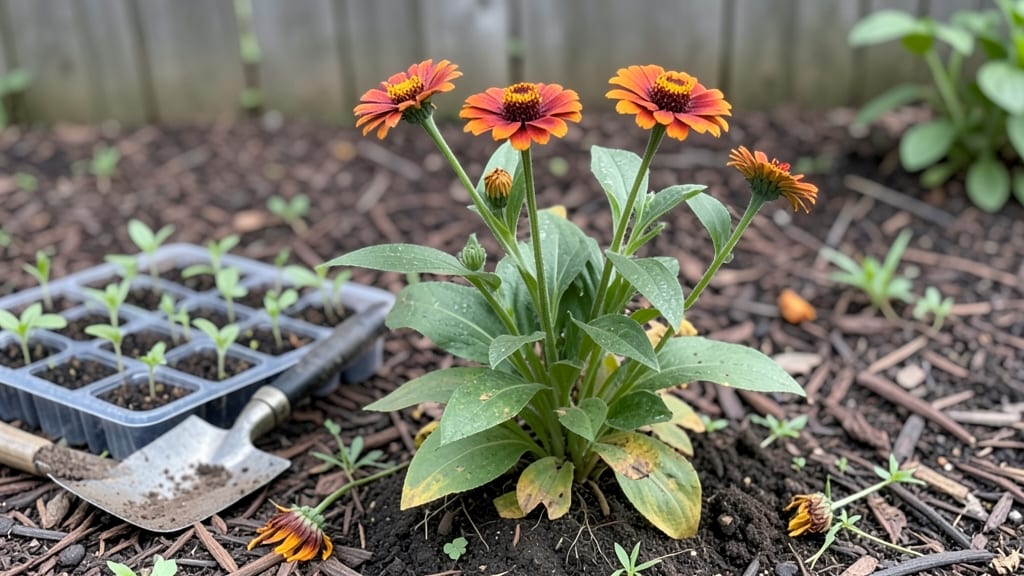
Here are my zinnia planting tips—because while growing these sun-lovers isn’t hard, mastering the basics ensures you’ll trade floppy stems for months of vibrant, carefree blooms. 🌻 get it right, and you’ll have cut flowers from July through frost.
The secret starts with full sun and loose soil—zinnias hate soggy roots. Scatter seeds ¼-inch deep, 6–12 inches apart, and water gently to avoid washing them away. For transplants, bury them deeper than the pot to encourage strong stems.
Deadhead spent blooms weekly to keep the flowers coming, and watch your garden turn into a pollinator paradise.
📚 In This Guide
- What you need
- Instructions
- Tips and common mistakes
- Wrapping up and next steps
What you need
- ● Zinnia seeds: Choose from heirloom or hybrid varieties (e.g., 'Benary’s Giant,' 'Profusion'). Buy 1-2 packets (50-100 seeds each) for a full-season display.
- ● Well-draining potting mix or garden soil: 5 gallons (for containers) or amend native soil with 2-3 inches of compost for in-ground planting.
- ○ Planting containers (optional): 5-6 inch pots (1 per plant) or a 5-gallon container (for 3-5 plants).
- ● Ensure containers have drainage holes to prevent root rot.
- ● Fertilizer: Balanced granular fertilizer (10-10-10) – 1 tbsp per plant at planting.
- ● Slow-release fertilizer (e.g., Osmocote) – 1 cup per 5 sq ft for long-term nourishment.
- ● Watering can or hose with a gentle spray nozzle.
- ● Garden trowel or transplanting spade.
- ● Sunlight: A spot with 6-8+ hours of full sun daily (zinnias are sun-worshippers!).
- ● Hardiness zone: Plant when soil temps are above 50°F (10°C)—ideal for Zones 3-11.
- ● Spacing: Direct-sow seeds: 6-12 inches apart (check seed packet for variety-specific needs).
- ● Transplants: 8-18 inches apart (taller varieties need more room).
- ○ Optional (but helpful!): Mulch (straw or shredded leaves) to retain moisture and suppress weeds.
- ● Plant supports (e.g., cage stakes) for tall varieties like 'State Fair.'
- ● Plant markers or labels to track varieties.
Step-by-Step instructions for planting zinnias
Here's how I grow zinnias that burst with color all season long—no fancy tricks, just proven techniques.
🌱 Step 1: Choose the Perfect Planting Spot
Zinnias thrive in full sun, so pick a location that gets at least 6-8 hours of direct sunlight daily. I always test my spot by watching how sunlight moves across the garden—morning sun is gentler, but afternoon sun gives zinnias their boldest blooms. Avoid areas where other plants cast long shadows after noon.
Check the soil by digging a small hole. If it feels compacted or hard, mix in some of the compost to loosen it up. Zinnias hate soggy roots, so if your soil drains poorly, raise the bed slightly or plant in containers with drainage holes. You'll know you've picked the right spot when the soil warms up in spring—zinnias love heat!
🌱 Step 2: Prepare the Soil for Healthy Growth
Work the top 6-8 inches of soil with a garden fork or trowel, breaking up any clumps. Zinnias don't need rich soil, but they do best in loose, well-draining dirt. If your soil is heavy clay, mix in a 1-inch layer of compost to improve drainage and fertility.
For container planting, fill pots with a mix of potting soil and perlite (half and half). This keeps roots aerated and prevents waterlogging. Sprinkle a slow-release fertilizer into the planting hole or mix it into the soil—zinnias are heavy feeders and reward good nutrition with bigger, brighter blooms.
🌱 Step 3: Plant Seeds or Transplants at the Right Time
Direct-sow seeds after the last frost when soil temperatures reach at least 60°F. I like to plant zinnias in late spring because they tolerate heat better than cooler weather. Press seeds ¼ inch deep—they need light to germinate, so don’t bury them too deeply. Space seeds 6-12 inches apart, depending on the variety (dwarf types need less space).
If using transplants, dig holes just as deep as the root ball and space them 12-18 inches apart for full-size varieties. Water the hole before placing the plant in, then firm the soil gently around the roots. This helps eliminate air pockets and encourages strong root growth. Avoid planting too early—zinnias won’t tolerate frost, and cold soil slows germination.
☀️ Step 4: Water and Maintain for Continuous Blooms
Water zinnias at the base 1 inch per week, keeping the soil consistently moist but never soggy. I water in the morning so the foliage dries quickly—this prevents fungal diseases like powdery mildew. Let the top inch of soil dry out between waterings, but don’t let plants wilt. Deep watering encourages strong roots, which means bigger, longer-lasting blooms.
Deadhead spent blooms regularly by pinching off faded flowers with your fingers or snipping with clean scissors. This tricks the plant into producing more blooms instead of going to seed. I do this every few days during peak bloom time—you’ll see a fresh flush of flowers within a week. Also, watch for pests like aphids; a strong spray of water usually knocks them off, but severe infestations may need neem oil treatment.
✂️ Step 5: Support and Prune for Strong Stems
Tall zinnias (like 'Benary’s Giant' or 'State Fair') often need staking to prevent flopping in wind or rain. Install stakes or cages at planting time so you don’t disturb roots later. I like to use tomato cages because they’re sturdy and let air circulate around the stems. Tie stems loosely to the support as they grow—zinnias are tough but can snap if bent too far.
Prune leggy stems by cutting back to a lower set of leaves. This encourages bushier growth and prevents the plant from becoming top-heavy. If zinnias get too woody or stop flowering by late summer, cut them back by half. Many varieties will rebloom if given enough warmth and water—it’s like hitting the reset button for a second round of color!
Tips & tricks for perfect zinnia planting
Here's what I've learned after growing zinnias for years—these little tricks make all the difference between average blooms and showstopping color.
The Sunlight Secret: In Step 1, when you're checking for 6-8 hours of sunlight, pay special attention to afternoon sun. Zinnias need that intense midday heat to develop their boldest colors. I've noticed that morning sun alone can produce paler blooms—it's like they're holding back without that afternoon boost! If your garden has afternoon shade, consider container planting where you can move pots to catch those golden hours.
Soil Prep Shortcut: For Step 2, if you're working with heavy clay soil, don't just add compost—mix in some coarse sand or perlite too. I've found that breaking up those 6-8 inches of soil works best when you add about 20% perlite by volume. This creates pockets for air and water while preventing compaction. The roots will thank you with stronger growth and more vibrant blooms.
Timing is Everything: That 60°F soil temperature in Step 3 is non-negotiable for germination. I've tried planting earlier when soil was only 55°F, and the seeds either rotted or took forever to sprout. Use a soil thermometer for a few days to confirm—it's worth the investment. Also, avoid planting when forecast calls for rain within 48 hours; wet soil can cause seed rot before they even have a chance to germinate.
Watering Wisdom: When following the 1 inch per week guideline in Step 4, remember that zinnias are drought-tolerant once established—but that doesn't mean you should neglect them. The key is deep watering at the base, not frequent light sprinkles. I've seen zinnias wilt dramatically after shallow watering, only to perk right up after a good soaking. Water in the morning so foliage dries quickly, preventing fungal issues that can ruin your blooms.
Pro Tips for Zinnia Planting Tips
- Here's what I've learned after growing zinnias for years—these little tricks make all the difference between average blooms and showstopping color.
- The Sunlight Secret: In Step 1, when you're checking for 6-8 hours of sunlight, pay special attention to afternoon sun.
- Soil Prep Shortcut: For Step 2, if you're working with heavy clay soil, don't just add compost—mix in some coarse sand or perlite too.
Frequently asked questions
Got questions about growing zinnias? You’re not alone! Here are answers to the most common queries—from timing to troubleshooting—to help your zinnias thrive with confidence.
When is the best time to plant zinnias?
Zinnias love warmth! Plant them after the last frost when soil temps hit at least 50°F (10°C). For cooler climates, start seeds indoors 6–8 weeks before the last frost or sow directly in spring. For a fall display, plant seeds in late summer (6–8 weeks before the first frost).
How long does it take for zinnias to bloom?
Zinnias are fast growers! From seed, expect blooms in 60–75 days (depending on variety). Transplants may flower in 4–6 weeks if given full sun and consistent water. Deadhead spent blooms to encourage nonstop color all season!
Why are my zinnias wilting or drooping?
Wilting zinnias often signal underwatering or overwatering. Check soil moisture—zinnias prefer consistently moist (not soggy) soil. If leaves yellow, it may be overwatering or poor drainage. For heat stress, water deeply in the morning to keep roots cool.
Are zinnias deer- or pest-resistant?
Zinnias are deer-resistant (deer usually avoid them!), but they can attract aphids, spider mites, or Japanese beetles. Combat pests with neem oil or insecticidal soap. For heavy beetle pressure, try early morning watering to deter them.
Can I grow zinnias in containers or small spaces?
Dwarf varieties like ‘Thumbelina’ or ‘Crystal’ thrive in containers (5+ inches deep). Use well-draining potting mix and place pots in full sun. Deadhead regularly to keep blooms compact. Just ensure containers have drainage holes to prevent root rot!
Wrapping up and next steps
With these zinnia planting tips, you’re all set to grow vibrant, sun-loving blooms that’ll steal the show in your garden! 🌻 Whether you’re a beginner or a seasoned gardener, zinnias thrive with the right care—so don’t hesitate to experiment with colors, heights, and varieties.
Now that you’ve got the know-how, grab your gloves, pick your favorite seeds, and get ready to transform your outdoor space into a burst of cheerful beauty.
Your next step? Start planting! Mark your calendar for the best planting window in your zone, and soon you’ll be enjoying those stunning, long-lasting blooms all season long. Happy gardening! 🌱