
Pruning
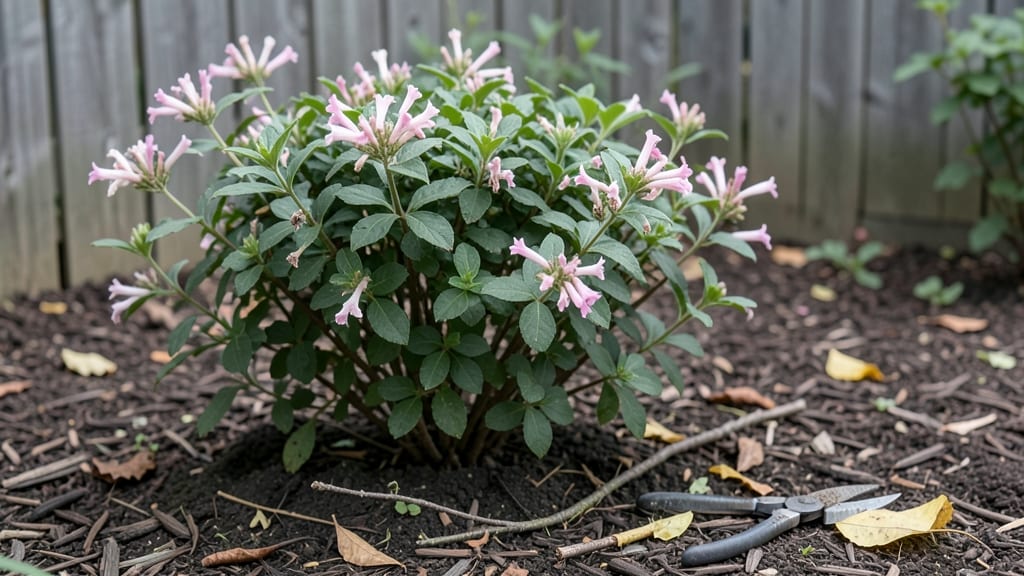
Abelia plant pruning isn’t just about shaping—it’s how you get those year-round blooms that make this shrub a standout in any garden. 🌿 I learned the hard way that skipping seasonal trims leads to leggy growth and fewer flowers, but once I mastered the four key cuts, my abelia became the most reliable bloomer in my yard.
The secret lies in timing: late winter, early summer, mid-summer, and a light touch in fall. Each trim serves a purpose—whether it’s encouraging fresh growth or tidying up after the previous season’s show.
The tools you’ll need are simple: sharp pruning shears, gloves, and maybe a small ladder if your abelia is tall. Start with clean cuts just above a leaf node or bud, and avoid leaving stubs—this keeps the plant healthy and encourages new growth.
For larger branches, use loppers to avoid tearing the bark. Most gardeners make one big mistake: over-pruning in spring, which can shock the plant. Instead, think of each trim as a conversation with your abelia, guiding it to grow the way you want.
What you’ll end up with is a shrub that blooms from spring through fall, with glossy leaves that stay vibrant even in winter. The first trim in late winter sets the stage for the season, while the mid-summer cut keeps it compact and flowering.
By fall, you’re just tidying up, ensuring next year’s growth starts strong. The payoff? A plant that looks intentional, not wild, with blooms that last longer than most shrubs.
This method works for both Abelia x grandiflora and Abelia chinensis, whether you’re dealing with a 3-foot shrub or a 6-foot hedge. The key is consistency—stick to the seasonal schedule, and your abelia will reward you with nearly nonstop color and a shape that’s easy to maintain.
Ready to transform your shrub from good to showstopping?
📚 In This Guide
- What you need
- Instructions
- Tips and common mistakes
- Wrapping up and next steps
What you need
- ● Pruning shears – Bypass pruners (sharp, 5-7 inch blades) for clean cuts on small stems.
- ● Loppers – Bypass or anvil type (8-12 inch handle) for thicker branches (½ inch and up).
- ● Hand pruners – For precision cuts on delicate stems (avoid dull tools!).
- ● Disinfectant – Rubbing alcohol (70% or higher) or bleach solution (1 part bleach to 9 parts water) to sterilize tools between cuts.
- ● Gloves – Garden gloves (nitrile or leather) to protect hands from thorns and sap.
- ● Pruning saw – Only if needed for very thick, woody stems (rare in Abelia).
- ○ Bucket or bag – For collecting pruned branches (optional but helpful for cleanup).
- ● Pruning sealant – For large cuts (like tree wound paint) to prevent disease entry.
- ● Marking twine or tape – To label branches for future reference (great for shaping).
- ● Knee pads or stool – For comfort if your Abelia is tall or ground-level pruning is needed.
- ● Spray bottle with water – To rinse tools between cuts and keep blades cool.
Step-by-step guide to pruning abelia for continuous blooms
This four-season approach keeps your abelia lush, flowering, and healthy year after year.
✂️ Step 1: Light Prune After Spring Blooms (Late April)
Once the spring flowers fade, cut back spent blooms by ⅓ to ½ of their length using clean, sharp pruners. This encourages fresh growth and prevents leggy stems. I always make cuts just above a leaf node or outward-facing bud—never leave stubs. The goal is to shape the plant while maintaining its natural form.
Remove any dead, crossing, or weak branches first. These compete with healthy growth and can invite disease. If you see water sprouts (thin, upright shoots), snip them at the base immediately. They drain energy from the main plant. After pruning, give your abelia a light drink of water to help it recover.
✂️ Step 2: Summer Maintenance Trim (July)
Mid-summer is all about shaping and controlling growth. Prune back any overlong branches by ¼ to ⅓ to maintain the plant’s compact shape. Focus on the outer edges to encourage bushiness. You’ll notice new growth flushing out after this trim—this is your abelia’s way of saying thank you.
If your plant looks top-heavy, cut back some of the taller stems to balance the shape. Avoid heavy pruning now—you don’t want to remove too many leaves, as abelias rely on foliage for energy. After trimming, I like to apply a slow-release fertilizer to support the new growth.
✂️ Step 3: Fall Cleanup Before Dormancy (October)
As temperatures drop, prune back any dead or diseased branches completely. Cut back ⅓ of the oldest stems to the ground to rejuvenate the plant and encourage fresh growth in spring. This is also the time to remove any suckers or unwanted shoots growing at the base.
Shape the plant lightly to prepare for winter. Avoid heavy pruning now—you want to leave enough foliage to protect the plant’s center from harsh winds. After trimming, I add a 2-inch layer of mulch around the base to insulate the roots and retain moisture.
✂️ Step 4: Minimal Winter Prune (February)
In late winter, just before new growth begins, do a final light prune. Remove any dead, broken, or crossing branches. Cut back any stems that look weak or overcrowded. This keeps the plant tidy and ready for spring. I never cut back more than 10% of the plant in winter—just enough to clean up.
Watch for the first signs of new growth—tiny green buds along the stems. This is your cue that the plant is waking up. Once you see these buds, hold off on any more pruning until spring. After this final trim, give your abelia a light watering to help it through the transition into the growing season.
Tips & tricks for pruning abelia like a pro
Pruning your abelia correctly can transform it from a straggly shrub into a blooming powerhouse. Here are the secrets I've learned after years of trial and error.
Tool Prep is Everything: Always use clean, sharp pruners—dull blades crush stems instead of making clean cuts. I sterilize my tools with rubbing alcohol between plants to prevent spreading disease. For larger branches, use loppers or a pruning saw. Never use hedge trimmers, as they tear the bark and damage the plant. Sharp tools make precise cuts that heal faster and encourage healthier growth.
Step 1: Look for the Right Cuts: When cutting back those spent spring blooms by ⅓ to ½, look for the outward-facing buds just above the leaf nodes. These buds will grow into new branches that maintain the plant's natural shape. If you cut too close to a bud, you'll end up with a bare spot. Think of it like giving your abelia a haircut—you want to follow the natural growth pattern, not hack at random.
Seasonal Pruning Strategy: The ⅓ rule is your best friend—never remove more than ⅓ of the plant's foliage in any single season. In fall, when you're cutting back ⅓ of the oldest stems, focus on the largest, most mature branches. This rejuvenation pruning prevents the plant from becoming overcrowded. Remember, abelias are resilient but not invincible—think of pruning as giving them a spa day rather than a haircut.
Aftercare Makes the Difference: That light drink of water after pruning isn't just symbolic—it helps the plant recover from the stress of cutting. For fall pruning, the 2-inch layer of mulch acts like a cozy blanket, protecting roots from winter temperature swings. I've seen abelias recover beautifully after proper pruning and care, while neglected ones struggle to bounce back.
Pro Tips for Abelia Plant Pruning
- Pruning your abelia correctly can transform it from a straggly shrub into a blooming powerhouse.
- Tool Prep is Everything: Always use clean, sharp pruners—dull blades crush stems instead of making clean cuts.
- Step 1: Look for the Right Cuts: When cutting back those spent spring blooms by ⅓ to ½, look for the outward-facing buds just above the leaf nodes.
Frequently asked questions
Got questions about keeping your Abelia looking its best? Here are some common ones—and their answers—to help you prune like a pro!
When is the best time to prune Abelia for maximum blooms?
Prune your Abelia in early spring (March–April) to encourage new growth and summer blooms. Light trims can also happen in late winter (before buds swell) or early fall (after blooming) to shape the plant. Avoid heavy pruning in late summer—it can reduce next year’s flowers!
Can I prune Abelia in winter? What about after a hard freeze?
Winter pruning is not recommended—it stresses the plant when it’s dormant. If branches die back after a freeze, wait until spring to prune. Dead or damaged wood is easy to spot then (it’s brown, not green). Trim just above a healthy bud or joint to encourage regrowth.
Will pruning Abelia too much reduce its flowers?
Yes! Heavy pruning (cutting back more than 1/3 of the plant) can temporarily reduce blooms since flowers form on current year’s growth. Stick to light to moderate trims (10–25%) in spring/fall, and avoid over-pruning leggy stems—it can lead to fewer (but bigger!) flowers.
What if my Abelia looks overgrown but won’t bloom? Am I doing it wrong?
Overgrown Abelia often blooms less because of shade or poor air circulation. Try thinning out dense areas (remove inner branches) to improve airflow and sunlight. Also, check if it’s getting 6+ hours of sun—partial shade can reduce flowering. A spring rejuvenation prune (cutting back 1/3 of oldest stems) can revive it!
Can I shape Abelia like a hedge? What tools should I use?
Use hand pruners for small trims and hedge shears for shaping. For a formal hedge, prune twice a year (spring and early fall) and keep cuts sharp and clean. Avoid pruning into rainy weather to prevent disease. Pro tip: Step back often to check symmetry!
Wrapping up and next steps
Mastering Abelia plant pruning is your ticket to a vibrant, year-round display of blooms and lush foliage! With just four seasonal trims—spring, summer, fall, and winter—you’ll keep your Abelia thriving, encourage healthy growth, and enjoy its stunning flowers every season. 🌸✂️
Ready to take the next step? Grab your pruners, review your notes, and schedule your first trim this weekend. Your Abelia will thank you with bold, beautiful blooms and a fuller shape—plus, you’ll gain confidence in your green thumb! Happy pruning!