
Pests
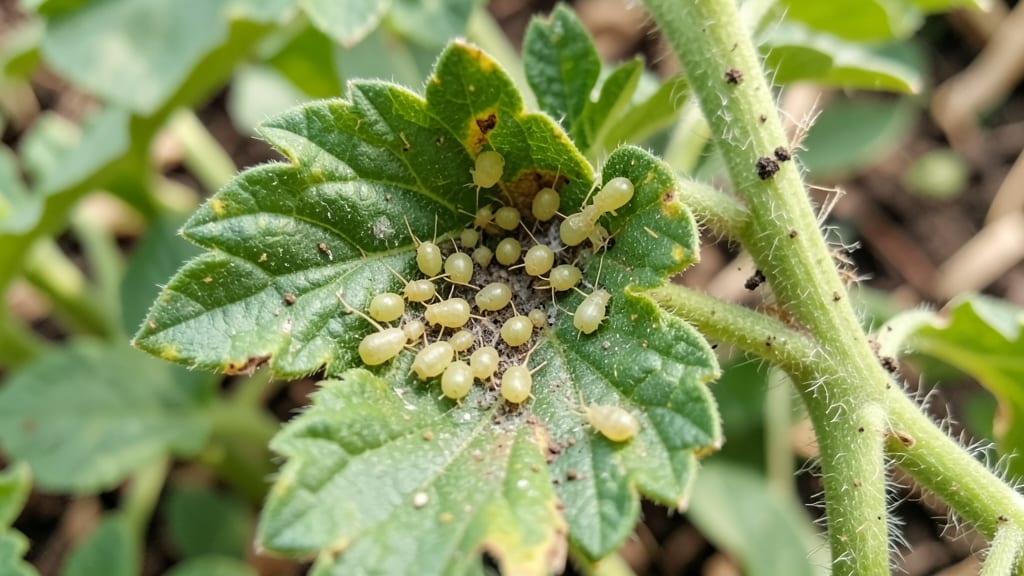
Spot these aphids on tomato plants in these images—here’s how to stop them before they ruin your stems. Those are aphids, and they multiply fast enough to drain your plants before you even notice.
I’ve battled these sap-sucking pests for years, and the first step is always spotting them early—before they turn your lush foliage into sticky, curled messes.
A quick look at the images in this guide will show you exactly what to watch for, from the telltale honeydew trails to the distorted new growth.
The good news is you don’t need harsh chemicals to win this fight. I’ve used simple sprays, soapy water, and even ladybugs to clear out infestations in under a week. The key is acting fast—aphids thrive in groups, but they’re surprisingly fragile once you know their weaknesses.
You’ll learn how to disrupt their life cycle without harming your tomatoes or the beneficial bugs that keep your garden balanced.
By the time you’re done, your tomato plants will bounce back with stronger stems and healthier leaves. The secret isn’t just killing the aphids—it’s creating an environment where they can’t return.
I’ll show you how to prevent future outbreaks with companion plants, proper pruning, and a few unexpected tricks that work better than store-bought sprays.
This works for both backyard gardens and container-grown tomatoes, no matter your experience level. Let’s get those plants thriving again—starting with the right tools and techniques to stop the spread.
Root Causes Of Tomato Aphids
Aphids don’t just randomly appear on your tomato plants—they’re drawn by specific conditions that make your garden a five-star buffet. Understanding these triggers is the first step to outsmarting them. Below, we break down the key reasons aphids invade tomato plants, backed by science and actionable insights.
Tomato plants packed too closely create perfect hiding spots for aphids. When foliage is dense, natural predators (like ladybugs or lacewings) struggle to patrol effectively, while aphids thrive in the shaded, humid microclimates between leaves.
Why it happens:
- Reduced airflow traps moisture, which aphids love (they prefer humidity levels above 60%).
- Stress signals from overcrowded plants emit volatile organic compounds (VOCs) that aphids detect as "food available" cues.
- Less sunlight penetration weakens plants, making them easier targets for sap-sucking pests.
Actionable fix:
- Prune tomato plants to open the canopy, allowing sunlight and air circulation.
- Space new plants 18–24 inches apart (or follow variety-specific guidelines).
- Use vertical trellises to elevate plants, reducing ground-level aphid access.
Healthy tomato plants naturally produce sticky resins (triterpenoids) that deter aphids. But when plants are stressed—from nutrient deficiencies, disease, or poor soil—their defenses drop, and aphids move in like uninvited guests.
Why it happens:
- Nitrogen deficiency (yellowing leaves) makes plants softer and sweeter, appealing to aphids.
- Over-fertilization with phosphorus (purple stems) can disrupt root health, weakening the plant’s ability to fend off pests.
- Fungal or bacterial infections (like early blight) create wounds that aphids exploit for feeding and breeding.
Actionable fix:
- Test soil pH (ideal: 6.0–6.8) and amend with compost or balanced fertilizer (10-10-10 or 5-5-5).
- Rotate crops annually to prevent soil-borne pathogens.
- Apply neem oil or kaolin clay as a preventive barrier to boost plant resilience.
Aphids are sap-sucking specialists, and they’re drawn to tomato plants with high sugar content—especially young, tender growth. Certain conditions make this sap irresistible:
Why it happens:
- New growth (like fresh leaves or flowers) has the highest sugar concentration, making it a prime aphid buffet.
- Overwatering dilutes soil nutrients but increases sap sweetness as the plant compensates by producing more sugars.
- Honeydew buildup (aphid waste) attracts ant colonies, which protect aphids in exchange for food—creating a mutualistic pest ecosystem.
Actionable fix:
- Pinch off new growth if aphids are already present to remove their favorite feeding spots.
- Water at the base (not overhead) to avoid wetting leaves, which can increase sugar leaching.
- Disrupt ant trails with diatomaceous earth or borax bait stations to break their aphid "protection racket."
Aphids are opportunistic hitchhikers. They often arrive on tomato plants via:
- Wind or water (from infested weeds or nearby crops).
- Insects (like ladybugs or bees, which accidentally transport aphid eggs).
- Contaminated tools or hands (moving aphids between plants).
Why it happens:
- Monoculture gardening (growing only tomatoes) creates a pest hotspot with no natural diversity to disrupt aphid life cycles.
- Weedy areas near tomato beds harbor alternate host plants (like dandelions or clover), where aphids breed before migrating.
- Seasonal migrations (e.g., aphids moving from perennials to annuals like tomatoes in spring).
Actionable fix:
- Inspect new plants before transplanting (quarantine for 2 weeks if possible).
- Remove weeds within a 10-foot radius of tomato beds to eliminate aphid breeding grounds.
- Plant companion crops like basil, marigolds, or garlic to repel aphids naturally.
Pro Tip: 💡 Early detection is key—check the undersides of leaves and new shoots weekly. Aphids multiply exponentially (a single female can produce 80 offspring in a week!), so acting fast saves your harvest.
Quick Fixes for Aphid-Infested Tomatoes
Aphids may seem like a tiny but relentless foe, but with the right strategies, you can reclaim your tomato plants in no time. Below are practical, step-by-step solutions tailored to the root causes of aphid infestations—whether it’s overcrowded plants, weak immunity, or environmental triggers.
Each fix is designed to be easy to implement and effective long-term.
Aphids love weak, crowded plants where they can hide and feed undisturbed. If your tomatoes are packed too closely or struggling from poor air circulation, aphids will move in like uninvited guests.
How to Fix It:
- 🌱 Prune aggressively: Trim away overgrown leaves, especially those touching neighboring plants. Focus on lower leaves where aphids cluster.
- 🌿 Space plants properly: Give tomatoes 18–24 inches of space between plants for airflow. Use stakes or cages if needed.
- 💧 Water at the base: Avoid overhead watering—it encourages fungal growth and makes aphids stickier. Water early in the day so foliage dries quickly.
💡 Pro Tip: If you’re growing in containers, repot crowded seedlings into larger pots immediately. Aphids won’t bother plants with room to thrive!
When aphids strike in waves, physical removal combined with natural predators can turn the tide fast.
How to Fix It:
- 👨🍳 Blast them off: Use a strong stream of water (from a hose) to knock aphids off leaves. Do this twice daily for 3–4 days to break their life cycle.
- 🕷️ Introduce predators: Ladybugs, lacewings, and parasitic wasps love aphids. Buy them online or attract them with neem oil-sprayed plants (aphids repel their natural enemies).
- 🍃 Neem oil spray: Mix 1 tsp neem oil + 1 tsp mild soap + 1 quart water, spray directly on aphids (avoid flowers to protect pollinators). Reapply every 5–7 days.
⚠️ Warning: Avoid chemical pesticides—they kill beneficial insects too! Stick to organic methods for long-term balance.
Aphids thrive in hot, dry conditions because stressed plants release more sugars, making them tastier. If your garden is a heat trap, aphids will exploit it.
How to Fix It:
- 🌿 Mulch heavily: Use straw or wood chips to retain moisture and cool soil. Keep mulch 2–3 inches thick around the base.
- 💦 Shade cloth: If temps hit 90°F+, drape light shade cloth (30–50%) over plants for a few hours daily.
- 🌱 Fertilize smartly: Over-fertilizing with nitrogen makes plants soft and aphid-magnets. Switch to a balanced 10-10-10 or fish emulsion for tougher growth.
💡 Pro Tip: Companion planting works wonders! Grow marigolds, basil, or garlic near tomatoes—their strong scents repel aphids naturally.
The best defense? Aphid-proofing your tomato garden from day one.
How to Prevent It:
- 🌱 Start with healthy seedlings: Buy aphid-free plants from nurseries or grow from sterilized seeds.
- 🍃 Inspect new plants: Quarantine any new additions for 3–5 days before introducing them to your garden.
- 🌿 Rotate crops: Avoid planting tomatoes in the same spot yearly—aphids and their eggs linger in old soil.
- 🌱 Use reflective mulch: Silver or aluminum mulch confuses aphids with its shine, deterring them from landing.
✨ Bonus Hack: Diatomaceous earth (food-grade) sprinkled around the base of plants dehydrates aphids on contact—reapply after rain.
Final Thought: Aphids are pesky, but with consistent monitoring and these targeted fixes, your tomato plants will bounce back stronger. Act fast—the sooner you intervene, the less damage they’ll cause! 🍅💪
Frequently asked questions about aphids on tomato plants
What do aphids on tomato plants look like in the early stages?
Early-stage aphids appear as tiny, green, black, or yellow specks clustered on new growth or leaf undersides. They’re usually 1/16-inch long—about the size of a pinhead—and often grouped where stems meet leaves. Look for curled or sticky leaves too, as their honeydew residue is a dead giveaway.
Can I use dish soap to kill aphids on my tomato plants?
Yes! Mix 1 tablespoon mild dish soap with 1 quart water in a spray bottle and apply directly to aphids. The soap disrupts their waxy coating, dehydrating them. Test on a small leaf first—some plants are sensitive to soap residue. Reapply every 3–4 days until aphids disappear.
Why do aphids keep coming back even after treatment?
Persistent aphids often mean new eggs or nearby hosts (like weeds) are reinfesting your plants. Check for ant trails—ants protect aphids in exchange for honeydew. Remove weeds within 10 feet of your tomatoes and introduce ladybugs or lacewings to break the cycle naturally.
Will aphids harm my tomato fruits?
While aphids primarily feed on leaves and stems, severe infestations can stunt fruit growth or spread viral diseases like cucumber mosaic virus. Their honeydew also attracts sooty mold, which blackens fruit surfaces. Act fast—remove heavily infested leaves and treat plants immediately to protect your harvest.
How can I prevent aphids before they appear?
Start with healthy soil (test pH and amend with compost) and space plants 18–24 inches apart for airflow. Plant marigolds or basil nearby—their scents repel aphids. Quarantine new plants for 5 days and use reflective mulch to confuse landing aphids.