
Plants
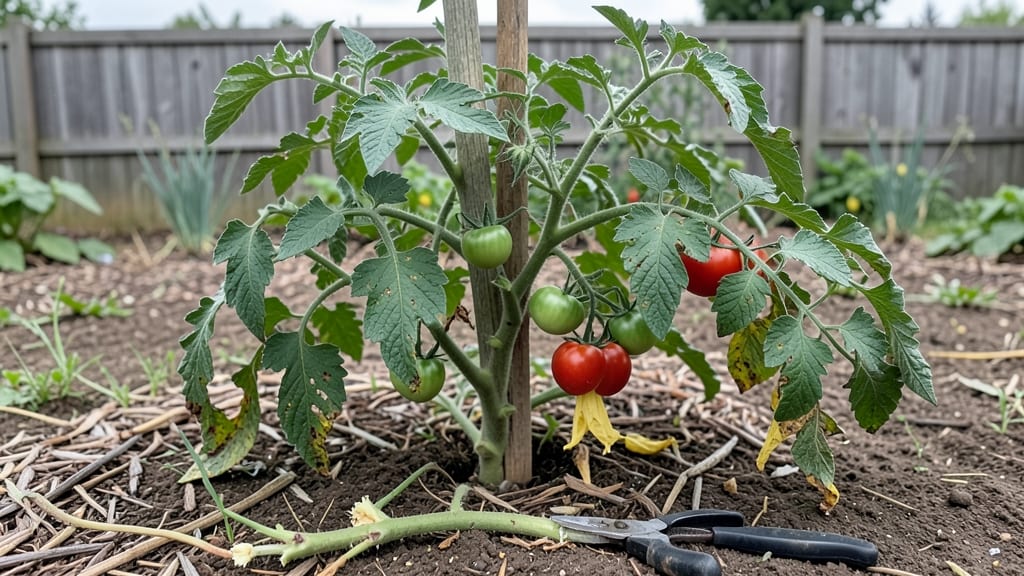
Mastering the essentials of tomato plant troubleshooting can save your harvest when wilting, dropped blossoms, or pests strike—but these fixes work fast. I’ve saved more plants than I can count by catching problems early, and the solutions are often simpler than they seem.
The most common issues—like sudden wilting, fruit dropping, or pests—usually have clear triggers: too much water, not enough sun, or hungry critters. The key is identifying the exact problem fast, because a 10-minute check now can mean pounds of tomatoes later.
I’ll walk you through the telltale signs and the fastest ways to fix them.
You’ll learn how to revive limp plants, stop blossoms from falling, and keep pests from ruining your crop—without spending hours or money on fancy tools. These methods work for both garden beds and containers, and they’re all tested in real kitchens and backyards, not just greenhouses.
Whether it’s early blight, aphids, or just a heatwave stressing your plants, you’ll have the exact steps to save them—plus tips to keep future harvests thriving. Let’s get those plants back on track before it’s too late.
Root Causes Behind Tomato Troubles
Understanding why tomato plants act up is half the battle—once you know the why, fixing the problem becomes much easier. Let’s break down the science behind common tomato plant issues, from environmental stressors to biological attacks.
Tomatoes thrive on consistency but hate soggy roots. When soil stays too wet, it cuts off oxygen to the roots, leading to root rot (often caused by Phytophthora fungi) or blossom end rot (from calcium leaching). Overwatering also dilutes soil nutrients, weakening the plant’s defenses.
Why it happens:
- Compacted or clay-heavy soil holds excess moisture, suffocating roots.
- Lack of drainage holes in containers traps water, mimicking a swampy environment.
- Inconsistent watering (e.g., heavy rains followed by drought) stresses plants, causing calcium uptake issues.
Tomatoes are heavy feeders, and when they don’t get the right nutrients, they send distress signals—yellowing leaves, stunted growth, or weak stems.
The most critical deficiencies include: - Nitrogen (N): Leads to pale, yellowing leaves (a classic sign of chlorosis). - Potassium (K): Causes weak stems, poor fruit set, and susceptibility to disease. - Calcium (Ca): Results in blossom end rot (black, leathery spots on fruit).
Why it happens:
- Improper soil pH (too acidic or alkaline) locks out nutrients like iron or manganese.
- Over-fertilizing with nitrogen (e.g., too much lawn fertilizer) burns roots and starves plants of other essentials.
- Lack of organic matter (like compost) depletes micronutrients over time.
Tomatoes are tropical plants at heart—they love warmth but hate extremes. Sudden temperature swings or insufficient light can halt growth, cause blossom drop, or even kill flowers before they set fruit.
Why it happens:
- Cold snaps below 55°F (13°C): Stops pollen production, leading to blossom drop (flowers fall off without fruiting).
- Heat waves above 90°F (32°C): Causes sunscald (white, leathery patches on fruit) or flower abortion (buds die before opening).
- Inadequate sunlight (<6–8 hours/day): Leads to leggy, weak plants with poor fruit development.
From sneaky aphids to fungal spores, pests and diseases exploit weak tomato plants.
Common culprits include: - Aphids & Spider Mites: Sap-sucking pests that weaken plants, spread viruses, and cause curls or yellowing leaves. - Fungal Diseases (Early Blight, Late Blight): Thrives in humid conditions, creating brown spots on leaves (early blight) or black, greasy lesions (late blight). - Bacterial Spot/Wilt: Spreads via water splashing, causing tiny, water-soaked spots that turn brown and crusty.
Why it happens:
- Poor air circulation (crowded plants or dense foliage) traps moisture, inviting fungi.
- Contaminated tools or soil spreads pathogens from previous plantings.
- Stressed plants (from drought, nutrient lack, or injury) have weaker immune responses.
Even well-cared-for tomato seedlings can struggle if they’re not hardened off or planted too deeply. Shock disrupts root growth, delaying recovery and making plants vulnerable to other issues.
Why it happens:
- Sudden exposure to sun/wind after indoor growing (no acclimation period).
- Buried stems too deep (encourages rot at the soil line) or shallow planting (roots can’t anchor).
- Root damage during transplanting (rough handling breaks delicate root hairs).
Healthy soil is the foundation of a thriving tomato plant. If the soil is compacted, depleted, or lacks structure, roots can’t access oxygen, water, or nutrients efficiently.
Why it happens:
- Heavy foot traffic or machinery compresses soil, reducing pore space for roots.
- No organic amendments (like compost or aged manure) lead to nutrient exhaustion.
- Overuse of synthetic fertilizers disrupts microbial life, which helps break down organic matter.
Tomatoes produce ethylene gas (a natural plant hormone) in response to stress, which can trigger blossom drop, fruit cracking, or early ripening. Environmental factors like drought or extreme heat spike ethylene levels.
Why it happens:
- Water stress (too much or too little) disrupts hormone balance.
- Mechanical damage (e.g., rough handling of fruit) releases ethylene prematurely.
- Rapid temperature changes confuse the plant’s hormonal signals.
Pro Tip: 💡 Most tomato problems stem from three core issues: water management, nutrient balance, and environmental stress. Fix one, and often others improve too!
Quick Fixes for Common Tomato Plant Woes
Got a tomato plant acting up? Don’t panic—most issues have simple, effective solutions. Below, we’ll tackle the most common problems with step-by-step fixes and tips to keep your plants thriving. Whether it’s wilting leaves, blossom drop, or pests, these fixes will get your tomatoes back on track.
Cause: Overwatering, underwatering, nutrient deficiency, or disease (like early blight or fusarium wilt). Fix It:
1. Check Your Watering Routine 💧
- Overwatering? Let the top 1–2 inches of soil dry out between waterings. Ensure pots have drainage holes, and garden beds aren’t waterlogged.
- Underwatering? Water deeply at the base of the plant (not the leaves) in the early morning.
Use mulch to retain moisture.
2. Boost Nutrients with a Balanced Fertilizer 🌿
- Yellow leaves often signal a nitrogen deficiency. Use a balanced fertilizer (10-10-10 or 5-5-5) or compost tea every 2–3 weeks.
- For older plants, switch to a low-nitrogen, high-phosphorus fertilizer (like 5-10-10) to encourage fruiting.
3.
Treat Fungal Diseases 🛡️ - Early blight or septoria leaf spot? Remove affected leaves immediately and spray with copper fungicide or a baking soda solution (1 tbsp baking soda + 1 quart water + a drop of dish soap). - Fusarium or verticillium wilt? Unfortunately, these are soil-borne and often fatal.
Remove the plant, sterilize tools, and avoid planting tomatoes in the same spot for 2–3 years.
💡 Prevention Tip: Water at the base, not overhead, to reduce fungal spores. Rotate crops yearly to prevent soil-borne diseases.
Cause: Temperature swings, poor pollination, overwatering, or nutrient imbalances. Fix It:
1. Stabilize Temperatures 🌡️
- Tomatoes need consistent temps between 60–85°F. If nights dip below 55°F, use row covers or a cloche to protect flowers.
- Avoid sudden heat spikes (above 90°F), which can cause blossoms to drop.
2. Hand-Pollinate for Better Fruit Set 🐝
- If bees are scarce, gently shake the plant or use a small paintbrush to transfer pollen between flowers.
- Pro tip: Plant basil or marigolds nearby to attract pollinators naturally.
3. Adjust Watering & Fertilizing 💦
- Overwatering? Reduce frequency—too much moisture can stress roots and cause blossom drop.
- Nutrient imbalance? Switch to a phosphorus-heavy fertilizer (like bone meal) to support flowering.
✨ Prevention Tip: Choose heat-tolerant varieties (like ‘Solar Fire’ or ‘Heatmaster’) if you live in a hot climate.
Cause: Sap-sucking insects (aphids, whiteflies) or chewing pests (hornworms, cutworms). Fix It:
1. Remove Pests by Hand 👨🍳
- Hornworms? Hunt them down (they’re big and green!) and drop them in soapy water.
- Aphids/whiteflies? Spray with a strong stream of water to knock them off, then repeat daily.
2. Use Organic Sprays 🌿
- Neem oil spray (1 tbsp neem oil + 1 tsp dish soap + 1 quart water) – repels and kills soft-bodied pests.
- Insecticidal soap (store-bought or DIY) works well for aphids and whiteflies.
3. Introduce Beneficial Insects 🐞
- Ladybugs eat aphids, and parasitic wasps target hornworms. Buy them from garden centers or attract them with dill or fennel plants.
💡 Prevention Tip: Row covers (lightweight fabric) can block pests early in the season. Plant basil, marigolds, or nasturtiums as pest-repelling companions.
Cause: Inconsistent watering (too much after a dry spell) or over-fertilizing with nitrogen. Fix It:
1. Water Consistently 💧
- Keep soil evenly moist (not soggy) to prevent sudden growth spurts that cause splitting.
- Mulch heavily to maintain steady moisture levels.
2. Prune for Better Airflow 🌿
- Remove suckers (side shoots) to reduce competition for water and nutrients.
- Thin fruit if overloaded—leave 6–8 tomatoes per plant for optimal size.
🎯 Prevention Tip: Choose disease-resistant varieties (like ‘Celebrity’ or ‘Mountain Merit’) that are less prone to splitting.
✅ Water deeply but less often (1–2 inches per week). ✅ Fertilize in stages (start with nitrogen, switch to phosphorus for fruiting). ✅ Monitor pests daily and act fast. ✅ Protect from extreme temps with shade cloth or row covers. ✅ Rotate crops to prevent soil-borne diseases.
With these fixes, your tomato plants should bounce back stronger—and you’ll be on your way to a bountiful harvest! 🍅🔥
Frequently asked questions
Why are my tomato leaves turning yellow, but the veins stay green?
This classic chlorosis usually means your plant lacks iron or zinc, often from alkaline soil (pH above 7.0). Test your soil—if it’s too alkaline, amend with chelated iron or compost. Yellowing between veins (not just tips) also signals poor root health from overwatering or compacted soil.
Can I save a tomato plant with blossom end rot?
Yes! Blossom end rot (black, sunken spots on fruit) is caused by calcium deficiency, often from inconsistent watering. Fix it by keeping soil evenly moist (not soggy) and applying crushed eggshells or calcium nitrate every 2 weeks. Remove affected fruit to redirect energy to new growth.
How do I tell if my wilting tomato plant needs water or has a disease?
Check the stems: Disease (like fusarium wilt) causes stems to feel mushy or discolored at the base, while underwatering leaves stems firm but dry. Also, wilt from heat stress happens during the day but recovers at night—disease doesn’t. If leaves are crispy, it’s likely underwatering; if they’re yellow and slimy, it’s rot.
Are home remedies like milk or coffee grounds safe for tomato plants?
Diluted milk (1 part milk to 9 parts water) can help prevent fungal diseases like early blight, but never use undiluted milk—it can burn leaves. Coffee grounds (used, not fresh) add nitrogen but should be composted first to avoid acidifying soil. For pests, try soapy water spray (1 tsp mild soap per quart of water) instead of risky DIY fixes.
How late in the season can I still harvest tomatoes?
Tomatoes ripen best on the vine, but you can pick green or turning tomatoes and ripen them indoors. Place them in a paper bag with a banana (ethylene gas speeds ripening) and store at 55–65°F. Varieties like ‘Sungold’ or ‘Celebrity’ ripen faster than heirlooms—prioritize those if frost threatens.