
Planting
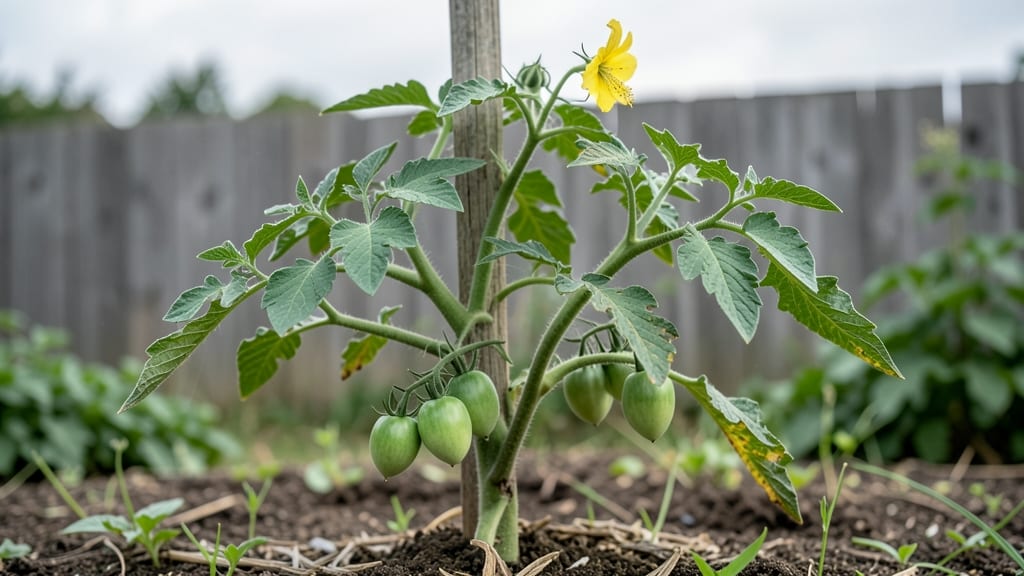
When your tomato plant’s leaves wilt, this tomato plant help guide is your lifeline—three easy fixes can revive even the most drooping plants before it’s too late. 🌱 back that lush, productive growth. The first step? Diagnosing whether your plant is thirsty, diseased, or under siege by pests.
Most problems start with watering—too much or too little—and spread from there. I learned the hard way that consistent moisture (about 1-1.5 inches per week) keeps roots happy, while uneven watering invites blight and blossom end rot.
Once you’ve got the watering right, you’ll spot the real culprits: chewed leaves mean hornworms, sticky stems mean aphids, and yellowing between veins means disease.
Within 7-10 days of adjusting water, pruning damaged leaves, and applying organic fixes (neem oil for pests, baking soda spray for fungal spots), you’ll see new green growth.
The plants start focusing energy on fruit instead of fighting damage, and suddenly, those blossoms turn into juicy, vine-ripened tomatoes instead of bitter, undersized ones.
This works for every tomato variety—cherries, beefsteaks, even those stubborn heirlooms. The secret isn’t fancy tools; it’s watching your plants daily and acting fast. Let’s turn those wilting leaves into a harvest-worthy comeback story.
📚 In This Guide
- What you need
- Instructions
- Tips and common mistakes
- Wrapping up and next steps
What you need
- ● Pruning shears or sharp scissors – Clean, sterilized tools to trim damaged leaves and stems (avoid dull blades to prevent tearing).
- ● Balanced fertilizer – 10-10-10 or 5-5-5 NPK ratio, 1–2 tablespoons per plant (follow package instructions for dilution).
- ● Organic mulch – Straw, shredded leaves, or grass clippings, 2–3 inches thick to retain moisture and regulate soil temperature.
- ● Watering can or hose with a gentle nozzle – For deep watering (1–1.5 inches per week, more in extreme heat).
- ○ Copper fungicide (optional but helpful) – Prevents blight; spray as directed if leaves show signs of disease.
- ● Epsom salt (magnesium sulfate) – 1 tablespoon per gallon of water for yellowing leaves (magnesium deficiency).
- ● Stakes or cages – 4–6 foot tall to support tall tomato plants and improve air circulation.
- ● Hand lens or magnifying glass – To inspect leaves for pests (aphids, spider mites) or fungal spores.
- ● Neem oil or insecticidal soap – For pest control; mix 1–2 teaspoons per quart of water and spray on undersides of leaves.
- ● pH test kit – Ideal soil pH for tomatoes: 6.0–6.8. Adjust with lime (to raise pH) or sulfur (to lower pH) if needed.
- ● Compost or worm castings – 1 cup per plant to enrich soil with nutrients and improve drainage.
- ● Reflective mulch or aluminum foil – Placed around plants to deter pests like flea beetles.
Step-by-Step instructions for reviving wilted tomato plants
Here's how to nurse your tomato plants back to health and get them producing again.
💧 Step 1: Check Watering and Adjust Immediately
Wilted leaves usually mean inconsistent watering. Tomato roots need 1-1.5 inches of water weekly, delivered deeply at the base—not just a quick sprinkle. I check soil moisture by sticking my finger 2 inches down—if it feels dry, it’s time to water. Use a soaker hose or drip irrigation to deliver water slowly and evenly, avoiding the leaves to prevent disease.
Morning watering is best—it gives foliage time to dry before evening, reducing fungal risks. If your plants are drooping in the afternoon heat, give them a deep drink right away. Overwatering is just as harmful as underwatering, so let the top inch of soil dry between sessions. You’ll know you’ve got it right when the soil feels moist but not soggy.
☀️ Step 2: Assess Light and Provide Support
Leggy stems or yellowing leaves often signal insufficient light. Tomato plants need 6-8 hours of direct sunlight daily. If your plants are stretching toward a window or looking pale, move them to a sunnier spot or supplement with a grow light. I place mine within 12 inches of a south-facing window or under a LED grow light for 14 hours daily.
While you’re evaluating light, check for physical damage. Gently shake the plant—if flowers or small fruit drop easily, it could mean underwatering or root stress. Add a stake or cage if your plant lacks support, tying the main stem loosely with soft plant ties. This prevents wind damage and helps leaves dry faster after watering.
✂️ Step 3: Prune and Fertilize for Recovery
Pruning stressed plants might seem counterintuitive, but removing damaged or yellowed leaves redirects energy to healthy growth. Use clean, sharp pruners to snip just above a leaf joint, avoiding the main stem. Focus on lower leaves first—they’re more likely to harbor disease. I prune in the morning so wounds have time to dry before evening moisture sets in.
Boost recovery with a balanced 10-10-10 fertilizer mixed at half-strength. Apply it to the soil, not the leaves, and water deeply afterward. Avoid high-nitrogen fertilizers—they promote leafy growth at the expense of fruit. Instead, opt for a low-nitrogen, high-phosphorus formula to encourage flowering and fruiting. You’ll notice new growth within 7-10 days if the plant is otherwise healthy.
Tips & tricks for perfect tomato plant recovery
A few simple tricks can make all the difference when bringing your tomato plants back to life.
The Watering Test: In Step 1, when checking soil moisture, press your finger 2 inches down—this is where tomato roots actively seek water. If the soil feels dry at this depth, it's time to water. For container plants, this test is even more critical since they dry out faster. I always water until I see moisture at 3-4 inches deep to ensure roots get properly hydrated.
Light Supplement Strategy: If your plants need more light (Step 2), don't just move them closer to a window. Place a reflective surface like aluminum foil or a white board on the opposite side to bounce extra light onto the leaves. This can effectively double the light exposure. For indoor grow lights, position them 12-18 inches above the plants and adjust height as they grow to maintain consistent light intensity.
Pruning Precision: When pruning in Step 3, focus on removing leaves that are touching the soil—they're prime candidates for fungal diseases. I also look for leaves with yellow edges or brown spots, which indicate stress. Always use sterilized pruners (wipe with rubbing alcohol between cuts) to prevent spreading disease. Remember, you're not just removing damaged foliage, you're creating better airflow around the plant.
Fertilizer Timing: After applying your balanced fertilizer, wait 7-10 days before expecting visible results. This gives the plant time to absorb nutrients and redirect energy to new growth. I like to apply fertilizer in the morning when plants are actively photosynthesizing, and always water it in well. For container plants, you can fertilize every 2-3 weeks during the growing season, but reduce frequency if you notice salt buildup on the soil surface.
Pro Tips for Tomato Plant Help
- A few simple tricks can make all the difference when bringing your tomato plants back to life.
- The Watering Test: In Step 1, when checking soil moisture, press your finger 2 inches down—this is where tomato roots actively seek water.
- Light Supplement Strategy: If your plants need more light (Step 2), don't just move them closer to a window.
Frequently asked questions
Got questions about keeping your tomato plants thriving? Here are answers to the most common concerns—so you can go from wilted leaves to juicy harvests in no time!
Why are my tomato plant leaves turning yellow or wilting?
Yellowing or wilting leaves are often caused by underwatering or overwatering. Check the soil—it should be moist but not soggy. Yellowing edges? Likely overwatering. Drooping in heat? It may need more water or shade. Pests like aphids or diseases (e.g., early blight) can also trigger wilting. Inspect the undersides of leaves and treat accordingly.
How often should I fertilize tomato plants?
Feed your tomato plants every 2–3 weeks during the growing season (spring to summer) with a balanced fertilizer (10-10-10) or one high in phosphorus (like 5-10-10) to encourage flowering and fruiting. Stop fertilizing 4–6 weeks before harvest to avoid bitter-tasting fruit. Use organic options like compost tea or worm castings for a gentler boost!
Can I save a tomato plant with blight or pests?
Yes! For fungal blight (brown spots on leaves), prune infected leaves immediately and apply a copper fungicide or baking soda spray (1 tsp baking soda + 1 quart water + a drop of dish soap). For pests like hornworms, handpick them (they’re easy to spot!) or use neem oil. Isolate affected plants to prevent spread. With quick action, your plant can recover!
What can I do if my tomato plant isn’t producing fruit?
Poor fruiting often stems from lack of pollination, nutrient deficiencies, or temperature stress. Gently shake the plant or use a small brush to transfer pollen. Ensure it gets 6–8 hours of sunlight daily and consistent watering. Add calcium (like crushed eggshells) to prevent blossom-end rot. If nights are too hot (>75°F), fruiting may stall—try shade cloth.
Are there easy alternatives to traditional tomato plants?
Try cherry tomatoes (faster-growing, prolific), determinate varieties (bush-type, great for containers), or heirloom tomatoes for unique flavors. For small spaces, vertical gardening with trellises works wonders. Dwarf or patio tomatoes (like ‘Tiny Tim’) thrive in pots—just ensure they get enough light and support!
Wrapping up and next steps
Reviving your tomato plant and boosting its fruit production doesn’t have to be overwhelming—just follow the right steps! With a little care, you can turn those wilted leaves into lush greenery and enjoy a bountiful harvest. Remember: patience and consistency are key, so don’t rush the process.
Ready to see your tomato plant thrive? Start today! Grab your supplies, roll up your sleeves, and give your plant the TLC it deserves. Happy gardening—your future tomatoes will thank you! 🍅✨