
Blooming
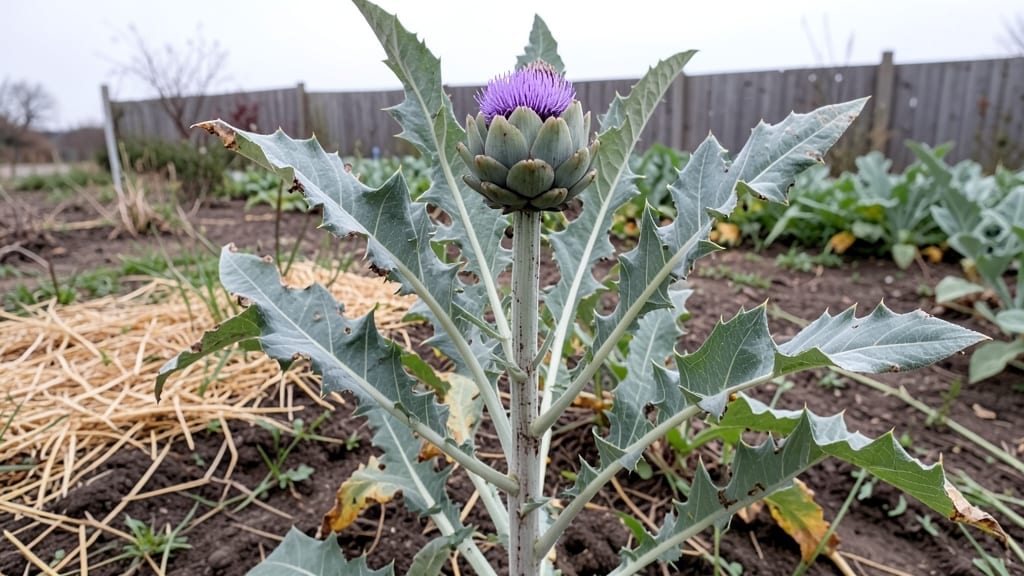
Getting artichoke plants to bloom reliably means you’ll be harvesting those fuzzy green treasures for months instead of weeks. 🌿 I learned the hard way that patience and precision pay off—my first crop petered out because I rushed the blooms, but now I’ve cracked the code for steady production.
The secret starts with sunlight and soil: artichokes demand full sun (6+ hours daily) and rich, well-draining soil with a pH between 6.5 and 7.5. Once buds form, water consistently—about 1 inch per week—and fertilize lightly with compost every 4-6 weeks.
Prune aggressively after harvest to encourage new growth, but never cut more than a third of the plant at once.
You’ll know you’re doing it right when thick, vibrant stems push out new buds every 2-3 weeks. The first blooms might take 100-120 days from seed, but with proper care, you’ll get continuous harvests from late spring through fall.
Even better? The more you pick, the more your plant produces—a self-replenishing cycle.
Works best in zones 7-10, but container gardeners in cooler climates can extend the season by bringing pots indoors before frost. The key is watching for those tight, purple-tinged buds—they’re your cue to start harvesting before the flower opens. Let’s turn those stems into a year-round feast!
📚 In This Guide
- What you need
- Instructions
- Tips and common mistakes
- Wrapping up and next steps
What you need
- ● Artichoke plants: 2–3 Jerusalem artichoke (Helianthus tuberosus) or globe artichoke (Cynara cardunculus) tubers/roots (check local climate suitability).
- ● Well-draining soil: 10–15 lbs of a mix of 60% garden soil, 30% compost, and 10% perlite/sand (for aeration).
- ● Container or garden bed: For containers: 5–7 gallon pots (1 per plant) with drainage holes.
- ● For in-ground: A sunny spot with 6+ hours of sunlight daily and space for roots to spread (18–24 inches apart).
- ● Watering can or hose: With a gentle spray nozzle (artichokes dislike soggy roots!).
- ● Organic fertilizer: Balanced 10-10-10 or compost tea (apply every 4–6 weeks).
- ● Pruning shears: Sharp, clean pair for trimming dead blooms or overgrowth.
- ● Mulch: 2–3 inches of straw or wood chips to retain moisture and suppress weeds.
- ● Drip irrigation system: For consistent moisture without overwatering.
- ● Epsom salt: 1 tbsp per gallon of water (monthly) to boost magnesium for vibrant blooms.
- ● Row covers: Lightweight fabric to protect from pests or late frosts.
- ● pH test kit: Ideal soil pH for artichokes: 6.5–7.5.
- ● Trellis or stakes: If growing tall varieties (e.g., Cynara cardunculus) for support.
Step-by-step instructions for encouraging artichoke plant blooms
Here’s how to coax those prized buds into blooming—no matter the season.
🌱 Step 1: Prepare the Soil for Optimal Growth
Artichokes thrive in well-draining, nutrient-rich soil with a pH between 6.5 and 7.5. Work in 4-6 inches of compost into the top 12 inches of soil before planting. This ensures roots have plenty of organic matter to access nutrients and water without sitting in soggy conditions. I always spread a 2-inch layer of aged compost over the planting area and mix it in thoroughly.
If your soil is heavy clay, blend in 20% coarse sand or perlite to improve drainage. Artichokes hate wet feet—even a slight waterlogged spot will stunt growth or cause root rot. Test the soil’s moisture by squeezing a handful: it should hold together but not drip water. Adjust with compost or sand if needed.
☀️ Step 2: Position for Maximum Sunlight and Warmth
Artichoke plants demand full sun exposure—at least 8 hours daily—to produce those iconic buds. Choose a spot sheltered from strong winds, as their tall stems can flop in gusts. In cooler climates, extend the growing season by planting in a south-facing location where the ground warms faster.
If you’re growing in containers, place them where they’ll receive direct sunlight for most of the day. I’ve found that moving pots to a sunny patio by mid-morning boosts bud formation. Monitor the plants: if leaves yellow or stems stretch thin, they’re not getting enough light. Adjust their position within 2-3 days to prevent legginess.
💧 Step 3: Water Deeply and Consistently
Artichokes need 1-2 inches of water weekly, but the key is deep, infrequent watering. Water at the base of the plant in the early morning to reduce evaporation and fungal risks. Let the top 2 inches of soil dry out between waterings—this prevents shallow root systems and encourages deeper growth.
Mulch around the base with 2-3 inches of straw or wood chips to retain moisture and regulate soil temperature. Avoid wetting the leaves, as this can lead to mildew. You’ll know you’re on track when the soil feels lightly moist but not soggy when you check with your fingers.
✂️ Step 4: Prune and Support for Stronger Blooms
Pinch off any side shoots that form in the first 6-8 weeks to redirect energy into the main stem. This encourages a single, robust central shoot that will produce larger buds. Once the plant reaches 3 feet tall, install a sturdy stake or cage to support the heavy stems.
Remove any yellow or damaged leaves regularly—they drain energy from the plant. When buds form, watch closely: they’ll start as fuzzy, purple-tinged centers. Harvest when the outer bracts are tight and the base is swollen, usually 8-10 weeks after planting. This timing ensures the best flavor and texture.
🌿 Step 5: Fertilize for Continuous Blooms
Feed the plants every 4-6 weeks with a balanced, organic fertilizer (like 5-5-5) to support steady growth. Stop fertilizing 6-8 weeks before the first frost to encourage the plant to harden off naturally. I’ve found that a light application of fish emulsion mid-season gives a nice boost without burning the roots.
Watch for signs of nutrient deficiencies: yellow leaves often mean nitrogen deficiency, while purple stems signal a need for phosphorus. Adjust your fertilizer blend accordingly. With consistent care, your artichoke plant will keep producing buds well into the fall—or even next year if you protect it from frost.
Tips & tricks for perfect artichoke plant blooms
These simple yet game-changing tricks will help you coax those gorgeous artichoke buds into blooming reliably—no matter what challenges your garden throws your way.
Soil Prep Secret: Don't just add compost—work it into the top 12 inches of soil as instructed, but here's the thing: if your soil is sandy, add an extra 1-2 inches of compost to help retain moisture. I've found that mixing in a handful of worm castings with the compost gives an extra nutrient boost that makes all the difference for those early blooms. The key is getting that soil pH between 6.5-7.5—test it with a simple soil kit if you're unsure.
Sunlight Strategy: That 8-hour minimum of sunlight is non-negotiable, but here's what I do differently: I place a small solar-powered garden light near my artichoke plants in late afternoon to extend their sunlight exposure by another hour. This extra light in the cooler evening hours makes a surprising difference in bud formation. And if you notice leaves yellowing after a few days, it's definitely a sign to move the plant to a sunnier spot—don't wait until it's too late!
Watering Wisdom: The deep, infrequent watering approach works wonders, but I've learned this the hard way: always water at the base and avoid getting leaves wet. If you're using a hose, consider attaching a gentle rain nozzle to prevent splashing. Also, check soil moisture by feeling the top 2 inches—it should feel like a wrung-out sponge, not a damp washcloth. This prevents those pesky fungal issues that can derail your blooms completely.
Pruning Precision: When pinching off those side shoots in the first 6-8 weeks, be decisive—don't hesitate. Use clean scissors or your fingers to remove them completely at the base. I've found that doing this every 2 weeks keeps the plant focused on producing that main stem. And once your plant hits 3 feet tall, install that stake or cage immediately—waiting until it's leaning means you'll have to wrestle with a much heavier plant later. Trust me on this!
Pro Tips for Artichoke Plant Bloom
- These simple yet game-changing tricks will help you coax those gorgeous artichoke buds into blooming reliably—no matter what challenges your garden throws your way.
- Soil Prep Secret: Don't just add compost—work it into the top 12 inches of soil as instructed, but here's the thing: if your soil is sandy, add an extra 1-2 inches of compost to help retain moisture.
- This extra light in the cooler evening hours makes a surprising difference in bud formation.
Frequently asked questions
Got questions about nurturing your artichoke plant bloom? You’re not alone! Here are some of the most common queries—and practical answers—to keep your plants thriving year-round.
When do artichoke plants typically bloom, and how long does it take?
Artichoke plants usually bloom 120–150 days after planting, depending on the variety (e.g., 'Green Globe' blooms later than 'Violetto'). The purple flower buds appear first, followed by the edible heart. In warmer climates, you might see blooms as early as spring, while cooler regions may need a head start with greenhouse starts.
Why aren’t my artichoke plants blooming? Troubleshooting tips.
If your artichoke plant isn’t blooming, check these common culprits:
- Insufficient sunlight: Artichokes need 6–8+ hours of full sun daily. Move potted plants to a sunnier spot or add grow lights.
- Poor soil or nutrients: Test soil pH (aim for 6.0–7.0) and amend with compost or a balanced fertilizer (e.g., 10-10-10).
- Temperature stress: Artichokes thrive in 60–80°F zones. If nights dip below 50°F, use row covers or mulch.
- Overcrowding: Space plants 3–4 feet apart to reduce competition for resources.
If issues persist, your plant may need more time—some varieties take up to 6 months to bloom!
Can I eat the flowers after the artichoke blooms?
Yes! Once the purple bracts open, the flower itself is edible (though less common in cooking). The buds are the star—harvest them before the flower unfurls fully. For a unique twist, try steaming or grilling the open flowers like you would squash blossoms, but note they’re milder in flavor than the heart.
Are there alternatives to traditional artichoke plants for blooms?
If you love the look of artichoke blooms but want easier options, consider these low-maintenance alternatives:
- Globe artichokes (Cynara cardunculus 'Sphaeroccephalon'): Produce round, thistle-like blooms that are edible and drought-tolerant.
- Cardoon (Cynara cardunculus var. scolymus): A wild relative with spiky, decorative flowers and tender shoots.
- Ornamental thistles (e.g., Eryngium): Non-edible but striking purple blooms that attract pollinators.
For edible blooms, try squash blossoms or nasturtiums—both are beginner-friendly!
How do I extend the blooming season for artichokes?
To keep artichoke plants producing blooms longer:
- Successive planting: Start new plants every 2–3 weeks in warm climates for staggered harvests.
- Prune strategically: Trim back spent blooms to encourage secondary growth (but leave 2–3 buds per stem).
- Protect from pests: Use neem oil or row covers to deter slugs/snails that munch on buds.
- Water wisely: Deep water 1–2 times weekly (more in heatwaves) to prevent stress-induced dormancy.
In colder zones, overwinter potted plants indoors with bright light to restart blooming in spring.
Wrapping up and next steps
Watching your artichoke plant bloom into a thriving, year-round harvest is incredibly rewarding—whether you’re growing them for their delicious buds or their striking purple flowers! 🌿 With the right care, patience, and a few clever hacks, you can enjoy fresh artichokes straight from your garden for months.
Start small, experiment with varieties, and don’t hesitate to share your successes (or lessons learned) with fellow gardeners.
Now that you’re armed with tips to maximize blooms, take the next step: plant a few extra stems or try a new variety this season. Happy gardening—and may your harvest be as bountiful as your enthusiasm! 🌱