
Pruning
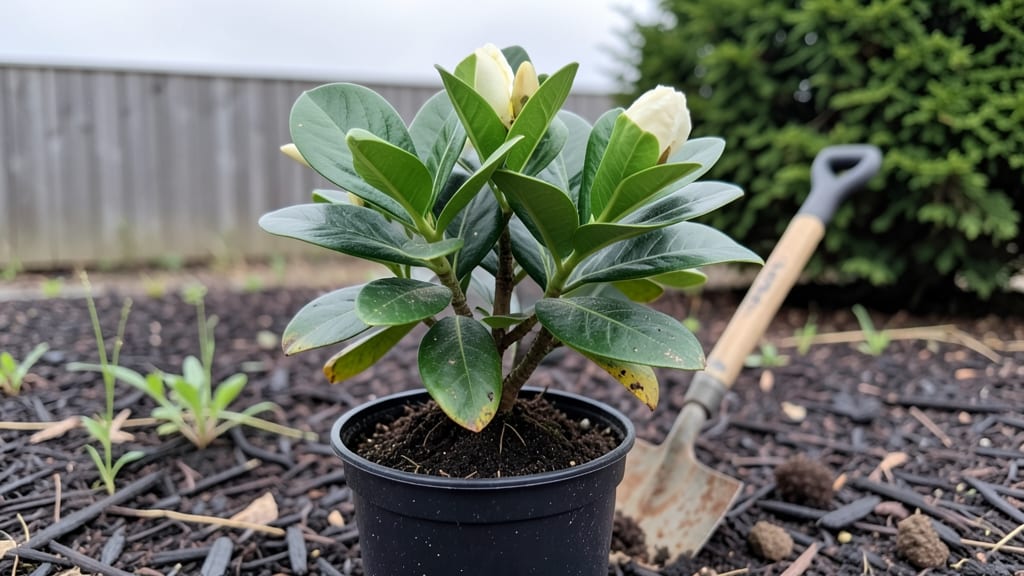
Planting a gardenia tree requires well-draining soil, partial shade, and spring or early fall timing for optimal root establishment. Dig a hole twice as wide as the root ball, amend soil with compost, and water deeply after planting to encourage healthy growth.
Gardenias thrive best in sandy, acidic soil with a pH between 5.0-6.5, mimicking their natural tropical habitat. 🌿 The right planting time—spring or early fall—gives roots time to establish before extreme heat or cold sets in.
I’ve found that adding peat moss or pine bark to the soil improves drainage and mimics their native conditions, while mulching helps retain moisture and regulate temperature around the roots.
One key detail often overlooked is the need for partial shade—too much direct sunlight can stress the plant, while too little reduces flowering. I recommend placing gardenias where they get morning sun and afternoon shade, especially in hotter climates.
The deep watering after planting is critical; it helps settle the soil and encourages roots to spread outward rather than stay compacted.
💡 In This Article
- Optimal Conditions for Gardenia Tree Growth
- Step-by-Step Gardenia Tree Planting Guide
Optimal conditions for gardenia tree growth
Gardenias originate from tropical and subtropical regions where soil pH naturally ranges between 5.0-6.5, creating the perfect environment for their nutrient uptake.
The sandy, acidic soil prevents root rot by allowing excess water to drain quickly, while the acidity helps unlock essential nutrients like iron and phosphorus that gardenias need for vibrant foliage and abundant blooms.
Think of it like their natural ecosystem—similar to how azaleas thrive in acidic soil, gardenias have adapted to extract nutrients efficiently in these conditions. 🌱
The sandy texture of ideal gardenia soil mimics their native habitats where rainfall is frequent but drainage is rapid. A soil test can reveal your current pH—if it's above 7.0, you'll need to amend it with sulfur or peat moss to lower it gradually.
I've seen gardenias struggle in alkaline soils (pH 7.5+) because nutrient availability drops dramatically, leading to yellowing leaves and sparse flowering. The root system also benefits from loose, aerated soil that prevents compaction, which can restrict oxygen flow to roots.
Humidity levels above 50% are crucial because gardenias are native to regions with consistent moisture in the air. In drier climates, you'll need to mist the leaves regularly or use a humidity tray filled with pebbles and water beneath the pot.
The plant's glossy leaves are actually adapted to retain moisture, but they'll still show stress signs like brown leaf edges when humidity drops below 40%.
Shelter from harsh winds is equally important—their delicate blooms can tear easily, and strong winds dry out the soil faster than the roots can absorb water.
Sunlight exposure directly impacts flowering cycles, with gardenias requiring 4-6 hours of morning sun and afternoon shade to prevent leaf scorch. The key is balancing light intensity with temperature control—direct afternoon sun in hot climates can raise leaf temperatures beyond 90°F, causing irreversible damage.
I've noticed that gardenias planted in full shade may produce fewer blooms because they lack the energy from photosynthesis, while those in too much sun often develop sunburnt patches on their leaves.
Seasonal planting windows matter because gardenias are sensitive to temperature extremes. Spring planting (after last frost) gives roots 6-8 weeks to establish before summer heat arrives, while early fall planting allows roots to settle before winter dormancy.
In warmer climates (Zones 8-11), you can plant year-round, but avoid extreme heat waves or cold snaps that can shock the plant. The root system's ability to absorb water and nutrients is directly tied to soil temperature—ideal root zone temperatures range between 65-75°F for optimal growth.
What most gardeners don't realize is how critical the transition period is after planting. The first 30 days are when roots establish their primary structure, making consistent moisture and proper soil contact essential.
I've seen gardenias fail to thrive when planted too deeply—ensure the root flare (where roots meet the trunk) sits at or slightly above soil level. This prevents water from pooling around the trunk and causing rot while allowing proper gas exchange for root respiration. 💫