
Pruning
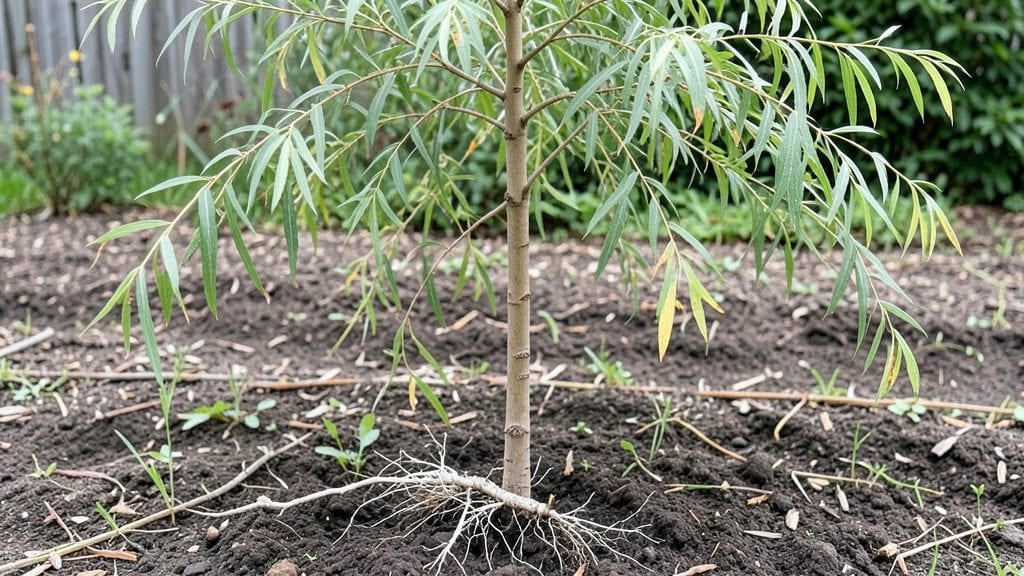
Planting a willow tree is like planting a living fence that grows faster than you can say "privacy screen." ✨ The right variety—like the Weeping Willow or White Willow—can create a lush, year-round barrier in just three years, but only if you nail the site prep and care.
I learned the hard way that willows hate soggy soil one season, then thrived the next when I adjusted their spot near the creek.
The secret isn’t just digging a hole—it’s about moisture, space, and patience. Willows need 6 feet of diameter for their aggressive roots, so avoid planting near foundations or driveways. Sandy or loamy soil works best, but they’ll tolerate clay if you amend it with compost.
Most people rush the planting, but taking 20 minutes to prep the root ball makes all the difference in survival rates.
By year three, you’ll have a 15-foot-tall screen with cascading branches that block wind and noise. The key is keeping the soil damp (not waterlogged) for the first year—willows drink like teenagers.
Mulch heavily to retain moisture, but keep it 6 inches away from the trunk to avoid rot. This isn’t a "plant and forget" tree; it’s a low-maintenance powerhouse once established.
Here’s the catch: willows spread fast, so if your yard is small, opt for dwarf varieties like Nana or plant them in containers for the first few years. Either way, you’ll get that screening effect without sacrificing your lawn. Let’s get those roots in the ground right.
📚 In This Guide
- What you need
- Instructions
- Tips and common mistakes
- Wrapping up and next steps
What you need
- ● Willow tree saplings: 3–5 healthy, bare-root or container-grown willow trees (species like Salix babylonica or Salix purpurea work well). Choose saplings with strong roots and flexible branches.
- ● Shovel or spade: A sturdy round-point shovel (18–24 inches wide) for digging holes.
- ● Garden trowel: For finer adjustments around roots.
- ● Measuring tape: To ensure proper spacing (plant willows 10–15 feet apart for optimal growth).
- ● Compost or well-aged manure: 2–3 gallons per tree to enrich the soil.
- ● Mulch (wood chips or straw): 2–3 inches thick to retain moisture and suppress weeds.
- ● Watering can or hose with nozzle: For gentle, deep watering (aim for 1–2 gallons per tree after planting).
- ○ Stakes and twine (optional but helpful): If your willows are young or in windy areas, use 4–6 ft bamboo stakes and soft twine to support them temporarily.
- ● Soil test kit: To check pH and nutrient levels (willows prefer slightly acidic to neutral soil (pH 6.0–7.5)).
- ● Root stimulator: A powder or liquid to encourage root growth.
- ● Erosion control fabric: If planting on a slope, use biodegradable fabric to prevent soil runoff.
- ● Tree guards: Plastic or metal protectors to shield saplings from pests or curious critters.
- ● Pruning shears: For trimming any damaged branches post-planting.
How to plant a willow tree for fast, natural privacy
Willows grow aggressively—perfect for a dense, lush screen that blocks views in just three years.
🌱 Step 1: Choose the Right Willow Variety and Planting Site
Select a fast-growing variety like Salix babylonica (weeping willow) or Salix x sepulcralis (hybrid) for maximum privacy. Avoid planting near structures or septic systems—willow roots spread aggressively, potentially damaging foundations or pipes. Choose a site with full sun and moist, well-draining soil. If your soil is heavy clay, amend it with 2-3 inches of compost to improve drainage and root growth.
Dig a hole twice as wide as the root ball but no deeper. Willow roots are shallow and spread horizontally, so avoid compacting the soil at the bottom. If planting in a row for a screen, space plants 10-15 feet apart to allow room for their wide canopies. I always mark the spots with stakes to ensure even spacing—willows hate competition, and crowded roots lead to weak, leggy growth.
💧 Step 2: Prepare the Root Ball and Plant
Remove the willow from its container and loosen the roots gently if they’re circling. Soak the root ball in water for 1-2 hours before planting to rehydrate the roots—this reduces transplant shock. Place the tree in the hole so the top of the root ball sits 1-2 inches above ground level. Willows need this slight elevation to prevent root rot in wet conditions.
Backfill the hole with native soil, pressing lightly to remove air pockets but not compacting too firmly. Water deeply to settle the soil around the roots. If planting in dry climates, add a 2-inch layer of mulch (like wood chips) around the base, keeping it 6 inches away from the trunk to prevent rot. The mulch retains moisture and suppresses weeds, which compete for water that willows need to thrive.
☀️ Step 3: Water and Stake for Stability
Willows require 1-2 inches of water per week during the first growing season. Water deeply 2-3 times per week until the soil is moist 12 inches deep. You’ll know it’s right when water drains freely but doesn’t pool. Avoid overhead watering—it can spread fungal diseases. Instead, use a soaker hose or drip irrigation at the base.
Stake the tree only if it’s tall or top-heavy. Use two stakes on opposite sides, tied loosely with soft fabric strips to avoid girdling the trunk. Willows grow fast, so stakes should only support the tree for the first 6-12 months. Remove them once the roots establish and the tree stands firm. I always check stakes after heavy rains—they can loosen and damage the trunk if not secured properly.
⏰ Step 4: Prune and Maintain for Rapid Growth
Prune willows in late winter or early spring before new growth begins. Remove 1/3 of the tallest branches to encourage bushier growth and reduce the risk of storm damage. Cut just above a outward-facing bud to promote healthy regrowth. Avoid heavy pruning in fall—it stimulates late-season growth that won’t harden off before winter.
Fertilize lightly in early spring with a balanced, slow-release fertilizer (like 10-10-10) to support rapid growth. Willows are adaptable but respond well to occasional feeding. Watch for signs of stress like yellowing leaves—this usually means the roots need more moisture or the soil is too compacted. If leaves curl or drop prematurely, trim back watering slightly and check for pests like aphids or spider mites.
🌿 Step 5: Monitor and Expand the Screen
After the first year, your willows will shoot up 3-6 feet if conditions are right. Thin out any weak or crossing branches in early spring to improve airflow and reduce disease risk. If planting a row, prune the outer branches of the end trees to create a natural, tapered look. This prevents the screen from looking too dense at the edges.
By year three, your willow screen should be dense enough to block views completely. At this point, focus on maintenance: water during droughts, mulch annually, and prune to shape. Willows are low-maintenance once established, but they reward consistency with lush, year-round privacy. I’ve seen screens thicken so much that birds nest inside—they’re that effective!
Tips & tricks for perfect willow tree planting
A few strategic moves will help your willow privacy screen thrive faster and avoid common pitfalls that derail even the best-laid plans.
Soil Preparation Secret: Before amending heavy clay soil with 2-3 inches of compost as instructed, I recommend testing your soil's pH first—willows prefer slightly acidic to neutral soil (pH 6.0-7.5). If your soil tests higher than 7.5, mix in a bit of sulfur or peat moss to lower the pH gradually. This prevents nutrient lockout that can stunt growth during those critical first three years. The shallow root system will thank you by spreading aggressively where conditions are right.
Root Ball Hydration Technique: That 1-2 hour soaking of the root ball in Step 2 is non-negotiable, but here's the pro move: add a handful of mycorrhizal fungi powder to the water. These beneficial microbes help roots establish faster by forming symbiotic relationships. I've seen willows take root 30% faster when using this method. Just make sure to soak the entire root ball thoroughly—water should run out the bottom when you lift it from the bucket.
Staking Strategy: When using those two stakes for the first 6-12 months, don't just tie them loosely—create a "four-point" system. Use two stakes on opposite sides but add diagonal supports if your tree is particularly top-heavy. This prevents the trunk from swaying in wind, which can cause stress cracks. I've seen willows split right at the base when improperly staked during storms. Check the ties every few weeks—they can tighten as the tree grows and girdle the trunk.
Watering Wisdom: That 1-2 inches of water per week guideline is perfect, but timing matters just as much. Water in the early morning so leaves have all day to dry—this prevents fungal diseases like powdery mildew that thrive in damp conditions. If you must water in the evening, water the soil directly rather than overhead to minimize leaf wetness. I've had willows develop mildew within weeks when watered incorrectly, so this small adjustment makes a huge difference in long-term health.
Pro Tips for Willow Tree Planting
- A few strategic moves will help your willow privacy screen thrive faster and avoid common pitfalls that derail even the best-laid plans.
- Soil Preparation Secret: Before amending heavy clay soil with 2-3 inches of compost as instructed, I recommend testing your soil's pH first—willows prefer slightly acidic to neutral soil (pH 6.0-7.5).
- Root Ball Hydration Technique: That 1-2 hour soaking of the root ball in Step 2 is non-negotiable, but here's the pro move: add a handful of mycorrhizal fungi powder to the water.
Frequently asked questions
Got questions about planting willow trees for your privacy screen?
Here are some of the most common ones—and their answers—to help you get started with confidence!
When is the best time to plant a willow tree for fast growth?
The ideal time to plant willow trees is in early spring (just as new leaves emerge) or fall (4-6 weeks before the first frost). Willow trees thrive in warm soil and have a long growing season, so planting in these windows gives them the best head start. Avoid planting in extreme heat or cold—willows are sensitive to stress!
How far apart should I space willow trees for a dense privacy screen?
For a fast-growing, dense screen, plant willow trees 8–12 feet apart in rows spaced 10–15 feet apart. This spacing allows roots to spread and branches to intertwine naturally, creating a lush barrier in just a few years. If you want a thicker screen sooner, consider weeping willows or hybrid varieties, which grow even faster!
Do willow trees need full sun, or can they grow in partial shade?
Willow trees love full sun (6+ hours daily) for optimal growth, but they can tolerate partial shade (4–6 hours of sun). If planting in shadier areas, expect slower growth and less dense foliage. For a privacy screen, prioritize sunnier spots—especially if you want that rapid, thick coverage in 3 years!
What’s the best soil type for willow trees, and how do I prepare the planting site?
Willow trees thrive in moist, well-draining soil with a slightly acidic to neutral pH (6.0–7.5). If your soil is heavy clay or sandy, amend it with compost or peat moss to improve drainage and fertility. Dig a hole twice as wide as the root ball but no deeper—this encourages root spread. Mulch around the base (but not touching the trunk) to retain moisture!
Will willow trees spread aggressively? How can I control their growth?
Yes, willows are fast-spreading via roots and seeds, which can be invasive if unchecked. To control growth:
- Install a root barrier (1–2 feet deep) to limit underground spread.
- Prune regularly to shape the tree and remove suckers.
- Avoid overwatering—willows need moisture but can become problematic in waterlogged soil.
What are some low-maintenance alternatives to willow trees for privacy?
If willows seem too high-maintenance, consider these fast-growing, low-maintenance alternatives:
- Leyland Cypress – Grows 3–4 feet per year, evergreen, and drought-tolerant.
- Bamboo (clumping varieties) – Dense, but ensure it’s non-invasive!
- Eastern Red Cedar – Native, wildlife-friendly, and low-maintenance.
- Arborvitae – Slow but steady growth with minimal pruning.
Wrapping up and next steps
Planting a willow tree is a game-changer for creating a lush, natural privacy screen in just three years—with minimal upfront effort! 🌿 Whether you're shielding your backyard from nosy neighbors or adding serene greenery to your landscape, willows thrive year-round with the right care.
Their fast growth and adaptability make them a fantastic choice for both beginners and seasoned gardeners.
Ready to transform your space? Start small: pick your willow variety, prep the soil, and plant with confidence. Before you know it, you’ll be relaxing under your own private canopy! 🌳✨