
Pests
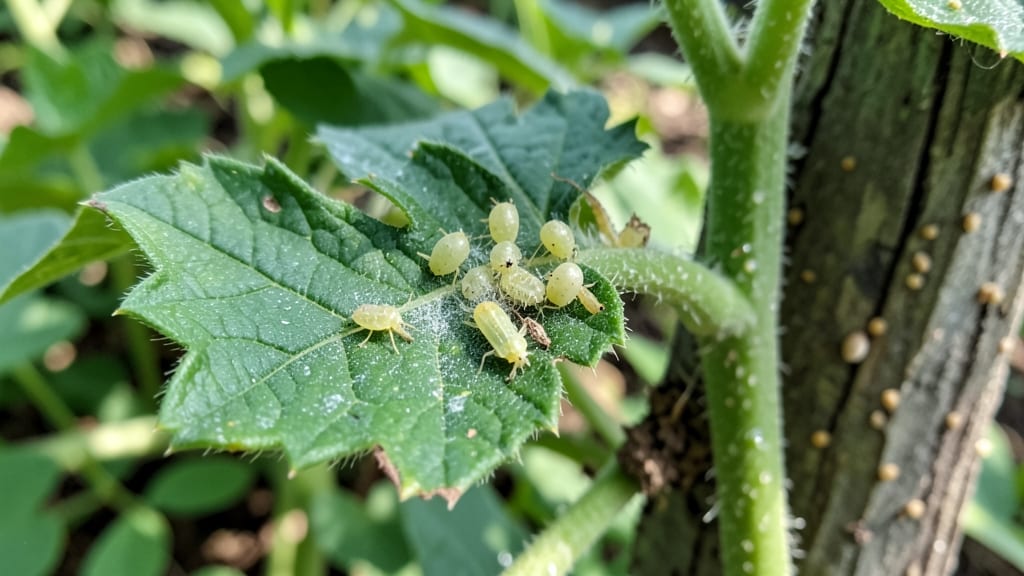
Bugs on tomato plant leaves are the fastest way to turn a thriving harvest into sad, skeletonized vines. 🌱 I’ve spent three summers watching aphids drain my plants and hornworms strip leaves overnight—until I learned the telltale signs and quick fixes that actually work.
The worst offenders—aphids, spider mites, and hornworms—don’t just chew leaves; they spread diseases and stunt growth. Aphids cluster on new shoots, spider mites weave fine webs on undersides, and hornworms leave behind jagged, half-eaten foliage.
The good news? Most can be stopped with a spray bottle, neem oil, or a few strategic companion plants.
Within 24 hours of treatment, you’ll see fewer pests, and in a week, your plants will bounce back with fresh, vibrant leaves. The key is acting fast—before the bugs multiply—and using methods that won’t harm your soil or future harvests.
This works for both backyard gardens and container-grown tomatoes, no matter your experience level. Let’s get those leaves healthy again—before the bugs win.
Root Causes Behind Leaf Invaders
When tiny pests start feasting on your tomato leaves, it’s rarely just bad luck—there’s usually a mix of environmental, biological, and even human factors at play. Understanding why these bugs show up in the first place is the first step to kicking them out for good.
Below, we break down the most common triggers, from natural ecosystems to gardening mistakes, so you can address the real reasons your plants are under siege.
Tomato plants that are crowded, nutrient-deficient, or water-stressed become prime targets for pests. Here’s why:
- Weakened defenses: Healthy plants produce natural chemical signals (like volatile organic compounds) that repel insects. When plants are stressed—due to poor soil, drought, or overwatering—they can’t produce these defenses effectively.
- Shelter for pests: Dense foliage creates hiding spots for bugs like aphids, whiteflies, and spider mites. These pests thrive in shaded, humid microclimates, which overcrowding encourages.
- Nutrient imbalances: A lack of nitrogen, phosphorus, or potassium weakens plant cell walls, making them easier for pests to pierce and feed on. For example, aphids are drawn to new growth that’s high in sugars—a sign of nitrogen excess.
💡 Pro Tip: Space tomato plants 18–24 inches apart for airflow, and conduct a soil test to ensure balanced nutrients. Mulch with straw or grass clippings to retain moisture without overwatering.
Pests don’t just appear—they’re lured by specific weather patterns. Tomato leaves become a buffet when:
- High humidity: Bugs like whiteflies and fungus gnats love moist environments. Humidity above 70% creates the perfect breeding ground, while also weakening plant resilience.
- Warm temperatures: Many pests, such as hornworms and stink bugs, are cold-blooded and become more active in temperatures above 75°F (24°C). Warmer nights also slow down beneficial predators like ladybugs.
- Drought stress: While overwatering causes rot, underwatering stresses plants, making them produce sticky honeydew—a magnet for ants and aphids.
🌡️ Actionable Fix:
- Use a hygrometer to monitor humidity; aim for 40–60% in the growing area.
- Install a shade cloth (30–50%) if your region experiences extreme heat.
- Water deeply once or twice weekly (depending on climate) to encourage deep root growth, reducing stress.
Gardens are mini-ecosystems, and when one species (like pests) gets out of control, it’s often because their natural predators are missing. Common disruptions include:
| Cause | How It Attracts Pests | Example Pests |
|---|---|---|
| Lack of beneficial insects | Without ladybugs, lacewings, or parasitic wasps, aphids and mites multiply unchecked. | Aphids, spider mites |
| Monoculture planting | Planting only tomatoes (or other related plants) creates a food desert for pollinators and predators, making pests more aggressive. | Colorado potato beetles, whiteflies |
| Weeds and debris | Weeds harbor pest eggs and alternative food sources (e.g., dandelions for aphids). | Cabbage worms, stink bugs |
✨ Solution: Introduce companion plants like basil, marigolds, or nasturtiums to attract predators. Avoid chemical pesticides, which can kill both pests and their natural enemies.
Sometimes, well-meaning gardening practices accidentally roll out the welcome mat for bugs. Here’s what might be happening:
- Over-fertilizing with nitrogen: Lush, soft new growth is a delicious snack for pests like aphids and hornworms. Slow-release fertilizers (like compost or worm castings) are safer than quick-release options.
- Ignoring old plant debris: Leaving last year’s tomato stems or fallen leaves provides shelter for overwintering pests (e.g., tomato fruitworms or whitefly pupae).
- Using contaminated tools or soil: Tools shared with infested plants or fresh soil from unknown sources can introduce eggs or larvae. Always sterilize pruners with rubbing alcohol.
- Planting too early: Young tomato seedlings are vulnerable to flea beetles and cutworms. Wait until soil temps reach 60°F (15°C) before transplanting.
🔥 Quick Fix: Rotate crops annually, remove all plant debris by fall, and disinfect tools between uses. If repotting, sterilize soil with a baking soda solution (1 tbsp per gallon of water) to kill hidden pests.
Quick Fixes for Leaf Invaders
Got tiny troublemakers munching on your tomato leaves? Don’t panic—most pests are manageable with the right approach! Below, we’ll tackle the most common culprits with targeted, easy-to-follow solutions, from organic sprays to cultural fixes. Plus, we’ll share prevention tips to keep your plants pest-free long-term.
Signs: Sticky residue (honeydew), curled leaves, clusters of small green/black bugs. Why they’re bad: They weaken plants, spread viruses, and attract ants.
How to Eliminate Them
- 💦 Blast Them Off
- Spray aphids directly with a strong stream of water (early morning works best).
- Repeat every 2–3 days until gone.
- 🌿 Soap or Neem Oil Spray (Best for organic gardens)
- Mix 1 tbsp mild liquid soap (like Castile) + 1 tsp neem oil + 1 quart water in a spray bottle.
- Apply to undersides of leaves (where aphids hide).
- Reapply every 5–7 days.
- 🐝 Introduce Beneficial Insects
- Ladybugs and lacewings love aphids. Buy them online or attract them with dill or fennel plants nearby.
💡 Prevention Tips
- Inspect new plants before bringing them home (aphids hitchhike easily).
- Encourage airflow—crowded plants attract more pests.
- Plant marigolds nearby; their scent repels aphids.
Signs: Fine webbing on leaves, yellow stippling (tiny dots), leaves turn bronze. Why they’re bad: They thrive in dry heat and drain plant sap, causing leaf drop.
How to Eliminate Them
- 🌧️ Increase Humidity
- Spider mites hate moisture. Mist plants daily or place a tray of water near them.
- Use a hose to rinse leaves (they’re tiny but vulnerable to water pressure).
- 🧼 Neem Oil or Horticultural Oil
- Mix 1 tbsp neem oil + 1 tsp dish soap + 1 quart water.
- Spray thoroughly (they hide on leaf undersides) every 3–4 days.
- 🔍 Prune & Destroy Bad Leaves
- Cut off severely infested leaves and dispose of them (don’t compost!).
💡 Prevention Tips
- Avoid over-fertilizing (too much nitrogen = more mites).
- Keep plants hydrated—drought stress attracts them.
- Use reflective mulch (like aluminum foil) to disorient them.
Signs: Tiny white moth-like bugs fluttering when you disturb leaves, sticky residue. Why they’re bad: They weakens plants and excrete honeydew (which grows sooty mold).
How to Eliminate Them
- 🕯️ Yellow Sticky Traps
- Hang yellow cards coated with petroleum jelly near plants to trap adults.
- 🍳 DIY Spray: Soap & Water
- Mix 1 tbsp castile soap + 1 quart water and spray directly on leaf undersides (where they lay eggs).
- Repeat every 3–5 days.
- 🌿 Beneficial Wasps (Parasitic Wasps)
- These tiny wasps lay eggs inside whitefly larvae. Buy them online or attract them with healthy, thriving plants.
💡 Prevention Tips
- Isolate new plants for 2 weeks to check for pests.
- Remove yellowing leaves (whiteflies love weak spots).
- Avoid overwatering—they thrive in damp, warm conditions.
Signs: Large green caterpillars with white stripes, half-eaten leaves, black droppings. Why they’re bad: They devour leaves overnight—one worm can defoliate a plant in days!
How to Eliminate Them
- 👨🍳 Handpick & Drop in Soapy Water
- Wear gloves and pluck them off (they’re fast but slow-moving).
- Drop them into a bucket of soapy water (they’ll drown instantly).
- 🐛 Attract Their Predators
- Praying mantises, birds, and parasitic wasps eat hornworms. Plant dill, basil, or marigolds to attract them.
- 🍄 Bacillus Thuringiensis (Bt)
- A natural bacteria spray that kills caterpillars but is safe for humans/plants.
- Follow package instructions—reapply after rain.
💡 Prevention Tips
- Remove egg masses (tiny white clusters on leaves).
- Plant basil nearby—hornworms avoid it!
- Rotate crops to disrupt their life cycle.
Want to keep bugs off your tomatoes for good?
Follow these proactive steps: - 🌿 Rotate crops yearly to prevent pest buildup. - 🌞 Provide sunlight (healthy plants resist pests better). - 🚰 Water at the base (not leaves) to avoid fungal pests. - 🔍 Inspect plants weekly—catch infestations early! - 🌼 Plant companion flowers (marigolds, nasturtiums) to repel pests.
Remember: Most pests are easy to control if caught early. Try one method at a time, monitor progress, and adjust as needed. Your tomato plants will thank you with juicy, blemish-free fruit! 🍅✨
Frequently asked questions
What are the most common bugs that attack tomato plant leaves?
The worst offenders include aphids (tiny green/black clusters), hornworms (large green caterpillars with white stripes), spider mites (creating fine webs and yellow stippling), and whiteflies (tiny white moths that flutter when disturbed). Each leaves distinct damage patterns—aphids cause curled leaves, hornworms create jagged holes, and mites turn leaves bronze.
How do I tell if my tomato leaves have spider mites or just powdery mildew?
Spider mites create fine webbing on leaf undersides and leave tiny yellow dots (stippling) while powdery mildew appears as a white, dusty coating on both sides. Hold a white sheet under the plant—mites will leave a trail of fine webbing when you shake the leaves, while mildew won’t. Also, mites thrive in dry heat, while mildew loves humidity.
Can I use vinegar spray to kill bugs on tomato leaves?
Yes, but with caution! A 1:1 vinegar-water mix (1 part white vinegar to 1 part water) kills soft-bodied pests like aphids and whiteflies on contact. However, avoid spraying directly on leaves—use a spray bottle with a fine mist and target the undersides where bugs hide. Reapply every 3–4 days, and test a small area first to avoid leaf burn.
Why do I keep getting hornworms even after treating my plants?
Hornworms reproduce fast—a single female lays 2,000+ eggs in her lifetime! Check for tiny white egg clusters on leaves and remove them immediately. Also, hornworms are attracted to healthy, lush tomato plants, so avoid over-fertilizing. Introduce parasitic wasps (their natural predators) or handpick them daily at dawn when they’re sluggish.
Are there any companion plants that naturally repel tomato leaf pests?
Plant basil nearby—it confuses pests with its scent and deters hornworms. Marigolds repel aphids, whiteflies, and even nematodes, while nasturtiums attract aphids away from your tomatoes. For spider mites, try chives or garlic, as their strong aroma disrupts mite feeding. Interplant these every 3–4 feet around your tomato patch for best results.