
Pests
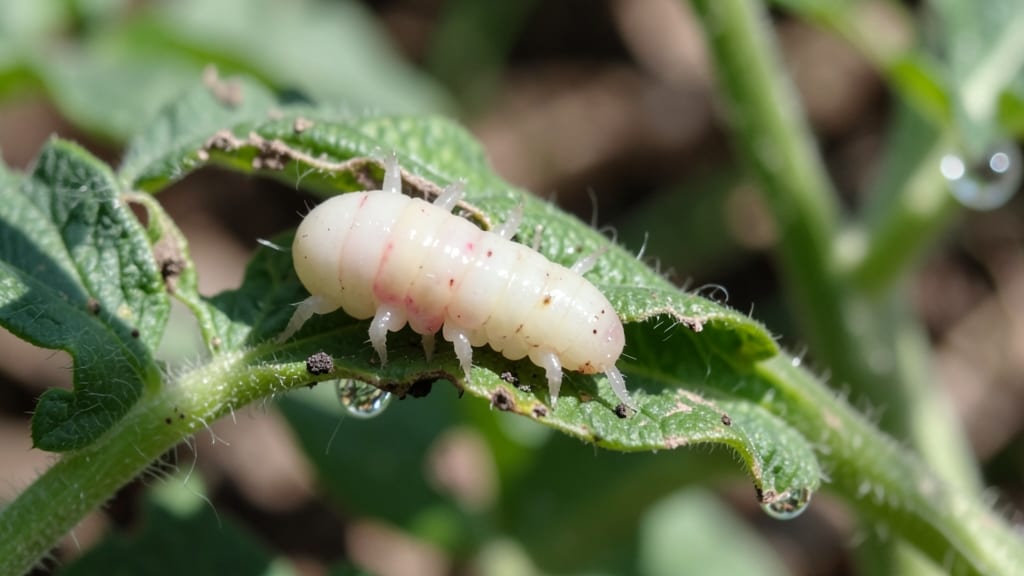
Tomato plant grubs are the sneaky culprits behind chewed stems and wilting vines—until I learned these three simple steps to kick them out for good. 🌱 The first time I spotted those half-inch white grubs munching on my heirloom tomatoes, I panicked.
What I didn’t know then was how easy it is to outsmart them without harsh chemicals.
These pests thrive in moist, organic soil, so the solution starts with dry, healthy plants. I’ve found that neem oil spray (applied at dusk) disrupts their life cycle while keeping beneficial insects safe.
The key is consistency—repeat every 7-10 days until harvest. No fancy tools needed, just a spray bottle and a little patience.
Once you’ve got the grubs under control, focus on prevention. Crop rotation throws off their breeding patterns, while marigolds planted nearby act as natural repellents. Your tomatoes won’t just survive—they’ll thrive with fewer chewed leaves and stronger stems. The best part? Your soil stays balanced for next season’s harvest.
This method works for backyard gardens, containers, or even small urban plots. No more losing plants to hidden grubs—just simple, sustainable results. Ready to reclaim your tomato patch?
Root Causes Of Grub Infestations
If your tomato plants are suddenly wilting, stunted, or sporting jagged holes in their leaves, grubs might be the unseen culprits. These plump, C-shaped larvae—often offspring of beetles or flies—target roots, stems, and foliage with alarming efficiency. But why do they zero in on your prized tomato plants?
The answer lies in a mix of environmental factors, plant health, and even your garden’s ecosystem. Let’s break down the key reasons these pests invade your crops—and how to spot the warning signs before damage spirals.
Healthy tomato plants naturally repel pests through strong secondary metabolites (chemical compounds like alkaloids and terpenes) and robust root systems. But when plants are stressed, they become easy targets:
- Nutrient Deficiencies: Low nitrogen (_N_) or phosphorus (_P_) weakens roots, making them softer and more palatable. Test your soil—grubs thrive in soil with a pH below 6.0 or above 7.5, where essential nutrients like potassium (_K_) are locked away.
- Overwatering or Poor Drainage: Waterlogged roots (or those in compacted soil) rot and emit volatile organic compounds (VOCs) that attract grub parents—like Japanese beetles or fungus gnats. Check for soggy soil or gnawed roots near the stem base.
- Fungal or Bacterial Infections: Grubs seek out plants already compromised by Verticillium wilt or early blight. The fungi’s decaying tissue provides a nutrient-rich buffet. Look for yellowing leaves with brown veins or blackened stems.
Pro Tip: 💡 Mulch with straw or wood chips to improve soil aeration and deter grubs—these pests avoid dry, well-drained environments.
Grubs don’t appear out of nowhere—they’re the larvae of beetles, flies, or weevils that actively choose where to deposit their eggs. Tomatoes are a magnet for these adults because:
- Sweet Smells and Nectar: Tomato flowers and ripe fruit emit volatile organic compounds (VOCs) like linalool and β-caryophyllene, which lure adult beetles (e.g., Japanese beetles or June bugs). Prune spent blossoms to reduce attractants.
- Host Plant Preference: Many grub species, like the Southern root-knot nematode or Colorado potato beetle larvae, have evolved to target Solanaceae plants (tomatoes, peppers, potatoes). Rotate crops annually to break the cycle.
- Warm, Moist Soil: Adults seek out garden beds that retain heat and moisture—ideal for egg-laying. Avoid tilling in late summer, as it exposes eggs to the surface where they hatch faster.
Warning Sign: 🔥 If you spot chewed leaves with a lace-like pattern or small, white eggs clustered on undersides, adult beetles are nearby. Act fast—they lay 40–60 eggs in 48 hours!
Grubs flourish when natural predators are scarce or outcompeted. Common imbalances include:
- Lack of Beneficial Nematodes: Steinernema carpocapsae and Heterorhabditis bacteriophora nematodes hunt grubs naturally. If your soil lacks these microscopic allies (often due to broad-spectrum pesticides), grub populations explode. Test soil for nematode levels—healthy gardens have 10,000–50,000 per square foot.
- Monoculture Planting: Gardens with only tomatoes or other Solanaceae plants create a grub buffet. Diverse gardens with marigolds, basil, or nematode-attracting crops disrupt their life cycle. Interplant with chives or garlic—their sulfur compounds repel egg-laying adults.
- Overuse of Synthetic Fertilizers: High-nitrogen fertilizers (like urea) boost fast but weak growth, which grubs devour eagerly. Switch to compost or balanced organic fertilizers (e.g., 5-5-5 NPK ratio) to encourage tougher roots.
Pro Tip: ✨ Invite predator insects like ground beetles (Carabidae) and parasitic wasps (Tachinidae) by leaving leaf litter or planting dill or fennel—their larvae feast on grubs.
Understanding these triggers is half the battle. The good news? Grubs are preventable—and organic eradication starts with addressing the root causes (pun intended). Next, we’ll cover 3 science-backed steps to kick them out of your garden for good.
Quick Fixes for Tomato Plant Grubs
Got grubs munching on your tomato roots? Don’t panic—these organic, effective solutions will help you reclaim your garden without harsh chemicals. Below, we’ve matched common causes to targeted fixes, plus prevention tips to keep your plants thriving.
Cause: Adult beetles lay eggs near tomato roots, hatching into grubs that feast on roots and stems. Fix:
- Inspect roots 🔍 after uprooting affected plants—look for fat, white grubs (½-inch long).
- Drop them in soapy water 🧼 to kill them instantly (or crush them if you’re feeling hands-on).
- Replant in fresh soil after removing all visible grubs.
Pro Tip: 💡 Do this in the early morning when grubs are sluggish and easier to spot.
Cause: Grubs thrive in moist, organic soil—neem oil disrupts their life cycle. Fix:
- Mix 1 tbsp neem oil + 1 tsp mild soap + 1 quart water in a spray bottle.
- Spray soil and plant bases 🌱 thoroughly (focus on root zones).
- Reapply every 5–7 days until no new grubs appear.
Pro Tip: 🌡️ Apply in the evening to avoid burning plants in direct sunlight.
Cause: Grubs are helpless against microscopic nematodes (Heterorhabditis bacteriophora). Fix:
- Buy beneficial nematodes (available online or at garden centers).
- Water soil 1–2 hours before applying—nematodes need moisture to move.
- Apply at dusk 🌇 with a sprayer or watering can, covering the root zone evenly.
- Reapply every 4–6 weeks for prevention.
Pro Tip: ✨ Avoid chemical pesticides—they’ll kill the nematodes too!
Cause: Grubs avoid sharp, abrasive surfaces—diatomaceous earth (DE) dehydrates them. Fix:
- Sprinkle food-grade DE 🏺 around the base of plants (avoid direct contact with leaves).
- Reapply after rain or watering (it washes away).
- Combine with mulch to keep it in place.
Pro Tip: 🎯 Wear a mask—DE is dusty and should never be inhaled.
Cause: Beetles (like Japanese beetles) are drawn to tomato plants. Fix:
- Plant trap crops 🌿 like marigolds or nasturtiums nearby—they lure beetles away.
- Rotate crops yearly—don’t plant tomatoes, potatoes, or eggplants in the same spot.
- Handpick beetles 🪰 in the morning (they’re slow then!) and drop them in soapy water.
Pro Tip: 🔥 Interplant with basil—its scent repels beetles naturally!
Cause: Poor soil drainage or over-fertilization attracts grubs. Fix:
- Improve drainage with compost or sand 🏗️—grubs hate dry, aerated soil.
- Use row covers 🛡️ early in the season to block adult beetles.
- Avoid overwatering—grubs thrive in soggy soil.
Pro Tip: 💪 Strengthen plants with compost tea—they’ll bounce back faster from mild damage!
Final Reminder: Consistency is key! Grubs take time to eradicate, but with these methods, your tomato plants will thrive grub-free in no time. 🍅✨
Frequently asked questions about tomato plant grubs
What do tomato plant grubs look like?
These pests are small, ½-inch-long, fat, white or cream-colored larvae with a slightly curved shape. You’ll often find them burrowed in soil near roots or hiding under leaves. They have tiny legs and no wings—unlike the adult beetles that lay their eggs.
How do I know if my tomato plants have grubs?
Watch for wilting plants, chewed stems, or yellowing leaves that don’t improve with watering. Dig near the base—if you see fat, white larvae feeding on roots, that’s your culprit. Adult beetles also leave behind small, white eggs clustered on leaf undersides.
Are tomato plant grubs harmful to humans or pets?
No, they’re not dangerous to touch or eat. However, some may carry mild parasites, so always wash hands after handling. Pets might accidentally ingest them while digging, but they won’t cause harm—just monitor your furry friends if you’re treating the garden.
Can I use chemical pesticides for tomato grubs?
Chemical pesticides like imidacloprid or carbaryl can kill grubs, but they harm beneficial insects and disrupt your garden’s ecosystem. For organic solutions, try neem oil, beneficial nematodes, or diatomaceous earth instead—they’re safer and just as effective.
How long does it take to get rid of tomato grubs?
With consistent organic treatments, you’ll see improvement in 2–4 weeks. Grubs take time to die off, so reapply neem oil every 5–7 days or nematodes every 4–6 weeks. Prevention (like crop rotation and companion planting) keeps them from returning long-term.