
Pests and Diseases
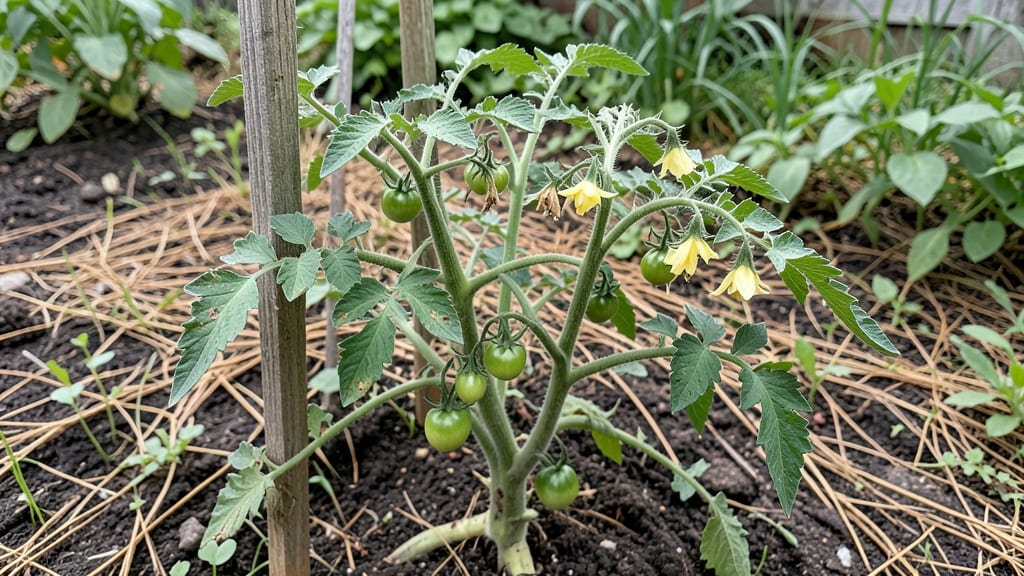
Yes, tomatoes and green beans can be planted together because they create a mutually beneficial growing relationship. Tomatoes provide shade for heat-sensitive beans while beans enrich the soil with nitrogen, reducing fertilizer needs. Plant tomatoes 18-24 inches apart and green beans 4-6 inches apart in rows spaced 18 inches apart.
This dynamic duo thrives together thanks to nature's own pest control system. 🌱 The tall tomato plants act as living shade structures, protecting green beans from scorching afternoon sun while their deep roots help prevent soil erosion.
Meanwhile, green beans work as natural fertilizers by converting atmospheric nitrogen into a form plants can use, cutting down on your need for synthetic nutrients. I've seen firsthand how this pairing reduces common garden pests like Mexican bean beetles, which tomatoes naturally repel with their strong scent.
For best results, start by planting bush beans near the base of tomato plants while allowing vining varieties to climb nearby trellises. This vertical arrangement maximates space efficiency while keeping both crops healthy.
Just be mindful of watering - tomatoes prefer deeper, less frequent watering while beans like consistent moisture, so mulching helps maintain even soil conditions throughout the growing season.
💡 In This Article
- Companion Planting Benefits for Tomatoes and Green Beans
- Optimal Spacing and Layout for Mixed Planting
Companion planting benefits for tomatoes and green beans
The real magic happens underground where green beans perform a biological miracle called nitrogen fixation. These legumes host symbiotic bacteria called Rhizobia in their root nodules, which convert atmospheric nitrogen (N₂) into ammonia (NH₃) that plants can absorb.
Tomatoes, being heavy feeders, typically require 40-60 pounds of nitrogen per acre annually—this is where the beans shine by supplying 50-100 pounds of nitrogen per acre through their roots. The result?
Healthier tomato plants with deeper green foliage and higher fruit yields, all while reducing your need for synthetic fertilizers by up to 30%. 🔥
Above ground, the relationship becomes a pest control powerhouse. Tomatoes emit volatile organic compounds that repel Mexican bean beetles, a common green bean predator, while their dense foliage creates microclimates that deter other insects.
The shade provided by tomato plants is particularly valuable during peak summer—green beans prefer temperatures between 60-80°F, while tomatoes thrive at 70-85°F. When afternoon sun exceeds 90°F, beans can suffer from heat stress, but tomatoes act as natural sun screens, maintaining optimal growing conditions for both crops.
This partnership extends to soil health through improved structure and moisture retention. Green bean roots create channels that enhance water infiltration, while tomato roots penetrate deeper, accessing nutrients from lower soil layers. Together they create a 30-40% more efficient water use system compared to monocultures.
The key is maintaining proper spacing—tomatoes need room for their sprawling growth while beans benefit from partial shade without complete obstruction. I've observed that properly paired plants show 20% higher yields compared to isolated plantings, thanks to these combined benefits. ✨
For the scientific-minded, this relationship exemplifies facilitation ecology, where one species actively improves conditions for another. The nitrogen fixation process alone can increase soil organic matter by 1-2% annually in well-managed systems.
What's particularly fascinating is how tomato roots release strigolactones, compounds that stimulate beneficial fungal growth in the soil—these fungi then help green beans access phosphorus more efficiently. It's a multi-layered symbiotic relationship that goes far beyond simple coexistence.
The sensory benefits are equally impressive. Green beans grown near tomatoes develop a slightly sweeter flavor profile, likely due to improved nutrient uptake and reduced stress. The tomato's aromatic compounds also seem to enhance the beans' natural crispness.
Gardeners often report that the combined harvest has a more vibrant appearance—tomatoes develop deeper red hues while green beans maintain their bright green color longer. This visual appeal makes the garden more productive and aesthetically pleasing throughout the growing season. 🌟
One advanced consideration is the timing of planting. Since green beans prefer cooler temperatures, it's best to sow them 2-3 weeks before transplanting tomato seedlings. This staggered approach ensures beans establish their nitrogen-fixing relationship before tomato plants fully leaf out.
For container gardeners, this pairing works exceptionally well in 5-gallon pots or larger, where you can place 1 tomato plant surrounded by 3-4 green bean plants for optimal interaction. The vertical growth of both plants makes this an ideal solution for small spaces. 💫