
Planting
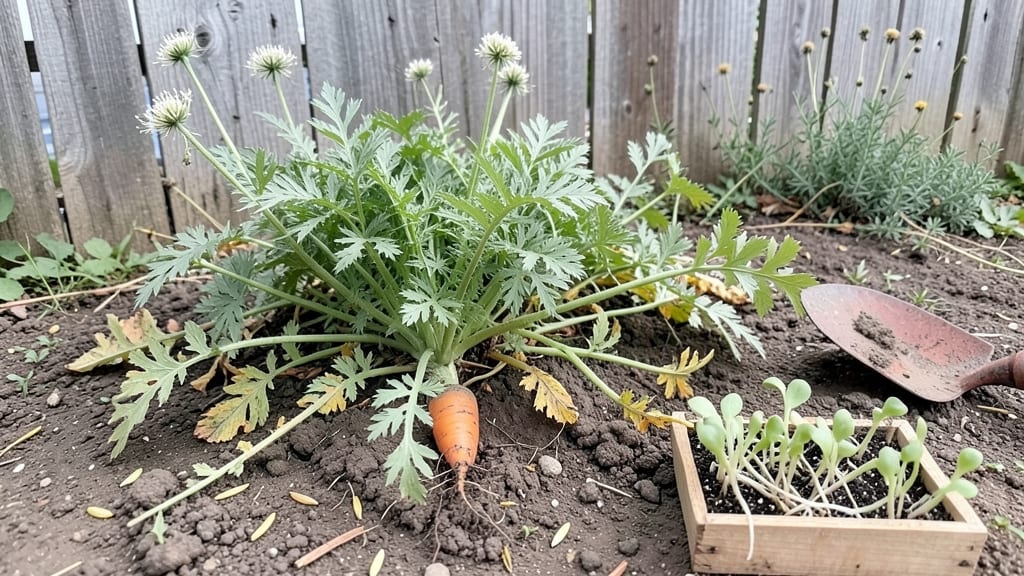
Here are some carrots planting tips you won’t want to miss—starting with loose, stone-free soil packed with organic matter, because nothing beats the joy of pulling out perfectly straight, sweet roots. 🌱 few simple adjustments, you can turn your garden into a carrot factory.
The secret lies in amending the soil with compost before planting, ensuring seeds have room to stretch without hitting obstacles.
Once your soil is prepped, sow seeds directly in rows about ¼ inch deep, spacing them 1–2 inches apart. Thin seedlings to 2–3 inches when they’re 2 inches tall—this prevents overcrowding and gives each carrot space to grow.
For containers, use deep pots (at least 12 inches) and plant seeds in a loose, well-draining mix. The key is patience: germination can take 2–3 weeks, so keep the soil consistently moist but not soggy.
📚 In This Guide
- What you need
- Instructions
- Tips and common mistakes
- Wrapping up and next steps
What you need
- ● Carrot seeds – Choose heirloom or hybrid varieties (e.g., 'Nantes,' 'Danvers,' or 'Paris Market'). Aim for 1–2 grams per 10 feet of row (about 1,000–2,000 seeds).
- ● Well-draining soil – Loose, sandy loam with a pH of 6.0–6.8. Avoid clay or rocky soil (unless amended).
- ● Garden bed or containers – At least 12 inches deep (shallow beds stunt root growth!). Containers need drainage holes.
- ● Compost or aged manure – Mix 2–3 inches into the top 12 inches of soil for nutrients.
- ● Garden fork or tiller – Loosen soil to 12–18 inches deep to prevent forking.
- ● Rake or hoe – Create fine, furrows ½ inch deep for seeds (carrots are tiny!).
- ● Watering can or hose with a gentle spray nozzle – Keep soil consistently moist (not soggy!).
- ● Row marker or sticks – Mark rows 12–18 inches apart for easy thinning later.
- ● Seedling starter kit – For cold climates, start seeds indoors 6–8 weeks before last frost (transplant carefully!).
- ● Mulch (straw or grass clippings) – Retains moisture and suppresses weeds. Apply 1–2 inches after germination.
- ● Fertilizer (low-nitrogen) – Use a 5-10-10 or 10-20-20 formula sparingly (over-fertilizing causes forked roots!).
- ● Plant labels – Track varieties if growing multiple types.
- ● Harvest knife or fork – For clean, damage-free digging.
Step-by-Step instructions for planting carrots like a pro
Here's the foolproof method I use to grow carrots that stay straight and sweet every season.
🌱 Step 1: Prepare the Perfect Loose Soil
Carrots need soil so loose they practically melt into it. Start by removing all rocks, clumps, and debris from your planting area using the garden fork. I dig in a 2-inch layer of coarse sand first—this prevents soil from packing around the roots as they grow. Then, mix in the 2 cups of compost per foot of row to provide nutrients without compacting the soil.
Work the fork gently to create a seedbed with a fine, crumbly texture. Think of it like fluffing a pillow—you want a soft, airy medium where roots can push through without resistance. If your soil is naturally heavy clay, add an extra inch of sand. Press down lightly after mixing to settle everything, then rake the surface smooth.
💧 Step 2: Create a Fine Seedbed and Plant Properly
Use the rake to create shallow furrows just ¼ inch deep—carrot seeds are tiny, so precision matters. Space the rows 12 inches apart to give roots room to spread. I sprinkle seeds thinly along the furrow, spacing them about ½ inch apart. The packet says to plant 2-3 seeds per inch, but I halve that to avoid overcrowding and ensure straight growth.
Cover the seeds with a thin layer of fine sand instead of soil—it germinates faster and prevents soil from packing around the seeds. Mist the area lightly with water until the sand looks evenly moist but not soggy. A heavy watering will bury seeds too deep, delaying germination. Place a small marker at each end of the row so you don’t disturb them while waiting for sprouts.
☀️ Step 3: Maintain Consistent Moisture and Thin Seedlings
Keep the soil evenly moist (not waterlogged) until germination, which takes 10-14 days. I water gently in the morning using the spray nozzle so the force doesn’t dislodge seeds. Once seedlings appear, thin them to 2 inches apart when they’re 2 inches tall. Use scissors to snip unwanted sprouts at soil level—this prevents disturbing the roots of remaining plants.
Thinning might seem cruel, but crowded carrots grow forked and stunted. You’ll see the difference immediately: thinned carrots stand tall with smooth, straight tops. After thinning, water again to settle the soil around the remaining plants. Mulch with the straw to retain moisture and keep weeds at bay—just spread it 1 inch thick over the rows.
✂️ Step 4: Monitor Growth and Harvest at Peak Sweetness
Check soil moisture weekly—carrots need 1 inch of water per week, but more during dry spells. You’ll know they’re thirsty when the tops look wilted in the afternoon. I harvest baby carrots when they’re ½ inch thick by gently pulling them from the soil. For full-size carrots, wait until they reach ¾ inch in diameter—this usually takes 60-80 days depending on variety.
To test readiness, gently brush away soil around the tops and check root size. If they’ve filled out but still have a slight taper, they’re perfect. Pull them carefully to avoid breaking—grasp the greens and twist gently. If resistance is strong, wiggle side to side to loosen. Harvest in the morning when soil is moist, and store in a cool, dark place for up to a week.
Tips & tricks for perfect carrot planting
Straight carrots start with the right soil prep—these tricks make all the difference between crooked roots and perfect harvests.
The Sand Secret: That 2-inch layer of coarse sand in Step 1 isn't just about drainage—it prevents soil from packing around developing roots. I've found adding an extra inch when working with clay soil makes a huge difference. The sand should feel like flour when you squeeze it—this ultra-fine texture lets roots grow without resistance.
Precision Planting: In Step 2, those ¼-inch deep furrows might seem shallow, but carrot seeds need light to germinate. I use a ruler to verify depth—any deeper and you'll delay sprouts by weeks. For extra precision, mix seeds with dry sand before planting to distribute them evenly along the furrow.
Thinning Timing: The 2-inch spacing after thinning in Step 3 gives roots room to plump up without competing. I wait until seedlings reach exactly 2 inches tall before thinning—this ensures they've developed strong enough roots to survive the process. Use clean scissors to avoid disease transfer between plants.
Watering Wisdom: That 1 inch of water per week in Step 4 is crucial, but timing matters too. I water in the morning so soil has all day to absorb moisture before evening evaporation. For clay soils, split that weekly amount into two smaller waterings to prevent compaction.
Pro Tips for Carrots Planting Tips
- Straight carrots start with the right soil prep—these tricks make all the difference between crooked roots and perfect harvests.
- The Sand Secret: That 2-inch layer of coarse sand in Step 1 isn't just about drainage—it prevents soil from packing around developing roots.
- Precision Planting: In Step 2, those ¼-inch deep furrows might seem shallow, but carrot seeds need light to germinate.
Frequently asked questions
Got questions about growing perfect carrots? You’re not alone! Here are answers to the most common queries gardeners have when planting these crunchy delights.
When is the best time to plant carrots?
Carrots thrive in cool weather, so aim to plant them 2–3 weeks before your last frost date in spring or 8–10 weeks before your first frost in fall. Avoid planting in scorching heat—soil temps above 85°F can cause bitter, stunted roots. For year-round harvests, try successive planting every 2–3 weeks!
How long does it take for carrots to grow?
Most carrot varieties mature in 60–80 days, but baby carrots can be harvested in as little as 30–40 days. Check seed packets for specific timelines—some heirloom types may take longer. Patience pays off with sweeter, fuller roots!
Why are my carrots growing crooked or forked?
Crooked or forked carrots usually mean crowded roots, rocky soil, or uneven moisture. To fix this:
- Loosen soil thoroughly and remove stones before planting.
- Space seeds ¼ inch apart (thin seedlings to 2–3 inches).
- Water consistently—never let soil dry out.
If soil is too dense, try container growing with loose potting mix.
Can I plant carrots in containers?
Carrots grow well in deep containers (at least 12 inches tall) with well-draining soil. Choose short varieties like ‘Paris Market’ or ‘Little Finger’ for best results. Just ensure containers have drainage holes and keep soil consistently moist.
How do I keep pests like carrot flies away?
Carrot flies (and other pests) can be a nuisance, but these tips help:
- Use row covers early in the season to block flies.
- Interplant with leeks, onions, or rosemary—their strong scents repel pests.
- Rotate crops yearly to disrupt pest life cycles.
If flies are already present, remove affected plants immediately to prevent spread.
Wrapping up and next steps
Growing sweet, straight carrots is all about patience, the right soil, and a little love! 🌱 With these planting tips—like loose, well-draining soil, proper spacing, and consistent watering—you’re well on your way to a bountiful harvest. Don’t forget: even experienced gardeners start with a single seed!
Now that you’re armed with the soil secrets, it’s time to get your hands dirty. Start small—plant a few rows this season, experiment with varieties, and watch your garden transform. Happy planting! 🥕✨