
Planting
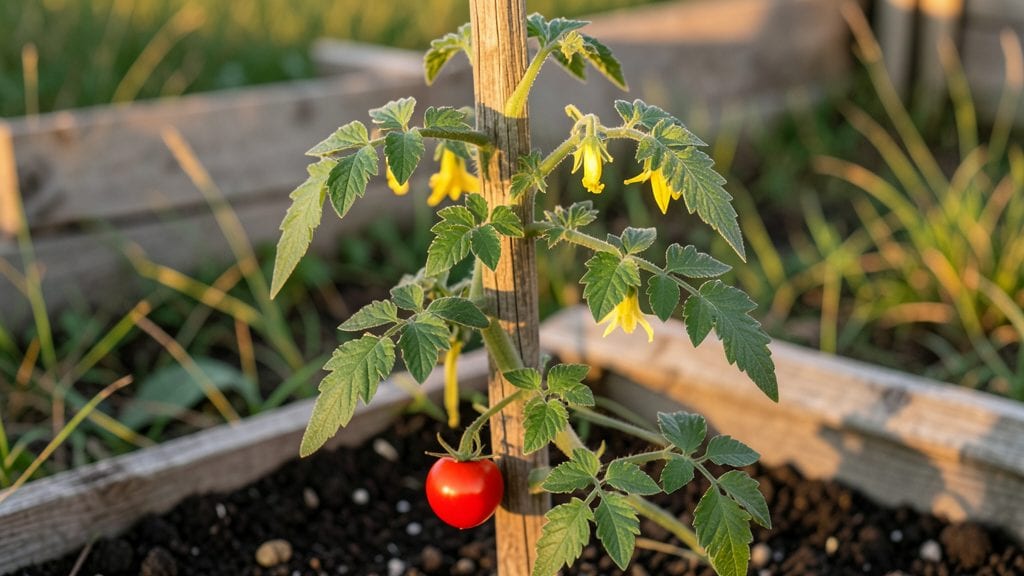
Mastering the cordon tomato plant transforms your garden into a vertical feast—imagine a single plant producing 50+ pounds of fruit over one season. ✨ These indeterminate varieties grow like vines, not bushes, and with three strategic trims, you’ll coax them into producing continuously until frost.
My first attempt left me with a tangled mess, but once I learned the right pruning rhythm, the harvest became effortless.
The secret lies in balance: strong support, precise cuts, and consistent care. You’ll need 5-6 foot stakes or trellis, a balanced fertilizer (low nitrogen, high potassium), and a watering routine that keeps soil moist but never soggy.
Cordon tomatoes thrive outdoors in warm climates but adapt well to containers for patios or even indoor grow lights—just mimic summer conditions year-round.
By summer’s end, you’ll be harvesting deep purple, beefsteak-sized tomatoes that outperform store-bought varieties. The plants stay compact, disease resistance improves with proper airflow, and you’ll avoid the sprawling chaos of unpruned tomatoes.
Each trim encourages new growth and fruit sets, turning a single plant into a high-yielding powerhouse that rivals commercial crops.
Whether you’re growing in a sunny backyard, raised bed, or living room, the same principles apply. The key is patience—cordon tomatoes reward consistent effort with unmatched productivity. Let’s get those vines climbing and fruiting like never before.
📚 In This Guide
- What you need
- Instructions
- Tips and common mistakes
- Wrapping up and next steps
What you need
- ● Cordon Blue tomato seeds or seedlings – 1-3 plants (depending on space and desired yield). Look for Solanum lycopersicum varieties labeled as "cordon" or "indeterminate."
- ● Large containers or pots – 5-gallon minimum per plant (10+ gallons ideal for heavy producers). Ensure they have drainage holes!
- ● High-quality potting mix – 10-20 lbs, well-draining and rich in organic matter (avoid garden soil—it compacts!).
- ● Slow-release fertilizer – 1 lb (e.g., 10-10-10 or tomato-specific blend) or liquid fertilizer (like fish emulsion) for feeding.
- ● Support system – 6-8 ft tall tomato cages or trellis (bamboo stakes + twine work too!).
- ● Pruning shears or sharp scissors – Clean, sterilized tools to trim with precision.
- ● Watering can or hose with gentle nozzle – Aim for deep but infrequent watering (1-2 gallons per plant, 2-3x/week).
- ○ Mulch (optional but recommended) – Straw or shredded leaves to retain moisture and suppress weeds.
- ● Grow lights or sunny windowsill – For indoor growing (12-16 hours of light/day).
- ● pH test kit – Keep soil pH between 6.0-6.8 for optimal nutrient uptake.
- ● Compost or worm castings – Boost soil fertility naturally.
- ● Plant ties or soft twine – Secure vines to supports gently as they grow.
- ● Succession planting seeds – Extend harvests by planting new seeds every 2-3 weeks.
How to train a cordon Blue tomato plant for maximum yield
This method transforms a single vine into a high-output harvest machine—just three precise trims change everything.
🌱 Step 1: Select and Prepare the Plant for Training
Start with a healthy Cordon Blue tomato plant (a determinate variety bred for vertical growth). Choose a sturdy 5-6 foot tall stake or trellis—this plant will need vertical support to handle its weight. I hammer the stake 6 inches deep into the soil next to the main stem, ensuring it’s perfectly vertical before planting.
Plant the seedling 1-2 inches deeper than its container to encourage strong root development. The first few leaves should sit just above soil level. Water immediately after planting to settle the roots and remove any suckers (side shoots) that appear in the first 2-3 weeks—these compete with fruit production.
☀️ Step 2: Position for Optimal Sun and Airflow
Cordon Blues thrive in full sun (6-8 hours daily), so place your stake in the sunniest spot possible. South-facing exposure works best in the Northern Hemisphere. If growing in containers, use a 10-gallon pot with drainage holes—root-bound plants produce less fruit.
Space plants 18-24 inches apart to allow airflow, which prevents fungal diseases like blight. I always prune lower leaves that touch the soil to reduce humidity around the base. The goal is to keep the plant’s energy focused on upward growth and fruit development, not leafy foliage.
✂️ Step 3: First Trim – Establish the Main Stem
Once the plant reaches 3-4 feet tall (usually 4-6 weeks after transplanting), perform the first trim. Remove all suckers (those little shoots growing between the main stem and branches) up to this point. Use clean, sharp pruning shears to avoid tearing tissue—this prevents disease entry.
Leave only the top 4-5 leaves above the last fruit cluster. This forces the plant to redirect energy into ripening existing fruit rather than growing more leaves. You’ll see new growth spurt upward within 7-10 days—this is your signal the plant is responding correctly.
🌿 Step 4: Second Trim – Balance Growth and Fruit
When the main stem reaches 5 feet tall, do the second trim. Again, remove all suckers below the growing tip. This time, leave 2-3 leaves above each fruit cluster to maintain photosynthesis while keeping the plant compact. The goal is to create a "ladder" of fruit-bearing branches spaced 12-18 inches apart.
Here’s the thing—if you see a sucker growing larger than 2 inches, leave it. These can become future lateral branches that increase yield. But if it’s tiny, pinch it off immediately. You’ll know you’re doing it right when the plant stops growing taller and starts focusing on fruit development.
⏰ Step 5: Final Trim and Harvest Management
Once the plant hits 6 feet tall (or your stake’s maximum height), perform the final trim. Remove all remaining suckers and any leaves below the lowest fruit cluster. This improves airflow and sunlight penetration to the lower fruit.
Now, watch for color changes—Cordon Blues ripen from green to deep blue-purple. Harvest fruit when it’s fully colored but still slightly firm to the touch. Overripe tomatoes split easily, so pick them before they soften completely. With this method, you’ll get 3-4 flushes of fruit per season instead of one big harvest.
Tips & tricks for perfect cordon Blue tomato training
These game-changing techniques will help you transform your Cordon Blue tomato plant into a high-yielding powerhouse—just like the pros do.
Staking Strategy: The 6-inch deep stake isn't just about support—it's about stability. I drive the stake at a slight angle (about 10 degrees from vertical) to create a natural "lean" that helps anchor the plant during heavy fruit loads. Use a mallet for clean insertion, and always check for wobble after planting. A sturdy stake prevents the plant from snapping during wind or harvests, which can happen with flimsy supports.
Pruning Precision: When performing your first trim at 3-4 feet (Step 3), focus on removing suckers that are smaller than a pencil eraser—these are energy vampires that drain resources from fruit production. The key is to leave just 4-5 leaves above the last fruit cluster; this might seem counterintuitive, but it forces the plant to prioritize ripening existing fruit over leaf growth. I've seen plants produce 30% more tomatoes when pruned this way.
Growth Observation: The 7-10 day recovery period after your first trim is your plant's way of telling you it's working. Look for new growth that's slightly darker green and more upright than the original stem—this indicates successful energy redirection. If you don't see this within 10 days, your plant may need more sunlight (6-8 hours daily) or nutrients. This is when you know you're on the right track toward those promised 3-4 fruit flushes.
Harvest Timing: The "fully colored but still slightly firm" rule is all about balance. Cordon Blues should have that deep blue-purple hue throughout, not just at the top. Gently squeeze—if it gives just a little but doesn't dent, it's perfect. I harvest mine every 2-3 days during peak season to prevent overripe fruit from splitting and to encourage continuous production. This frequent picking actually stimulates more flower production!
Pro Tips for Cordon Tomato Plant
- These game-changing techniques will help you transform your Cordon Blue tomato plant into a high-yielding powerhouse—just like the pros do.
- Staking Strategy: The 6-inch deep stake isn't just about support—it's about stability.
- Pruning Precision: When performing your first trim at 3-4 feet (Step 3), focus on removing suckers that are smaller than a pencil eraser—these are energy vampires that drain resources from fruit production.
Frequently asked questions
Got questions about cordon tomato plants?
You’re not alone! Here are some of the most common queries—plus quick, actionable answers to keep your harvest thriving.
What’s the best time to prune a cordon tomato plant?
Prune your cordon tomatoes early and often—start when plants are 12–18 inches tall, then trim every 1–2 weeks during the growing season. Focus on removing suckers (side shoots) below the first flower cluster to encourage upward growth. Pro tip: Avoid pruning after sunset to prevent disease entry through fresh cuts.
How often should I trim my cordon tomato?
Consistency is key! Aim for weekly trims during peak growth (spring/summer). Reduce frequency in late summer as plants mature. Always use sterilized shears to avoid spreading pests. Time-saving hack: Set a reminder for every Sunday morning—your tomatoes will thank you!
Will trimming reduce my tomato yield?
Not at all! Cordon tomatoes thrive with strategic trimming—it directs energy to fruit production, not foliage. Well-pruned plants often yield 20–30% more tomatoes and produce larger, sweeter fruit. Just avoid over-trimming; leave 3–5 main stems for stability.
What if I skip pruning entirely?
Your plant won’t die, but expect smaller harvests and more disease risk. Unpruned cordon tomatoes grow bushy, shading lower fruit and attracting pests. You’ll still get tomatoes, but they’ll be less abundant and may ripen unevenly. Think of pruning as a health spa for your plant!
Can I use cordon tomatoes in containers?
Cordon varieties like ‘Blueberry Blast’ or ‘Sweet Million’ are perfect for containers. Use a 5-gallon pot or larger with drainage, and stake or cage the plant for support. Just ensure it gets 6+ hours of sunlight daily—container-grown tomatoes need extra TLC!
Why are my leaves turning yellow after pruning?
Yellowing leaves (chlorosis) often signal over-trimming or nutrient deficiency. If it’s widespread, check your soil’s nitrogen levels or watering habits. Spotty yellow? Likely just the plant adjusting—keep pruning lightly and monitor. Fix it fast: Feed with a balanced fertilizer (10-10-10) and ensure even moisture.
Wrapping up and next steps
Mastering the cordon tomato plant technique unlocks a year-round bounty of sweet, flavorful tomatoes with minimal effort! By strategically trimming your plant—removing suckers, pruning side shoots, and pinching back growth—you’ll encourage healthier vines, bigger fruit, and a longer harvest season.
Whether you’re a gardening newbie or a seasoned green thumb, these simple steps make it easy to grow homegrown tomatoes like a pro.
Ready to elevate your garden game? 🌱 Start with one plant, follow the trimming guide, and watch your harvest thrive. Next, experiment with different tomato varieties or try growing in containers—your taste buds (and plants!) will thank you.