
Plants
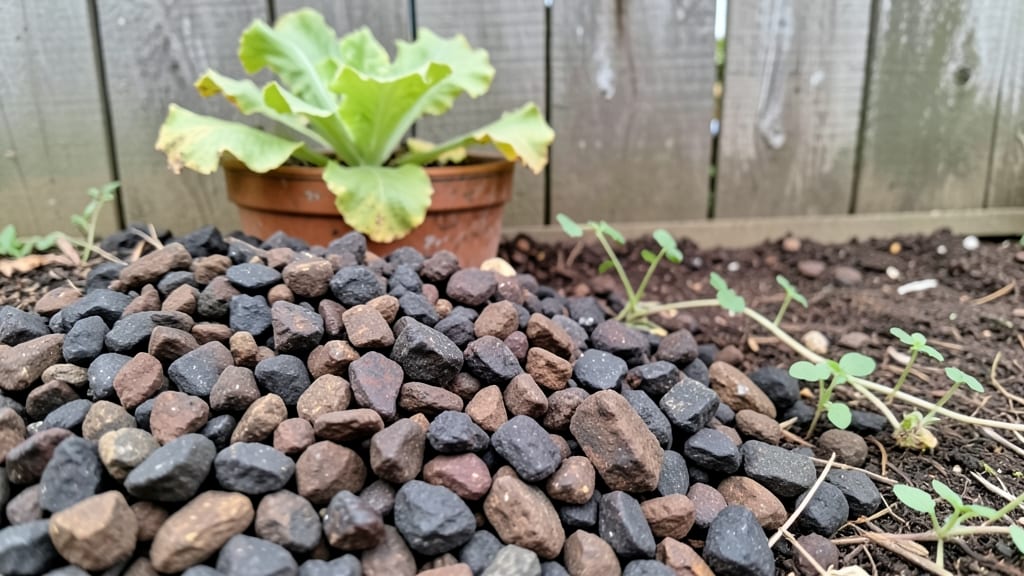
Using diatomaceous earth (DE) for plants works best as a targeted pest control solution that dehydrates soft-bodied insects like aphids and slugs, though improper use can disrupt beneficial soil organisms and pollinators. Success hinges on proper application and plant-specific compatibility.
DE's effectiveness comes from its microscopic, razor-sharp edges that pierce insect exoskeletons, causing rapid dehydration. 🔥 Unlike chemical pesticides, it breaks down harmlessly in sunlight, making it a popular choice for organic gardeners.
However, its fine particles can also harm earthworms and bees if spread too broadly—always use food-grade DE and apply it lightly in dry conditions. For houseplants, a thin dusting around stems works better than blanket coverage to protect beneficial insects while targeting pests.
Timing matters too: apply DE in the early morning or late evening when pests are most active but before rain can wash it away. I've found that mixing it with water creates a slurry for spot treatment on leaves, reducing overapplication risks.
Just remember—this isn't a fertilizer or soil amendment, so don't expect growth boosts beyond pest control.
💡 In This Article
- How Diatomaceous Earth Kills Pests and Affects Soil
- Safe DE Application Methods for Gardens and Houseplants
How diatomaceous earth kills pests and affects soil
Diatomaceous earth works as an insecticide because its microscopic particles—made from the fossilized remains of algae called diatoms—have razor-sharp edges measuring just 3-60 microns in size.
When these particles come into contact with soft-bodied insects like aphids, mites, or slugs, they pierce the waxy outer layer of their exoskeletons, causing rapid dehydration. Unlike chemical pesticides that rely on neurotoxins, DE physically disrupts the pest's moisture barrier, leading to death within 48 hours due to desiccation. 🔥
The effectiveness depends heavily on particle size: food-grade DE (with particles around 10 microns) works best for garden use, while finer grades (like pool-grade) can be too abrasive for plants. These particles also need to stay dry to maintain their sharpness—rain or moisture dulls their edges, reducing effectiveness.
In contrast, chemical pesticides often kill pests by interfering with their nervous systems or digestive processes, which can leave harmful residues in the soil.
When applied to soil, DE can impact microbial life differently depending on the amount.
Small quantities (1 pound per 100 square feet) generally pose minimal risk to beneficial bacteria and fungi, but heavier applications may temporarily reduce earthworm populations by 20-30% due to physical abrasion of their moist skin.
The pH of DE is neutral (7.0), so it doesn't alter soil acidity like lime or sulfur would, but its fine particles can clog soil pores if overused, reducing aeration. 🌱
One advantage DE has over synthetic pesticides is its breakdown process: it dissolves harmlessly in water over time, leaving no toxic residues. However, this also means it needs frequent reapplication (every 7-14 days) to maintain effectiveness against reinfestations.
For comparison, chemical pesticides often persist in the environment for weeks or months, accumulating in soil and potentially harming future crops. The key is precision—targeting only pest hotspots rather than broadcasting it across entire garden beds.
For houseplants, the risks are even more pronounced because the confined environment limits beneficial insects' ability to avoid contact. A light dusting around the soil surface (1 teaspoon per 6-inch pot) creates a protective barrier without harming the plant itself.
The powder's texture is ultra-fine and almost silky when dry, but it becomes gritty when moist—this change signals when reapplication is needed. 💫
What most gardeners don't realize is that DE's effectiveness varies by pest type: it's particularly lethal to slugs and snails (which have permeable skin) but less effective against hard-bodied insects like beetles or grasshoppers, whose exoskeletons resist the microscopic cuts.
This targeted action makes it a valuable tool in integrated pest management systems when used alongside other organic controls like neem oil or companion planting.