
Fertilization
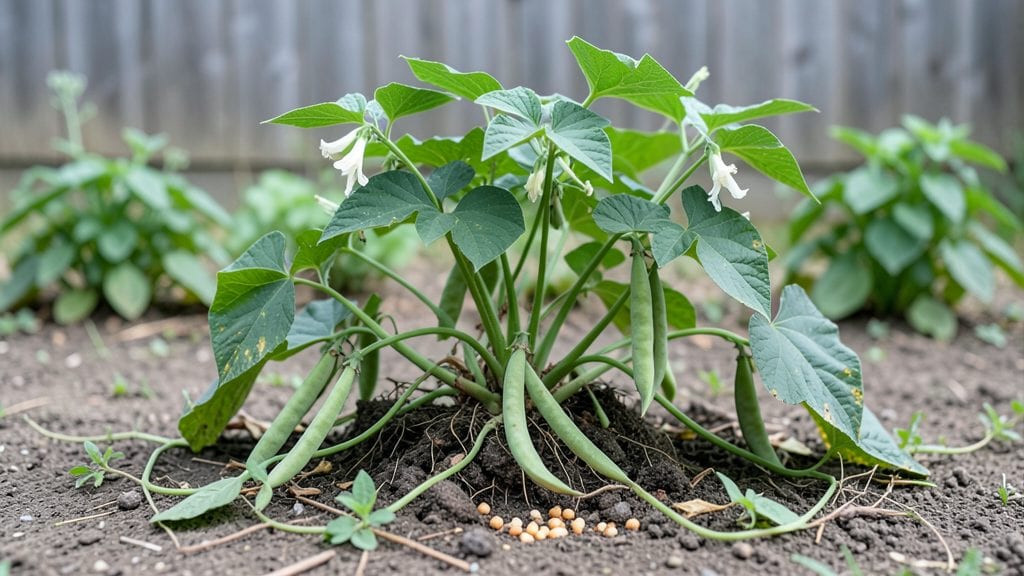
Fertilizing bean plants 🌱 is all about balance—too much nitrogen sends them into leafy overdrive, while too little phosphorus stalls those pods you’re craving.
Struggling to get your bean plants to thrive? The right fertilizer ratios can transform weak vines into high-yielding powerhouses—here’s how to master nitrogen, phosphorus, and potassium for bush and pole beans.
Beans are finicky about feeding: they fix their own nitrogen from the air, but still need phosphorus for strong roots and potassium for sweet pods. Skip the heavy hand with fertilizers, and you’ll end up with lush foliage but zero harvest.
In this guide, I’ll walk you through the best organic and synthetic options, when to feed, and how to spot nutrient deficiencies before they wreck your crop.
Optimal N-P-K ratios for bean plant growth stages (with soil test guide)
Beans are hungry plants that need the right balance of nutrients at every stage to produce those sweet, plump pods we all love.
The N-P-K ratio (nitrogen-phosphorus-potassium) is your secret weapon—too much nitrogen early on means lush leaves but no beans, while too little phosphorus can stall root and flower development. Let’s break down how to feed your beans at each critical phase, from seedling to harvest.
First, understand that beans are legumes, meaning they form symbiotic relationships with nitrogen-fixing bacteria in their roots. This reduces their need for nitrogen fertilizer compared to other crops.
However, they still require phosphorus for strong roots and potassium for fruit production. The key is adjusting your fertilizer strategy as your plants grow.
Before applying any fertilizer, conduct a soil test to determine your soil’s current nutrient levels. Most home gardeners can use a DIY test kit (available at garden centers for ~$20), while professional labs provide detailed reports.
Aim for a pH of 6.0-7.0—beans thrive in slightly acidic to neutral soil. If your soil is deficient in any nutrient, we’ll adjust the ratios accordingly.
Here’s how to interpret your soil test results for beans:
- High nitrogen (N): Your soil already has plenty—reduce or skip nitrogen-based fertilizers.
- Low phosphorus (P): Boost phosphorus to encourage root and flower growth.
- Low potassium (K): Increase potassium to support pod development and disease resistance.
Now, let’s dive into the optimal N-P-K ratios for each growth stage, tailored for both bush beans and pole beans. The goal is to maximize pod production without wasting resources.
🌱 Did You Know? Pole beans often need slightly more potassium than bush beans because their taller vines require extra energy for structural support.
For pole beans, increase potassium by 10-15% during the flowering and pod stages to support their taller growth habit. If your soil test shows deficiencies, consider a balanced fertilizer like 10-10-10 at planting, followed by a low-nitrogen, high-phosphorus-potassium fertilizer (e.g., 5-20-20) during flowering.
Organic gardeners can use composted manure (aged for 6+ months) or bone meal (for phosphorus) combined with wood ash (for potassium). Apply these sparingly—beans are sensitive to over-fertilization, especially with nitrogen. A handful of compost per plant at planting and again during flowering is often sufficient.
Watch for nutrient deficiency signs:
- Yellow leaves: Too much nitrogen or not enough iron.
- Purple stems: Phosphorus deficiency.
- Weak stems or poor flowering: Potassium or phosphorus deficiency.
Adjust your fertilizer plan based on these clues. For example, if your beans have purple stems but plenty of leaves, boost phosphorus immediately with a side-dressing of bone meal. If leaves are yellowing but stems are strong, reduce nitrogen and increase iron (use iron sulfate or chelated iron).
Remember, beans are self-sufficient nitrogen fixers, so resist the
Best organic vs synthetic fertilizers for bean plants (pros and cons)
Bean plants thrive when fed the right nutrients, but choosing between organic and synthetic fertilizers can be tricky. Too much nitrogen leads to lush leaves but fewer pods, while phosphorus and potassium support root growth and fruit development. Let’s break down the best options for your bush beans and pole beans.
Organic fertilizers like compost and manure improve soil health over time, while synthetic options like 5-10-10 provide quick, precise nutrition. Each has its place—here’s how to decide which works best for your garden. Avoid high-nitrogen fertilizers during flowering to prevent poor pod set.
Organic Fertilizers
✅ Pros
- Improves soil structure long-term
- Releases nutrients gradually
- Safe for compost systems
- Encourages beneficial microbes
Synthetic Fertilizers
✅ Pros
- Precise N-P-K ratios
- Fast nutrient uptake
- Easy to measure and apply
- Works in container gardens
❌ Cons
- Slow to break down
- May require larger quantities
- Risk of over-fertilizing if not balanced
❌ Cons
- Can burn roots if overused
- No soil improvement benefits
- Requires frequent reapplication
- Less sustainable long-term
Compost is my top organic choice for beans—it’s nutrient-dense and improves soil health without risking nitrogen overload. Work in 2-3 inches at planting time, then top-dress lightly every 4-6 weeks. For faster results, mix in aged manure (chicken or cow) at a 1:10 ratio with soil. Avoid fresh manure, which can burn roots.
If you prefer synthetics, a balanced 5-10-10 fertilizer is ideal for beans—it supports root growth (phosphorus) and pod production (potassium) without overdoing nitrogen. Apply 1 tablespoon per plant at planting, then again when flowers appear. For pole beans, increase potassium slightly (e.g., 5-10-15) to strengthen vines.
Watch for nutrient deficiencies: yellow leaves? Likely nitrogen deficiency (use compost or a light synthetic). Purple stems? Boost phosphorus with bone meal. Weak vines? Add potassium via wood ash or a potassium-rich fertilizer. Always water fertilizers in to prevent root burn.
For organic gardeners, fish emulsion is a great mid-season boost—it’s high in nitrogen but balanced enough for beans. Dilute to 1-2 tbsp per gallon of water and apply every 3-4 weeks.
Pair it with kelp meal for extra potassium during flowering. Synthetic lovers can use slow-release granules like Osmocote for steady nutrition without frequent applications.
Remember: beans fix their own nitrogen through root nodules, so go easy on high-nitrogen fertilizers. Focus on phosphorus and potassium during flowering and pod set for the best harvest. Rotate organic and synthetic options to keep soil healthy and plants thriving! 🌱