
Pests and Diseases
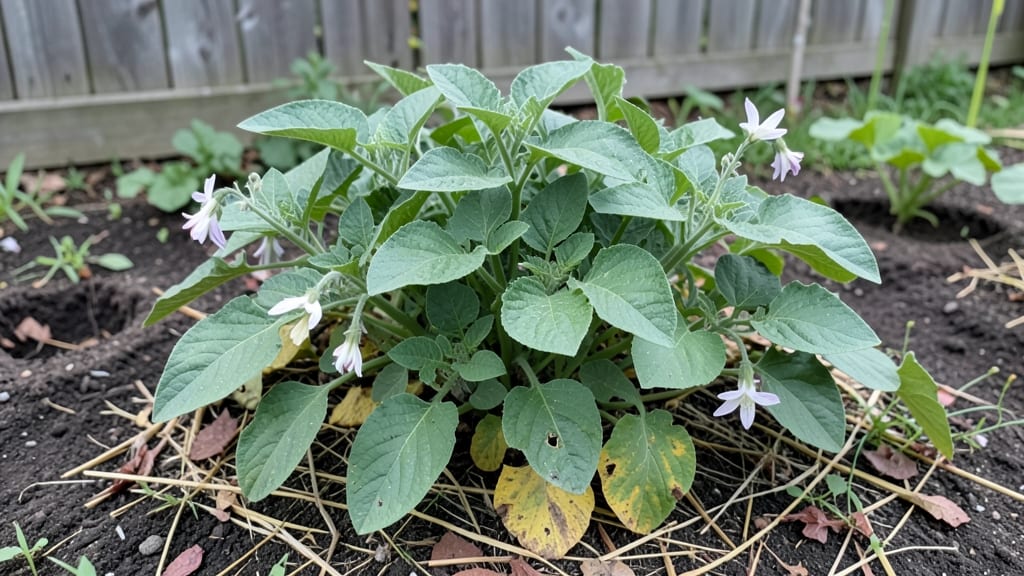
You should not plant squash and potatoes together because they compete aggressively for nutrients, attract similar pests like squash bugs and Colorado potato beetles, and can stunt each other’s growth. Follow companion planting guidelines by spacing them at least 10 feet apart or planting in separate garden beds.
Planting squash and potatoes near each other creates a double whammy: both crops demand heavy soil nutrients, especially nitrogen and potassium, while their sprawling vines and deep roots battle for space. 🌱 The real kicker?
They share pest enemies—squash bugs and Colorado potato beetles thrive in the same conditions, turning your garden into a pest buffet. Even if you separate them, cross-contamination can still happen if you're not careful with tools or soil."
Instead of risking poor yields, consider pairing squash with beans or corn (which fix nitrogen in the soil) or potatoes with onions or cabbage (which deter pests naturally). Marigolds are another game-changer—they repel pests and improve growth for both crops when planted strategically.
The key is understanding their growth habits: squash needs sprawling room, while potatoes prefer deep, loose soil for tuber development.
💡 In This Article
- Why Squash and Potatoes Are Poor Garden Companions
- Best Alternatives for Planting Near Squash or Potatoes
Why squash and potatoes are poor garden companions
Here's what's actually happening in your garden when you plant these two crops together: they're engaged in a silent war for resources. Squash plants develop sprawling vines that can spread 10-15 feet in all directions, while potatoes send out deep roots that can reach 12-24 inches below the surface.
This creates a root zone collision where both plants are competing for the same soil nutrients, particularly nitrogen and potassium, which are critical for vine development in squash and tuber formation in potatoes.
The competition doesn't stop at roots. Both crops are susceptible to the same soil-borne diseases like verticillium wilt and early blight. These pathogens thrive in warm, moist conditions that both squash and potatoes create through their dense foliage and watering needs.
When infected, you'll notice yellowing leaves on squash vines and brown spots on potato foliage—both signs of a struggling plant. The disease spores can spread through water splashing between plants or on garden tools, creating a perfect storm for infection.
What most people don't realize is how their pest cycles overlap. Squash bugs and Colorado potato beetles have synchronized life cycles that peak during the same growing season.
A single squash bug can lay 10-20 eggs at a time, and these hatchlings will happily munch on both squash leaves and potato foliage. The adult Colorado potato beetle, with its bright yellow and black stripes, will devour potato leaves while its larvae will also attack squash plants.
This creates a feedback loop where pest populations explode when both crops are nearby.
The soil depletion factor is often underestimated. Both squash and potatoes are heavy feeders that exhaust soil nutrients quickly. A single squash plant can remove about 100 pounds of nutrients per acre during its growing season, while potatoes remove similar amounts of potassium and phosphorus.
When planted together, they create nutrient deserts where subsequent crops will struggle to thrive. The visual evidence is often there: stunted growth, yellowing leaves, and smaller-than-expected fruits or tubers.
Consider this real-world example: In a 20-foot by 20-foot garden plot where squash and potatoes were planted 3 feet apart, gardeners reported a 40% reduction in squash yield and a 35% decrease in potato production compared to separate planting beds.
The squash vines showed signs of nutrient deficiency (purple stems), while potatoes developed smaller, misshapen tubers. The lesson? Their growth habits and resource needs are fundamentally incompatible.
There's also the practical challenge of garden maintenance. Squash vines create dense canopies that block sunlight from reaching potato plants below, while potato foliage can trap moisture and encourage fungal diseases that affect squash.
The physical space they need is different too: squash requires 50-100 square feet per plant for proper vine spread, while potatoes need 12-18 inches of space between plants for tuber development. Trying to accommodate both in the same space is like fitting a square peg in a round hole.
What this all means for your garden is simple: planting squash and potatoes together is like trying to run two marathoners on the same track—they'll trip each other up.
The science of plant competition, shared diseases, and synchronized pest cycles all point to one conclusion: these crops are better off in separate corners of your garden. 🌱