
Pests and Diseases
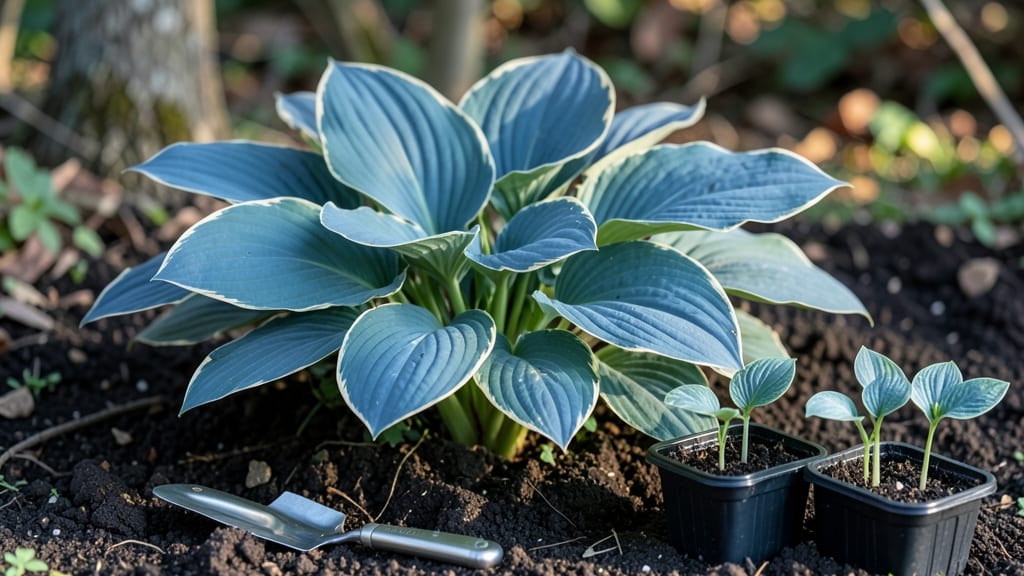
The right hosta planting distance is the foundation of lush, thriving foliage—yet many gardeners plant them too close, ending up with crowded clumps that struggle to breathe.
Picture this: your 🌿 hostas in Zone 6a look cramped by midsummer, their edges yellowing from poor airflow, and slugs hiding in the dense center. The fix? Spacing them properly from the start—something most guides skip over.
In this guide, I’ll break down the exact measurements for every hosta size (from 6-inch dwarfs to 4-foot giants) and how to arrange them for airflow, shade, and long-term health.
You’ll learn the 3 spacing mistakes that kill hostas, when to divide overcrowded clumps, and how to pair them with companions that deter pests without stealing their spotlight.
Optimal hosta planting distance by variety size: small to giant hostas
Hostas are one of the most popular shade-loving perennials, but their stunning foliage can only shine when given the right space to grow. Proper spacing prevents overcrowding, improves airflow circulation, and reduces disease risks like slug damage and fungal infections.
Many gardeners plant hostas too closely, leading to stunted growth and weak foliage. Let’s break down the ideal planting distances for each hosta size category—from tiny miniature varieties to towering giant hostas.
When planning your hosta garden, always consider the plant’s mature size, not its current size at purchase. A 6-inch hosta today could become a 3-foot giant in just a few years! Overcrowding is the #1 mistake, so use this guide to map out your layout before digging.
For shade gardens or woodland settings, spacing also affects how light filters through, creating dappled patterns that enhance the foliage contrast.
🌿
| Hosta Size Category | Mature Spread (Width) | Recommended Planting Distance | Notes |
|---|---|---|---|
| Miniature (e.g., 'Pandora's Box', 'Tiny Tears') | 6–12 inches | 8–12 inches apart | Ideal for rock gardens or container plantings; group 3–5 together for impact. |
| Small (e.g., 'Francee', 'Blue Angel') | 12–18 inches | 12–18 inches apart | Perfect for border plantings or edging; pair with ferns or heuchera. |
| Medium (e.g., 'Guacamole', 'Halcyon') | 18–24 inches | 18–24 inches apart | Best for mid-border plantings; leave 2 feet between rows for airflow. |
| Large (e.g., 'Blue Mammoth', 'Sum and Substance') | 24–36 inches | 24–36 inches apart | Use as focal points; avoid planting near walkways to prevent trampling. |
| Giant (e.g., 'Franks Red Giant', 'Patriot') | 36+ inches | 36–48 inches apart | Plant 3–4 feet apart in moist, rich soil; mulch heavily to retain moisture. |
Pro Tip: Always measure from the center of one hosta to the center of the next for even spacing.
For container gardening, miniature and small hostas thrive in 5–7 gallon pots with 2–3 plants per container.
Medium hostas need 10+ gallon pots and should be spaced 12–18 inches apart within the container. Large and giant hostas are best planted in-ground or in oversized containers with drainage holes to prevent root rot.
Another key factor is soil moisture. Hostas with wider spacing dry out more slowly, reducing the need for frequent watering. If your soil drains poorly, increase spacing by 25% to allow roots to breathe.
For example, a medium hosta in clay soil should be planted 24 inches apart instead of 18 inches.
🌱
When arranging hostas, consider their foliage texture and color contrast. Plant blue hostas near golden varieties to create striking visuals. For shade gardens, stagger larger hostas behind smaller ones to build depth.
If you’re creating a hosta border, alternate sizes—like pairing a miniature with a large—to add dynamic interest.
One common mistake is planting hostas in rows, which can look too uniform. Instead, try a naturalistic grouping of 3–5 plants in odd-numbered clusters. This mimics their wild habitat and encourages healthier growth.
For woodland gardens, mimic the dappled light of a forest by spacing hostas 3–4 feet apart and underplanting with wild ginger or foamflower.
Finally, remember that hostas spread over time through rhizome growth. If you’re planting near a pathway or patio, leave extra space—up to 12 inches more—to account for future expansion.
For slow-spreading varieties like 'June', you can get away with closer spacing, but aggressive spreaders like 'Francee' need more room.
By following these spacing guidelines, your hostas will thrive with vibrant foliage, minimal pests, and long-lasting beauty for years to come. Happy planting! 🪴
How to space hostas for maximum impact: aesthetic and functional tips
Hostas thrive when given room to spread their lush foliage, but many gardeners struggle with finding the perfect balance between aesthetic appeal and functional growth. Proper spacing transforms your garden from a cluttered mess into a thriving, layered display.
The key lies in understanding how hostas mature and how their neighbors can enhance—or compete with—their growth.
Think of hostas like a well-orchestrated choir: each variety has its own growth habit and foliage size, and planting them too closely stifles their potential.
Whether you're creating a dramatic border, a serene woodland garden, or a container arrangement, strategic spacing ensures your hostas shine while minimizing pests and diseases that thrive in crowded conditions.
- Miniature varieties (6-12" mature height): Space 12-18 inches apart to prevent overcrowding and allow airflow between leaves.
- Small varieties (1-2' mature height): Provide 18-24 inches of space to accommodate their spreading rhizomes.
- Medium varieties (2-3' mature height): Allocate 24-36 inches for full foliage development and pest prevention.
- Large varieties (3-4' mature height): Give them 36-48 inches to thrive without competing for nutrients.
- Giant varieties (4'+ mature height): Space 48+ inches apart to prevent leaf blight and slug damage.
For border plantings, use hostas as a foundation layer with taller perennials behind them, like ferns or astilbes. This creates depth while ensuring each plant gets adequate airflow. In containers, pair dwarf hostas with carex or heuchera to fill gaps without overpowering their neighbors.
Companion planting is your secret weapon for healthier hostas. Plant alliums or garlic nearby to deter slugs, or add ferns to create a natural microclimate that retains moisture. Avoid planting hostas next to competitive ground covers like ajuga, which can smother their growth over time.
Mulching plays a crucial role in maintaining proper spacing. Apply a 3-inch layer of mulch around hostas to suppress weeds and regulate soil temperature, but avoid piling mulch directly against the crown. This keeps the rhizomes cool while allowing foliage to spread naturally without competition.
Remember, hostas are slow growers in their first year, so resist the urge to fill gaps too soon. Patience pays off as they establish strong root systems.
With the right spacing, your hostas will reward you with bold foliage and year-round interest, even in winter when their dried leaves add texture to the garden. 🌿