
Container Gardens
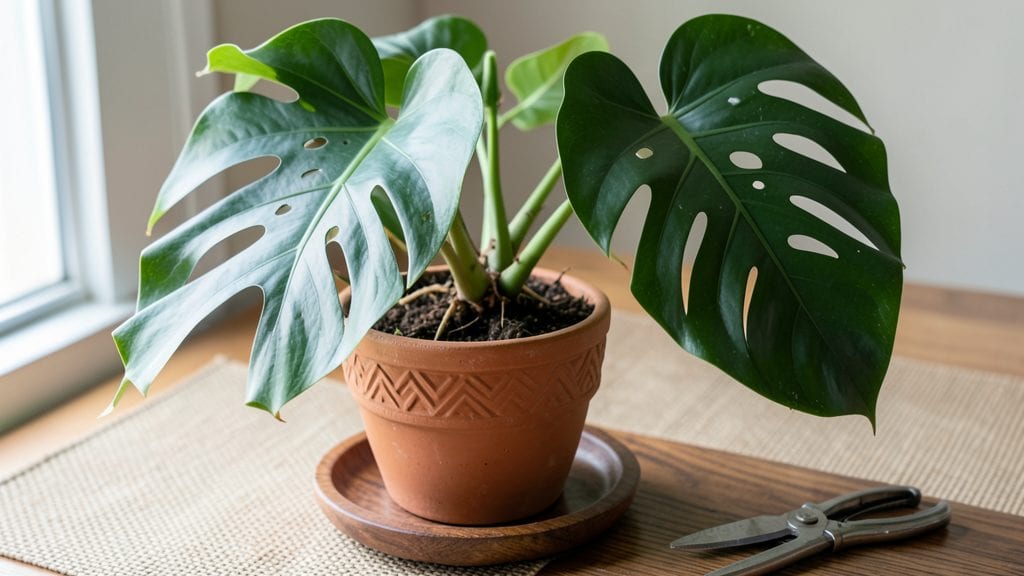
Your house plants deserve containers that breathe as much as they drink—house plants containers with proper drainage are the difference between wilting leaves and lush, happy growth.
I’ve seen droopy monstera leaves revive after switching to the right pot, and I’m here to share the exact materials, sizes, and tricks that keep roots thriving. 🌱
The wrong container turns your green thumb into a black thumb fast. Too-small pots strangle roots, while plastic without drainage holes drowns them. Terracotta wicks moisture (great for succulents), ceramic adds style (but cracks over time), and fabric grow bags expand as roots stretch—each material has its superpower.
Size matters too: a snake plant needs at least 6 inches of depth, while a fiddle-leaf fig thrives in 12+ inches.
With the right setup, you’ll notice stronger stems, deeper green leaves, and fewer "oops" moments when you forget to water. A quick check for yellowing leaves or mushy roots tells you if drainage is working—or if it’s time to repot.
The goal? Roots that stay happy, plants that stay perky, and a home that feels alive with greenery.
Whether you’re reviving a struggling pothos or prepping for a new monstera, these container basics work for every plant type. Let’s get your roots breathing easy—no more guesswork, just growth. Here’s how to pick, prep, and keep containers working for your plants, season after season.
Root Struggles In Poor Containers
Houseplants are resilient, but even the hardiest varieties will suffer when their containers fail to meet basic needs. Root stress—whether from stagnant water, cramped spaces, or material mismatches—is the silent killer of potted plants.
Understanding why these issues arise is the first step to fixing them. Let’s break down the science behind common container-related problems and how they stifle your green friends.
When containers lack proper drainage, excess water pools at the bottom, suffocating roots in a soggy grave. This isn’t just about "too much watering"—it’s about physics and biology colliding.
- Poor Drainage Holes: Without exit points, water has nowhere to go. Even "self-watering" containers can trap moisture if the reservoir isn’t designed to release excess. Roots, deprived of oxygen, switch to anaerobic respiration—a slow, toxic process that releases ethylene gas, signaling the plant to rot.
- Compacted Soil: Dense or clay-heavy soils repel water, creating a waterlogged "bathtub" effect. Add organic matter (like perlite or coconut coir) to improve aeration and prevent gummy, anaerobic zones.
- Material Matters: Terracotta "breathes" but can absorb too much moisture; plastic holds water like a sponge. If your container doesn’t balance porosity and drainage, roots drown in their own swamp.
Actionable Fix: Test your container’s drainage by filling it with water and timing how long it takes to empty. If it holds water for more than 2 hours, it’s a red flag. Elevate pots on saucers or use cascade-style containers to encourage flow.
Plants outgrow their pots faster than you think. When roots circle the container (a condition called root binding), they become tangled and starved for nutrients. This isn’t just a size issue—it’s a metabolic crisis.
- Limited Soil Volume: Roots need space to explore for water and nutrients. In small or shallow containers, they exhaust the soil’s resources quickly, leading to nutrient depletion and phosphorus deficiency (yellowing leaves, weak stems).
- Oxygen Deprivation: Crowded roots compete for oxygen, slowing cellular respiration. The plant’s growth hormones (auxins) get disrupted, causing stunted shoots and leaf drop.
- Heat Stress: Small containers heat up faster, especially in plastic or dark-colored pots. Overheated roots can’t absorb water efficiently, mimicking drought stress even when the soil is moist.
Actionable Fix: Choose containers 1–2 inches larger in diameter than the root ball when repotting. For slow growers (like snake plants), upgrade every 2–3 years; for fast growers (like pothos), opt for modular or stackable containers to expand vertically.
Not all containers are plant-friendly. Some materials leach harmful chemicals, alter soil pH, or block airflow, creating a toxic environment for roots.
- Unlined Containers: Wooden barrels, untreated cedar, or recycled plastic may leach phenolic compounds or volatile organic compounds (VOCs), which can stunt growth or cause leaf scorch. Always line these with a breathable barrier (like pond liner) or use food-safe materials.
- pH Imbalance: Glazed ceramic or metal containers can alter soil acidity over time. For acid-loving plants (like azaleas or gardenias), avoid alkaline materials like concrete or uncoated stoneware.
- Salt Buildup: Porous materials (like terracotta) pull salts from the soil as water evaporates. Over time, this creates a saline crust that roots can’t penetrate, leading to osmotic stress (where plants "can’t drink" even in wet soil).
Actionable Fix: If repotting from a suspect container, rinse the old soil thoroughly with distilled water to remove residual salts or chemicals. For long-term use, stick to food-grade plastic, ceramic glazed with non-toxic sealants, or fiberglass.
💡 Pro Tip: Observe your plant’s roots during repotting. Healthy roots are white or light tan; black, mushy roots = rot; dark, hard roots = oxygen starvation. Trim the bad, repot the rest, and give your plant a fresh start in the right container!
Fixing Common Container Problems
Now that you know why issues arise with house plant containers, let’s tackle the fixes—practical, step-by-step solutions to keep your greenery thriving. Whether it’s waterlogged roots, stunted growth, or pests, these fixes are designed to be easy, cost-effective, and foolproof. Prevention tips are woven in to save you future headaches!
Problem: Roots suffocate, leading to rot or fungal growth. Fix It:
- 🔥 Upgrade Your Drainage Add a 1-inch layer of gravel, perlite, or terracotta chips at the bottom of the container before planting. This creates an air pocket to prevent waterlogging.
- Pro Tip: Use self-watering pots with drainage holes—they regulate moisture while keeping roots aerated.
- 🍳 Choose the Right Soil Mix Swap heavy garden soil for a well-draining potting mix (look for blends labeled "for containers" or "aeration-enhanced").
- Bonus: Add orchid bark or coconut coir to improve airflow.
- ⏰ Water Smarter Stick your finger 1-2 inches into the soil—if it’s damp, wait. For most houseplants, water only when the top 50% is dry.
- Prevention: Use moisture meters or terracotta pots (they wick away excess water).
Problem: Roots circle the pot, starving the plant of nutrients. Fix It:
- 👨🍳 Repot Strategically If roots peek through drainage holes, repot into a container 1-2 inches larger (no more—big pots = soggy soil).
- When to Repot: Spring or early summer (active growth phase).
- Pro Tip: Trim 1/3 of the roots before repotting to encourage outward growth.
- 🌡️ Boost Nutrients Use a slow-release fertilizer or liquid feed every 4-6 weeks. For picky plants (like ferns), try worm castings for gentle nourishment.
- Prevention: Rotate containers occasionally to ensure even light exposure.
Problem: Bugs (spider mites, fungus gnats) or mold thrive in damp, stagnant containers. Fix It:
- 🔪 Quarantine & Clean Isolate infested plants. Wipe leaves with neem oil solution (1 tsp oil + 1 quart water) or soapy water (1 tsp mild soap per gallon).
- For Gnats: Let soil dry between waterings and top-dress with cinnamon (natural fungicide).
- ✨ Sterilize Containers Scrub pots with 10% bleach solution (1 part bleach, 9 parts water), rinse well, and let dry in the sun before reuse.
- Prevention: Avoid overcrowding plants—space improves airflow.
Problem: Drafts, cold windows, or insufficient light stress plants. Fix It:
- 🏡 Adjust Placement
- Cold drafts? Move away from AC vents or doors.
- Too dark? Supplement with grow lights (LED bulbs work great).
- Pro Tip: Rotate plants weekly for even light exposure.
- 🎯 Choose Climate-Smart Containers
- Terracotta: Breathable but dries out fast (great for desert plants).
- Plastic: Retains moisture (ideal for tropical plants).
- Fabric grow bags: Mimic natural root conditions.
| Issue | Quick Fix | Preventative Step |
|---|---|---|
| Yellowing leaves | Check drainage + reduce water | Use saucers with pebbles (not water) |
| Leggy, weak stems | Move to brighter light | Rotate container weekly |
| White powdery residue | Wipe with alcohol + fungicide spray | Avoid overhead watering |
| Slow growth | Repot + fertilize | Test soil pH (aim for 6.0-7.0) |
Final Thought: Most container woes boil down to drainage, light, and soil quality. Tweak one variable at a time, and your houseplants will reward you with lush, vibrant growth. 🌿✨
Frequently asked questions
What’s the best material for house plant containers?
Terracotta wicks away moisture (ideal for succulents), while plastic retains humidity (perfect for tropical plants). Fabric grow bags expand with roots and mimic natural soil conditions. For style, glazed ceramic works—just ensure it has drainage holes to prevent waterlogging.
How do I know if my container is too small?
Check for roots circling the bottom or poking through drainage holes. If your plant grows slowly or soil dries out too fast, it’s time to upgrade to a container 1–2 inches larger. Repot during spring’s active growth phase for best results.
Can I reuse old containers without cleaning them?
Never reuse containers without sterilizing first! Scrub with a 10% bleach solution, rinse thoroughly, and dry in sunlight. Old soil can harbor pests, fungi, or salt buildup that stunts new plants. For terracotta, soak in vinegar to remove mineral deposits.
What’s the deal with saucers under pots?
Use saucers to catch excess water—but never let plants sit in standing water. Instead, add a layer of pebbles to create airflow. For tropical plants, saucers with water can help maintain humidity, but empty them after 30 minutes to prevent root rot.
Do I need special containers for different plant types?
Yes! Succulents thrive in shallow, breathable terracotta, while ferns need moisture-retentive plastic. Large tropical plants (like monstera) benefit from deep, stable ceramic or fiberglass containers. Always match the container to the plant’s natural habitat and growth habits.