
How To
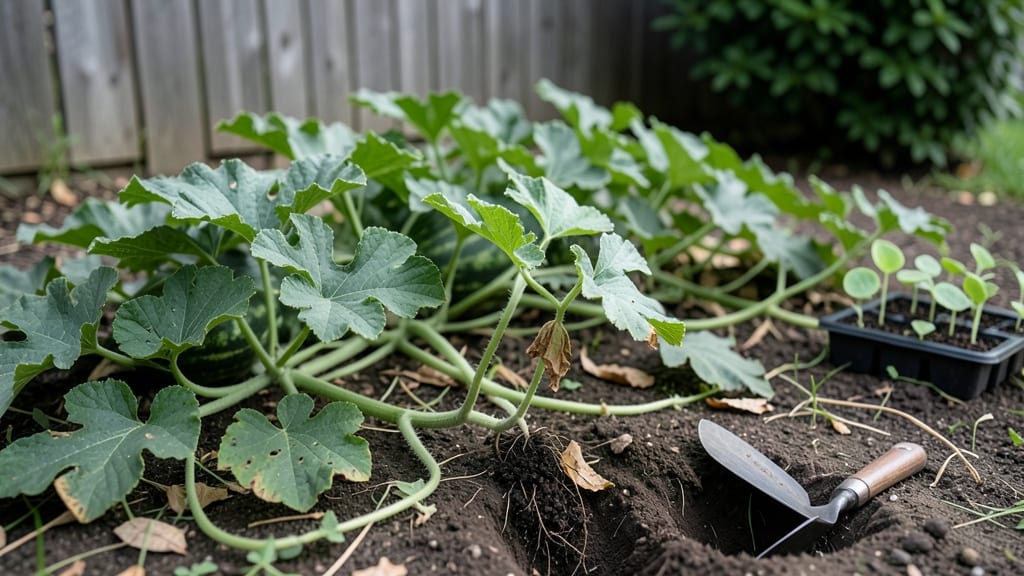
To plant watermelon seeds the right way, space them 6 to 12 inches apart in rows 5 to 6 feet apart—this gives sprawling vines room to thrive without competing for nutrients.
Planting watermelon seeds too close can lead to stunted growth, poor fruit production, and vines fighting for sunlight—yet many gardeners struggle to get the spacing just right. Mastering the perfect distance between seeds is the key to bountiful, healthy watermelons that thrive from seed to harvest.
In Zone 6a, where spring planting begins after the last frost (usually April–May), proper spacing ensures your 🍉 vines spread 10 to 15 feet by summer, maximizing yield without overcrowding. The right setup also prevents disease and makes harvesting easier.
Below, I’ll break down spacing by variety size, soil prep tips, and companion plants that help vines grow stronger—so you can avoid common mistakes and enjoy juicy melons from July through September.
Optimal watermelon seed spacing by variety and growth habits
Watermelon vines are notorious for their aggressive sprawl, but proper seed spacing can transform your garden from a tangled mess to a high-yielding oasis. The key lies in understanding how each variety type grows—whether it's a compact dwarf variety or a sprawling standard vine.
Even soil fertility and moisture levels play a role in how much room your plants will truly need.
Overcrowding leads to poor air circulation, increasing the risk of powdery mildew and fruit rot. Meanwhile, spacing seeds too far apart wastes precious garden real estate. The solution?
Tailor your spacing to the watermelon type and growth habits—and don’t forget about trellising for vertical growth. Let’s break down the science and practical tips to get it right.
Watermelon vines spread horizontally, and their vine length directly impacts how far apart you should plant seeds. Dwarf varieties like 'Sugar Baby' stay compact, while standard varieties like 'Crimson Sweet' can sprawl up to 20 feet.
Even the soil type matters—sandy soils dry out faster, requiring closer spacing for consistent moisture, while loamy soils allow for wider gaps.
Here’s the golden rule: Plant seeds 1 inch deep and space them according to the variety’s mature spread. For trellised watermelons, you can cut spacing in half since vines grow upward instead of outward. Let’s dive into the specifics with this comparison table to guide your planting strategy.
| Variety Type | Seed Spacing (inches) | Row Spacing (feet) | Vine Spread (feet) | Best For |
|---|---|---|---|---|
| Dwarf Varieties | 12-18" | 3-4' | 3-6' | Containers, small gardens |
| Semi-Dwarf Varieties | 24-30" | 4-5' | 8-12' | Raised beds, urban gardens |
| Standard Varieties | 36-48" | 5-6' | 15-20' | Large gardens, fields |
| Trellised Varieties | 12-18" | 3-4' | Vertical (10-15' height) | Vertical gardens, small spaces |
For dwarf varieties, like 'Tiny Tim' or 'Sugar Baby', you can squeeze in 12-18 inches between seeds and 3-4 feet between rows. These compact plants are perfect for containers or raised beds, making them ideal for urban gardeners.
Just ensure your container is at least 18 inches deep to accommodate their roots.
If you’re growing semi-dwarf varieties, such as 'Black Diamond' or 'Golden Midget', increase spacing to 24-30 inches between seeds and 4-5 feet between rows.
These vines still stay manageable but need more room to spread out. Mulch heavily to retain moisture and suppress weeds, as these plants are more susceptible to soil-borne diseases in crowded conditions.
For standard varieties, like 'Crimson Sweet' or 'Charleston Gray', you’ll need to give them the full 36-48 inches between seeds and 5-6 feet between rows. These vines can sprawl up to 20 feet, so plan accordingly.
If space is limited, consider trellising to grow them vertically, which also improves airflow and reduces disease risk.
Trellising isn’t just for saving space—it also helps improve fruit quality by keeping watermelons off the ground, where they’re less likely to rot.
Use a strong trellis system with heavy-duty netting or cables to support the weight of mature fruits. Prune side shoots to encourage upward growth and reduce shading of lower leaves.
Soil conditions play a critical role in determining how much space your watermelons need. In poor soil, plants spread wider to access nutrients, so increase spacing by 20-30%. Amend your soil with compost or aged manure before planting to improve fertility. If your garden has <
Common mistakes that stunt watermelon growth (and how to fix them)
Watermelon vines need ample space to spread and produce fruit, yet many gardeners unintentionally crowd their plants. When seeds are planted too close, vines compete for nutrients, water, and sunlight, leading to smaller fruits and weaker plants.
Even experienced growers sometimes overlook spacing mistakes that sabotage yields before harvest time.
One of the biggest errors is assuming all watermelons need the same spacing. Dwarf varieties like 'Sugar Baby' only need 3 feet between plants, while sprawling types like 'Crimson Sweet' require 5-6 feet.
Ignoring these differences can result in stunted growth and poor fruit development, even with perfect soil conditions.
Another common mistake is planting seeds in uneven rows or without proper soil preparation. Watermelons thrive in loose, well-draining soil with a pH between 6.0-6.8.
Skipping soil amendments like compost or failing to till deeply can create root-bound plants that struggle to access nutrients, no matter how much space you give them.
⚠️
Poor companion planting is another overlooked issue. While watermelons benefit from nearby radishes or corn, they compete with other heavy feeders like pumpkins or squash. Planting these too close can lead to disease spread and nutrient depletion, reducing your overall harvest.
Instead, use marigolds or basil to deter pests while maximizing space efficiency.
Uneven watering habits also stunt growth when combined with poor spacing. Watermelons need 1-2 inches of water weekly, but crowded plants can't absorb moisture evenly. This leads to blossom-end rot or powdery mildew, especially in humid climates.
Always water at the base of plants in the morning to prevent fungal issues and ensure roots get the moisture they need.
Finally, many gardeners forget that trellising can dramatically change spacing needs. Vertical-growing varieties like 'Black Diamond' can be spaced 2 feet apart on a trellis, saving garden space while improving airflow. Without proper support, even these varieties may sprawl uncontrollably, leading to tangled vines and poor fruit quality.
Use sturdy wire trellises or A-frame supports to keep vines organized and maximize your garden's potential.
By fixing these spacing mistakes—starting with proper seed placement and soil prep—you'll give your watermelons the room they need to grow strong, healthy vines and produce bountiful, sweet fruit all season long. 🍉