
Pests and Diseases
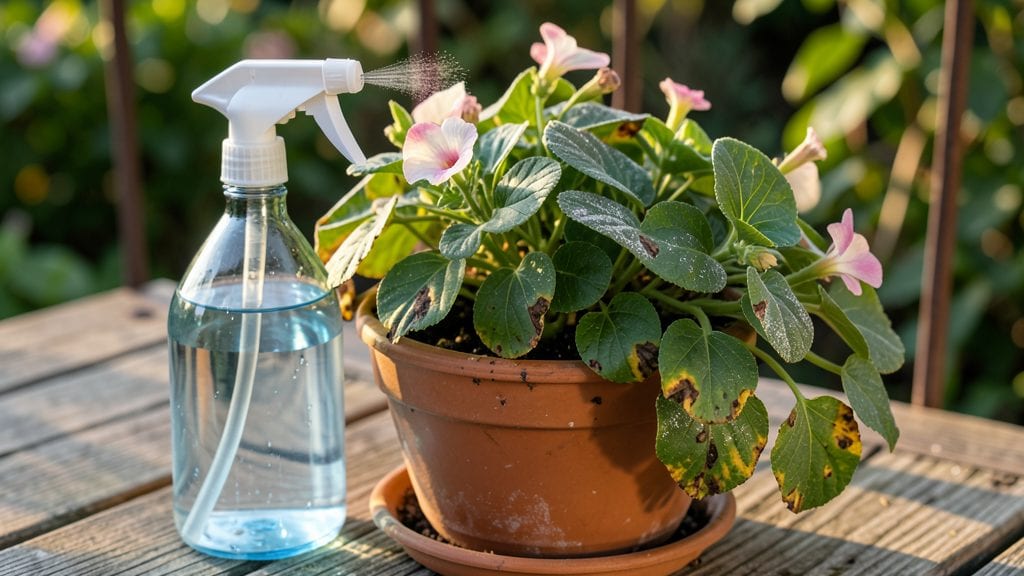
Impatiens plant disease can turn vibrant blooms into sad, spotted messes in just days. 🌿 I’ve watched my favorite impatiens go from showstopper to sickly in a week—usually because I missed the early warning signs.
These plants are tough, but fungal infections like downy mildew or powdery mildew hit hard when conditions are right.
Most diseases start with too much moisture, poor airflow, or overcrowded pots. The good news? Catching them early means saving your plants with simple fixes—like pruning affected leaves, adjusting watering, or spraying a copper fungicide at the first sign of trouble.
I’ve stopped losses by acting fast, and you can too.
You’ll learn to spot the 5 most common fungal foes by their telltale spots, fuzzy growth, or yellowing leaves. Once identified, treatments range from homemade baking soda sprays to targeted fungicides, all while keeping your impatiens thriving. Prevention is easier than cleanup—trust me, I’ve tried both.
Whether you’re dealing with a single pot or a garden bed, these steps work for beginner and experienced gardeners alike. The key is consistency: check plants weekly, remove debris, and don’t let humidity win. Let’s get those impatiens back to their bold, blooming best.
Root Causes Behind Plant Struggles
Impatiens plants, with their vibrant blooms and lush foliage, are a garden favorite—but they’re also prime targets for fungal diseases. Understanding why these issues arise is the first step to prevention.
Below, we break down the key triggers behind impatiens plant disease, from environmental factors to cultural mistakes, with science-backed explanations.
Fungi thrive in moisture, and impatiens are especially vulnerable when their leaves stay damp for extended periods. Here’s why:
- High humidity (above 70%): Creates the perfect breeding ground for pathogens like Phytophthora and Pythium, which cause root rot and leaf spots. Warm, stagnant air slows evaporation, keeping fungal spores active.
- Poor drainage: Impatiens hate soggy roots. If soil doesn’t drain within 6–12 hours after watering, oxygen is cut off, weakening the plant’s defenses and inviting Rhizoctonia or Fusarium.
- Frequent leaf wetness: Overhead watering or dense foliage traps water on leaves, promoting Alternaria or Septoria leaf spots. These fungi spread via water splashes, turning leaves into nutrient-rich smorgasbords.
Actionable fix: Space plants for airflow, water at soil level, and avoid planting in low-lying areas where water pools.
Impatiens packed too closely or sheltered by dense foliage suffer from stagnant air—a fungal paradise. Here’s the science:
- Reduced airflow: Still air traps heat and moisture, raising humidity near the plant. Fungi like Botrytis (gray mold) spread faster in these conditions because spores aren’t blown away.
- Leaf-to-leaf contact: When leaves brush against each other, they create micro-wounds and moisture bridges, accelerating Powdery Mildew (Erysiphe spp.) spread.
- Shade stress: While impatiens prefer partial shade, too much shade without airflow encourages weak stems and thick canopies—ideal for fungal colonization.
Actionable fix: Prune to open the canopy, space plants 12–18 inches apart, and use fans in greenhouses or containers to boost circulation.
A malnourished impatiens is like an open invitation for fungi. Soil deficiencies or excesses disrupt the plant’s natural defenses:
- Low nitrogen (N): Leads to sparse foliage, making leaves less competitive against fungal invaders. Alternaria spots, for example, exploit stressed tissue.
- Excess phosphorus (P): Can overstimulate soft, succulent growth—fungi love feasting on tender new shoots.
- Deficient calcium (Ca) or magnesium (Mg): Weakens cell walls, making plants more susceptible to Phytophthora root rot.
- Over-fertilization: Burns roots, reducing uptake of essential nutrients and leaving plants vulnerable to Fusarium wilt.
Actionable fix: Test soil pH (aim for 6.0–6.5) and use a balanced fertilizer (e.g., 10-10-10). Avoid fresh manure, which can introduce fungal spores.
Fungal spores are sneaky hitchhikers. Here’s how they infiltrate your garden:
- Reused tools: Pruners, trowels, or trellises contaminated with Botrytis or Powdery Mildew spores can transfer pathogens to healthy plants.
- Infested soil or compost: Old garden beds or poorly composted material may harbor Rhizoctonia or Pythium spores, which survive for years.
- Infected plant debris: Leaving behind diseased leaves or stems provides a food source for fungi to multiply and reinfect.
Actionable fix: Sterilize tools with 70% rubbing alcohol, solarize soil in summer (cover with clear plastic for 4–6 weeks), and remove all debris at season’s end.
Impatiens are tropical escapees—sudden temperature shifts stress them out, lowering resistance to disease:
- Cold nights (below 50°F/10°C): Chills slow metabolic processes, making plants more susceptible to Phytophthora root rot.
- Heat stress (above 90°F/32°C): Causes leaf scorch, creating entry points for Alternaria or Septoria.
- Rapid temperature fluctuations: Disrupts stomatal function (leaf pores), making it harder for plants to transpire and fend off fungal invaders.
Actionable fix: Mulch with 2–3 inches of organic matter to moderate soil temps, and avoid planting in exposed, windy areas.
How to solve it
When your impatiens show signs of disease, acting fast is key—but luckily, many fungal foes can be tackled with simple, garden-friendly fixes. Below, we’ve mapped out practical solutions for each common impatiens disease, along with prevention tips to keep your plants thriving.
Think of this as your go-to troubleshooting guide, packed with actionable steps and pro tricks to restore your blooms to their vibrant best!
If you spot that telltale white dust on leaves, powdery mildew is likely the culprit. This fungal party crasher thrives in humid, low-airflow conditions, but you can shut it down with these moves:
- 🔥 Prune and clean: Snip off infected leaves (wear gloves!) and dispose of them in the trash not the compost. This stops the spores from spreading.
- 💦 Spray with baking soda: Mix 1 teaspoon of baking soda, 1 teaspoon of vegetable oil, and a drop of dish soap into 1 quart of water. Spray the undersides of leaves (where mildew loves to hide) every 7–10 days until clear. Pro tip: Do this on a dry, sunny morning so the solution dries quickly.
- 🌬️ Boost airflow: Thin out crowded plants, space them 6–12 inches apart, and avoid overhead watering. A small fan on low near your impatiens can also dramatically reduce humidity around leaves.
- 🌞 Prevent recurrence: Plant impatiens where they get at least 4–6 hours of sunlight daily. Morning sun is ideal—it dries dew fast, leaving fungi high and dry.
Downy mildew’s yellow, greasy spots and fuzzy purple undersides are a dead giveaway. This sneaky invader spreads via water splashes, but you can outsmart it:
- 🔪 Remove infected foliage: Cut away any leaves with yellowing or fuzzy growth immediately. Bag and trash them to prevent spore spread.
- 🧴 Apply copper fungicide: Use a ready-to-use copper spray (like Bonide Copper Fungicide) every 7–10 days. Copper disrupts fungal spores without harming your plants. Pro tip: Spray in the evening to avoid sunburn on leaves.
- 💧 Water at the roots: Switch to drip irrigation or soaker hoses to keep leaves dry. Water early in the day so foliage has time to dry.
- 🌱 Rotate crops: If you grow impatiens in containers, sterilize pots with a 10% bleach solution (1 part bleach to 9 parts water) before replanting. In gardens, avoid planting impatiens in the same spot next year.
Circular brown spots with yellow halos? That’s leaf spot—and while it’s unsightly, it’s manageable. The secret? Disinfection and prevention.
- 🧼 Clean up debris: Remove all fallen leaves and mulch from under your plants. Fungal spores love hiding in organic matter.
- 💧 Disinfect tools: After pruning, wipe shears with 70% isopropyl alcohol or a bleach solution to prevent cross-contamination.
- 🧪 Spray with hydrogen peroxide: Mix 1 tablespoon of 3% hydrogen peroxide per quart of water and spray affected leaves. This natural fungicide kills spores on contact. Pro tip: Test on a small leaf first—some plants are sensitive!
- ✨ Prevent future outbreaks: Space plants for airflow and water only in the morning. Avoid wetting leaves, and consider a lightweight row cover if rain is frequent.
Mushy stems, yellowing leaves, and plants that fall over? Root rot is likely—caused by overwatering or poor drainage. Here’s how to save your impatiens:
- 🚰 Check the soil: Gently dig around the roots. Healthy roots are firm and white; rotten roots are brown, mushy, and smell bad. Trim away any mushy roots with sterilized scissors.
- 🌱 Repot in fresh mix: Move the plant to a clean pot with well-draining soil (add perlite or sand to improve drainage). If it’s in the ground, amend the soil with compost and create a raised bed if drainage is poor.
- 💧 Adjust watering: Let the top 1–2 inches of soil dry out between waterings. Stick your finger in the soil—if it’s damp, wait! Pro tip: Use a moisture meter for accuracy.
- 🌿 Boost recovery: After repotting, reduce fertilizer for 4–6 weeks. Roots need time to heal, and fertilizer can stress them further.
Gray, fuzzy mold on flowers or wilting buds? Botrytis blight strikes when humidity is high and debris lingers. Here’s how to starve it out:
- 🌸 Remove infected blooms: Snip off any gray mold and dispose of it. Don’t compost—this fungus spreads easily.
- 🌡️ Lower humidity: Space plants apart, avoid overhead watering, and use a dehumidifier or fan in greenhouses.
- 🍄 Apply fungicidal spray: Use a neem oil spray (1 tsp neem oil + 1 tsp mild soap per quart of water) or a commercial fungicide like Myclobutanil every 10–14 days.
- 🔄 Prevent future outbreaks: Deadhead spent blooms regularly to reduce moisture retention. Avoid planting impatiens in shady, damp areas.
An ounce of prevention is worth a pound of cure! Use these year-round strategies to keep your impatiens healthy:
- ✨ Start with clean plants: Buy disease-resistant varieties (like Impatiens walleriana ‘Super Elfin’
Frequently asked questions about impatiens plant diseases
What’s the fastest way to tell if my impatiens have a fungal infection?
Check for these red flags: white powder on leaves (powdery mildew), yellow spots with fuzzy undersides (downy mildew), or brown circles with yellow edges (leaf spot). If stems feel mushy or plants wilt suddenly, it’s likely root rot. Act within 3 days—early treatment prevents spread.
Can I save my impatiens if they already have severe disease symptoms?
It depends! For powdery mildew or leaf spot, prune infected areas and treat with copper spray or neem oil. If roots are rotting, repot in fresh, dry soil immediately. For advanced cases, consider propagating healthy stems to start fresh—sometimes saving the plant isn’t worth the effort.
Why does my impatiens keep getting diseases even after treatment?
Persistent issues usually mean poor growing conditions. Double-check these: overcrowding (space plants 12+ inches apart), poor drainage (use pots with holes or raised beds), and overhead watering (switch to drip irrigation). Fungi thrive in humidity—improve airflow with fans or pruning.
Are chemical fungicides safe for impatiens?
Yes, but choose copper-based or neem oil sprays first—they’re gentle yet effective. Avoid harsh chemicals like bleach or household cleaners. For severe cases, use Myclobutanil (follow label instructions). Always test on a small leaf first and apply in the evening to prevent sunburn.
How can I prevent diseases in impatiens before they start?
Focus on 3 key habits: water at soil level (never overhead), space plants for airflow, and remove debris weekly. Start with disease-resistant varieties like ‘Super Elfin,’ sterilize tools between plants, and rotate crops yearly. Mulch with straw to keep soil dry—this cuts fungal risks by 70%.