
Blooming
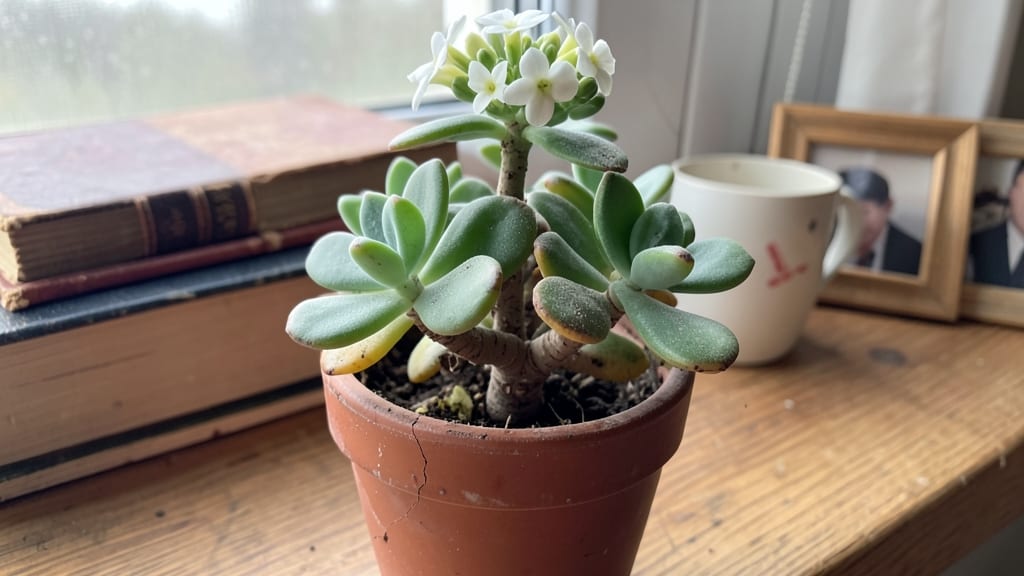
Your jade plant flowering is possible—even if it’s been years since you saw those delicate pink blooms. ✨ I’ve watched jade plants go from stubbornly leafy to bursting with flowers just by tweaking a few key things, and I’m sharing the exact approach that works.
The secret isn’t fancy—it’s about light, patience, and understanding what your plant really needs.
Most people assume jade plants flower only in perfect greenhouses, but I’ve seen them bloom in sunny windowsills and bright living rooms. You’ll need bright, indirect light for at least 6 hours a day, a cool winter (below 65°F) to trigger buds, and a balanced fertilizer in spring.
Overwatering is the silent killer—let the soil dry completely between waterings, or you’ll never see those flowers.
When you get it right, you’ll see tiny pink buds appear in late winter or early spring, followed by star-shaped blossoms that last for weeks. The contrast of those flowers against the thick, glossy leaves is shocking—like your plant just decided to put on a show.
And here’s the best part: once they flower once, they’re more likely to do it again.
Works for both potted jades and those growing in containers on patios. The key is consistency—no shortcuts, just steady care. Let’s get those blooms going!
📚 In This Guide
- What you need
- Instructions
- Tips and common mistakes
- Wrapping up and next steps
What you need
- ● Jade plant (Crassula ovata): A mature plant (3+ years old) is ideal—younger ones rarely flower. Choose a healthy specimen with thick, plump stems.
- ● Well-draining potting mix: A cactus/succulent blend (e.g., cactus soil + perlite/pumice, 60/40 ratio). Avoid heavy garden soil!
- ● Pot with drainage holes: Terracotta or ceramic (1–2 inches larger than the root ball). Pro tip: 💡 Terracotta helps regulate moisture!
- ● Bright, indirect sunlight: A south- or west-facing window (or a grow light for 12–14 hours/day if indoors).
- ● Water: Only when the soil is completely dry (typically every 2–3 weeks). Use room-temperature water.
- ● Spray bottle (for misting leaves lightly during dry spells).
- ● Balanced fertilizer (e.g., 5-5-5 or succulent-specific feed, diluted to half-strength). Apply spring through summer only!
- ○ Thermometer/hygrometer (optional): Monitor temps (ideal: 65–75°F) and humidity (30–50%).
- ● Pruning shears: Sterilized (rubbing alcohol wipe) for trimming leggy stems to encourage bushiness.
- ○ Cold treatment setup (optional): A cool, dark spot (50–55°F) for 6–8 weeks to mimic winter dormancy (e.g., a garage or unheated room).
Step-by-Step instructions for encouraging jade plant flowers
Here's how to coax those stunning pink blooms from your jade plant with simple adjustments.
☀️ Step 1: Provide Bright, Direct Sunlight Daily
Jade plants need at least 4-6 hours of direct sunlight to trigger flowering. Place yours near a south-facing window where it gets morning sun and afternoon light. If your home lacks strong light, supplement with a grow light 6-12 inches away for 12-14 hours daily.
Watch for signs of insufficient light: leaves stretching toward the window or turning pale green. Rotate the plant quarter-turn weekly so it grows evenly. The key is consistent, bright light—this tells the plant it's time to bloom.
💧 Step 2: Water Only When Soil Is Completely Dry
Overwatering prevents flowering by stressing the plant. Stick your finger 1-2 inches into the soil—water only when it feels completely dry. In winter, reduce watering to every 3-4 weeks as growth slows. Jade plants store water in their leaves, so they tolerate drought better than overwatering.
If the soil stays damp for more than a week, you're watering too often. Let the plant signal its needs: slightly wrinkled leaves mean it's thirsty; mushy stems mean you've overdone it. This careful balance is what prompts the plant to conserve energy for blooms.
🪴 Step 3: Use Well-Draining Soil and a Slightly Pot-Bound State
Jade plants thrive in cactus or succulent mix that drains quickly. Repot only when roots circle the pot or every 2-3 years. A slightly root-bound plant flowers more readily because it mimics natural stress conditions in its desert origins.
When repotting, choose a container only 1-2 inches larger in diameter than the current one. Press the soil lightly around the edges to eliminate air pockets. This ensures roots get oxygen while still feeling constrained enough to focus on blooming.
⏰ Step 4: Create Temperature and Dormancy Conditions
Flowering requires a cool period of 50-55°F for 6-8 weeks in winter. Place your jade plant in a cooler room or near a draft-free window. Reduce watering to every 4-6 weeks during this time. This mimics seasonal changes and triggers bud formation.
Watch for new growth in spring—the first sign buds will form. If your home stays above 60°F year-round, you may need to simulate dormancy with a 10°F drop at night using a fan or cooler setting. Patience here is key; blooms won't appear until the plant completes this cycle.
🌱 Step 5: Fertilize Lightly and Only During Growing Season
Use a balanced, water-soluble fertilizer diluted to half strength every 4-6 weeks in spring and summer. Avoid fertilizing in fall or winter when the plant rests. Over-fertilizing causes leafy growth at the expense of flowers.
Look for dark green leaves and steady growth as signs the fertilizer is working. If you see yellowing or crispy edges, flush the soil with water to remove excess salts. The goal is to support healthy leaves while encouraging the plant to allocate energy toward blooms.
Tips & tricks for perfect jade plant flowering
Here's what I've learned from years of watching jade plants bloom—and how to avoid the mistakes that keep them from flowering.
Light Quality Matters: That 4-6 hours of direct sunlight in Step 1 needs to be the right kind of light. South-facing windows work best because they provide the intense light jade plants crave. If you're using grow lights, place them 6-12 inches away and keep them on for the full 12-14 hours daily. I've seen jade plants get enough light but still not flower because the light wasn't bright enough—think of it like how you need strong sunlight to get a good tan, not just any light.
Dormancy is Non-Negotiable: The 6-8 week cool period at 50-55°F in Step 4 is absolutely critical. I've tried skipping this with several plants, and they never bloomed. If your home stays above 60°F year-round, you'll need to create that temperature drop artificially. Place your plant near a window with good airflow or use a small fan at night to drop temperatures by 10°F. Think of it like giving your plant a winter vacation—it needs that rest to recharge for blooming season.
Root Bound is Good Bound: When repotting in Step 3, don't go too big! That slightly pot-bound state is what triggers flowering. I've made the mistake of upgrading to much larger pots, and those plants just focused on growing leaves instead of blooms. Choose a container only 1-2 inches larger than the current one, and if you see roots circling the bottom, that's a good sign it's ready to flower. The constraint mimics the plant's natural desert environment where resources are limited.
Fertilizer Timing is Everything: That balanced fertilizer in Step 5 should only go on during spring and summer—never in fall or winter. I learned this the hard way when I fertilized a jade plant in December, and it responded by growing new leaves instead of buds. The plant needs to focus its energy on blooming, not just leafy growth. When you do fertilize, dilute it to half strength—more isn't better with jade plants.
Pro Tips for Jade Plant Flowering
- Here's what I've learned from years of watching jade plants bloom—and how to avoid the mistakes that keep them from flowering.
- Light Quality Matters: That 4-6 hours of direct sunlight in Step 1 needs to be the right kind of light.
- Dormancy is Non-Negotiable: The 6-8 week cool period at 50-55°F in Step 4 is absolutely critical.
Frequently asked questions
Got questions about coaxing those stunning pink blooms from your jade plant? You’re not alone! Here are answers to the most common curiosities—because patience and the right care can turn your leafy friend into a floral showstopper.
Why does my jade plant rarely flower?
Jade plants (Crassula ovata) are famously slow to bloom—often taking years to produce flowers. The main reasons? Too little light, inconsistent temperatures, or insufficient maturity. Most jade plants need 4+ years of steady care before flowering. If yours is older but still dormant, check its light exposure (south-facing windows or grow lights) and ensure it’s in a stable environment (no drafts or extreme temps).
How long does it take for a jade plant to flower?
Timing varies, but here’s a general rule: 3–5 years for a healthy, mature plant under ideal conditions. Younger plants (under 3 years) may never bloom. Once they’re ready, flowers appear in late winter or early spring, lasting 2–4 weeks. If yours is past 5 years and still not blooming, it might need a growth reset—like a dormant period or repotting.
Can I force my jade plant to flower faster?
While you can’t truly rush the process, you can optimize conditions to encourage blooms. Try these tricks:
- Light: Provide 6+ hours of direct sunlight daily (or a grow light). South-facing windows are ideal.
- Temperature: Mimic winter dormancy—drop temps to 50–55°F (10–13°C) for 6–8 weeks in fall/winter.
- Watering: Reduce watering in winter (let soil dry completely between drinks). Overwatering stresses the plant and delays blooms.
- Repotting: Use a terracotta pot (allows roots to breathe) and fresh, well-draining soil every 2–3 years.
What do jade plant flowers look like, and how do I care for them?
Jade plant flowers are star-shaped, pink to white, and cluster in tight groups at the tips of stems. They’re delicate but low-maintenance:
- Appearance: Blooms last 2–4 weeks and may reappear annually if the plant is happy.
- Watering: Keep soil slightly moist (not soggy) during bloom time to support the energy-intensive process.
- Post-bloom: Once flowers fade, you can prune dead stems to encourage bushier growth.
What if my jade plant flowers but then stops?
If your jade plant blooms once but then skips flowers, it’s often due to stress or inconsistent care. Common culprits:
- Temperature swings: Jade plants hate sudden changes—keep them in a stable 60–75°F (15–24°C) range.
- Over/under-watering: Too much water = root rot; too little = stress. Aim for dry soil between waterings.
- Lack of dormancy: Without a cool, dry winter rest, the plant may focus on leaves instead of blooms.
- Nutrient imbalance: Too much fertilizer can burn roots. Use a balanced, diluted houseplant fertilizer (½ strength) in spring/summer only.
Are there jade plant varieties that flower more easily?
Yes! Some cultivars are more flower-friendly than others. Try these for better blooming odds:
Variety
Flower Color
Notes
Crassula ovata ‘Glamour’
Pink/white (double blooms)
Compact growth, reliable bloomer with proper care.
Crassula ovata ‘Portulacal’
Bright pink
Fast-growing with vibrant flowers; loves full sun.
Crassula ovata ‘Hummel’s Sunset’
Pink with red tips
Variegated leaves + flowers; needs bright light.
Wrapping up and next steps
Witnessing your jade plant bloom is a rewarding experience that combines patience, care, and a little know-how! 🌸 By mastering the right balance of light, temperature, and soil conditions, you’re well on your way to coaxing those stunning pink flowers.
Remember, consistency is key—whether you’re adjusting sunlight or nurturing roots, every effort counts.
Ready to take the next step? Celebrate your progress and keep an eye on your plant’s growth. If you’re eager to explore more, consider experimenting with propagating your blooming jade plant or diving into other houseplant blooming secrets—your green thumb journey is just getting started!