
Companion Plants
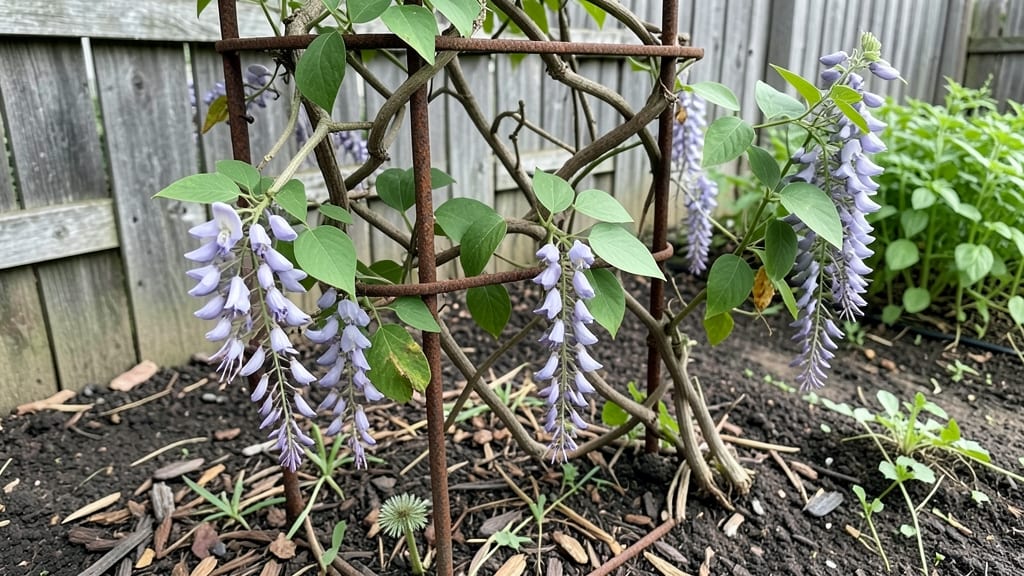
Buying live wisteria plants for your garden means year-round interest—those fragrant purple blooms in spring and rich foliage even in winter. 🌿 I’ve trained mine up a simple trellis, and now it’s the showstopper of my backyard, with almost no pruning needed once established.
The secret isn’t complicated: it’s about the right spot, a sturdy support, and a little patience while the roots settle in.
Wisteria thrives in full sun and well-draining soil, but it’s forgiving if you give it a trellis or strong branch to climb. Most nurseries sell young plants in 5-gallon pots, ready to plant in early spring or fall.
Just dig a hole twice as wide as the root ball, mix in some compost, and water deeply to help it take hold. The first year is all about letting it grow strong before worrying about blooms.
By summer, you’ll see those signature cascading vines taking shape, and by next spring, the fragrance will draw everyone to your yard. The key is minimal pruning—just shape it in late winter and trim back old wood to encourage new growth.
It’s a plant that rewards patience with dramatic results, and once it’s established, it practically takes care of itself.
Works beautifully along fences, pergolas, or even as a standalone specimen. The only real challenge is managing its vigor—give it space to spread, and it’ll give you decades of beauty with almost no effort. Ready to grow yours?
📚 In This Guide
- What you need
- Instructions
- Tips and common mistakes
- Wrapping up and next steps
What you need
- ● Live wisteria plants: Choose between: Seeds (slower but rewarding; requires stratification)
- ● Cuttings (4–6 inches long, semi-hardwood; best in late winter/early spring)
- ● Young potted plants (1–3 years old, 1–2 feet tall; easiest for beginners)
- ● Support structure: Arbor, trellis, or pergola (minimum 8–10 feet tall for climbing varieties like Wisteria sinensis or Wisteria floribunda)
- ● Strong stakes or wires (for dwarf varieties like Wisteria frutescens)
- ● Well-draining soil: Mix of garden soil, compost (50%), and perlite/sand (20%) for optimal aeration.
- ○ Optional: pH test kit (ideal range: 6.0–7.0)
- ● Organic fertilizer: Slow-release 10-10-10 or 5-10-10 NPK blend (spring and early summer)
- ● Mulch: 2–3 inches of wood chips or shredded bark (retains moisture, regulates temperature)
- ● Pruning tools: Bypass pruners (for 1/4-inch stems)
- ● Loppers (for 1/2–1.5-inch stems)
- ● Saw (for thick, woody branches)
- ● Disinfectant (rubbing alcohol or bleach solution)
- ● Gloves: Heavy-duty gardening gloves (wisteria thorns are sharp!)
- ○ Watering can or hose: Drip irrigation system (optional but ideal for consistent moisture)
- ● Trowel & shovel: For digging and transplanting
- ● String or twine: To secure young vines to supports temporarily
- ● Pest control: Neem oil or insecticidal soap (if aphids or spider mites appear)
- ○ Sunlight meter: (Optional to ensure your spot gets 6+ hours of sun/day)
Step-by-Step guide for planting and caring for live wisteria plants
Here's how to establish wisteria so it thrives with minimal fuss—just follow these simple steps.
🌱 Step 1: Choose the Perfect Location and Prepare the Soil
Wisteria loves space and sun—select a spot with at least 6 hours of direct sunlight daily. I always pick a location near a sturdy trellis, fence, or arbor because these vines grow 10-20 feet per year if given the chance. Avoid planting near sidewalks or driveways where roots could crack pavement.
Dig a hole twice as wide as the root ball but only as deep as the container it came in. Amend the native soil with 2-3 inches of compost mixed into the bottom of the hole. Wisteria roots need excellent drainage—if your soil stays soggy, add a 6-inch layer of gravel at the bottom before backfilling.
🪴 Step 2: Plant with Care to Encourage Strong Root Growth
Remove the wisteria from its container and gently tease out any circling roots with your fingers—this prevents girdling as the plant matures. Place it in the hole so the top of the root ball sits 1-2 inches below ground level. The reason for this is that wisteria roots need stability, and burying slightly helps anchor the plant.
Backfill with the amended soil, pressing lightly around the roots to remove air pockets. Water deeply until moisture reaches 12 inches down—you'll see the soil settle and fill gaps. Avoid compacting the soil too firmly; wisteria roots need loose, airy conditions to spread properly.
☀️ Step 3: Provide Support and Water Consistently
Install your trellis or support structure immediately after planting. Wisteria vines need something to climb within 3-4 weeks of planting, or they'll grow into tangled messes. I like to tie the main stems loosely to the trellis with soft plant ties—never wire, which can damage the bark as the vine thickens.
Water 2-3 times per week for the first 6 weeks, keeping the soil evenly moist but not soggy. You'll know it's right when the top 2 inches of soil feel damp to touch. After that, wisteria becomes quite drought-tolerant, but deep watering once a week keeps the blooms abundant.
✂️ Step 4: Prune Strategically for Year-Round Beauty
Here's the thing about wisteria pruning—less is more. In late winter or early spring, before buds swell, cut back 1/3 of the oldest stems to the ground. This encourages new growth and prevents the plant from becoming top-heavy. I always prune on a dry day to reduce sap bleeding, which can attract pests.
During the growing season, trim any wayward shoots that grow toward the center of the plant—this opens up the canopy for better airflow and more sunlight to reach the lower branches. You'll see new growth emerge within 2-3 weeks of pruning, signaling the plant is responding well.
⏰ Step 5: Feed and Protect for Long-Term Success
Apply a balanced 10-10-10 fertilizer in early spring and again after the first flush of blooms. I use about 1/2 cup per plant, spread evenly around the root zone and lightly scratched into the top inch of soil. Wisteria is heavy-feeder, but too much nitrogen leads to leafy growth at the expense of flowers.
Watch for aphids or spider mites, which love the new growth. A strong spray of water usually knocks them off, but if an infestation persists, use an insecticidal soap. Mulch with 2-3 inches of wood chips to retain moisture and suppress weeds—just keep the mulch 6 inches away from the trunk to prevent rot.
Tips & tricks for perfect wisteria planting and care
Wisteria thrives when you pay attention to these small but powerful details—here's what I've learned after years of growing these stunning vines.
Location and Soil Secret: In Step 1, when preparing your planting site, test your soil's drainage by digging a hole and filling it with water. If it drains completely within 6 hours, your soil is perfect. If not, add that 6-inch gravel layer at the bottom—this prevents root rot, which is wisteria's biggest enemy. I've seen plants struggle in heavy clay soil until I made this adjustment.
Root Care Technique: During Step 2, when teasing out circling roots, don't rush this step. Take your time to gently separate them with your fingers—this prevents girdling, where roots grow around the stem and strangle the plant as it matures. I once skipped this with a young wisteria and had to prune out damaged growth for years afterward.
Watering Wisdom: In Step 3, when watering those first 6 weeks, use a moisture meter to check soil dampness at 2 inches deep. Wisteria roots need consistent moisture but hate soggy conditions. I water in the morning so the foliage has time to dry before evening, which prevents fungal issues that can stress young plants.
Pruning Pro Tip: When you're cutting back that 1/3 of oldest stems in Step 4, always make clean cuts just above a bud or lateral branch. This encourages stronger regrowth from the right spot. I mark my pruning spots with a white crayon before cutting—it helps visualize where new growth will emerge.
Pro Tips for Live Wisteria Plants
- Wisteria thrives when you pay attention to these small but powerful details—here's what I've learned after years of growing these stunning vines.
- Location and Soil Secret: In Step 1, when preparing your planting site, test your soil's drainage by digging a hole and filling it with water.
- Root Care Technique: During Step 2, when teasing out circling roots, don't rush this step.
Frequently asked questions
Got questions about growing and caring for live wisteria plants? You’re not alone! Here are some of the most common concerns—and their solutions—to help you nurture lush, fragrant vines with ease.
When is the best time to plant live wisteria?
Plant wisteria in early spring (after the last frost) or fall (4-6 weeks before the first frost). This gives roots time to establish before extreme temperatures. Avoid transplanting in summer—heat stress can stunt growth. If buying bare-root plants, soak roots in water for 1-2 hours before planting for a healthier start!
How fast do live wisteria plants grow, and how much space do they need?
Wisteria grows 1-2 feet per year when mature, but young plants may surge faster with proper care. Allocate 10-15 feet of vertical space (trellises, arbors, or pergolas) and 8-10 feet of horizontal spread for mature vines. Prune aggressively in winter to control size—this plant will take over if left unchecked!
How often should I water live wisteria plants?
Water deeply 1-2 times per week during the first year to encourage root growth. Mature wisteria is drought-tolerant but thrives with 1 inch of water weekly (more in extreme heat). Mulch around the base to retain moisture and protect roots. Never let soil dry out completely—wilting can stress young plants.
Can I grow live wisteria in containers, or does it need to be planted in the ground?
While wisteria prefers ground planting for long-term health, you can grow it in large containers (15+ gallons) for patios or small spaces. Use well-draining soil and repot every 2-3 years. Containers limit root spread, so expect slower growth and fewer blooms compared to in-ground plants. Drainage holes are a must—root rot is a silent killer!
What pests or diseases should I watch for in live wisteria plants?
Wisteria is generally low-maintenance, but keep an eye out for:
- Aphids: Crunchy leaves? Spray with soapy water or introduce ladybugs.
- Powdery mildew: White dust on leaves? Improve airflow and apply fungicide.
- Japanese beetles: Handpick or use neem oil to protect blooms.
Do live wisteria plants survive winter?
Yes! Wisteria is hardy in USDA zones 5-9. In colder climates (<30°F), wrap young plants with burlap or frost cloth and mulch heavily. Prune after dormancy (late winter) to shape vines and encourage spring blooms. Over-pruning too early can shock the plant.
Wrapping up and next steps
Transforming your space with live wisteria plants is a rewarding journey that blends beauty with minimal upkeep—once you’ve mastered the basics! 🌸 Their fragrant blooms and lush vines will not only elevate your garden’s charm but also create a serene, inviting atmosphere year-round.
Whether you’re a seasoned gardener or just starting out, wisteria’s resilience and adaptability make it a fantastic choice.
Ready to dive in? Start by selecting your variety and prepping your space—then watch your garden flourish with vibrant, fragrant beauty. Happy planting! 🌱