
Pests
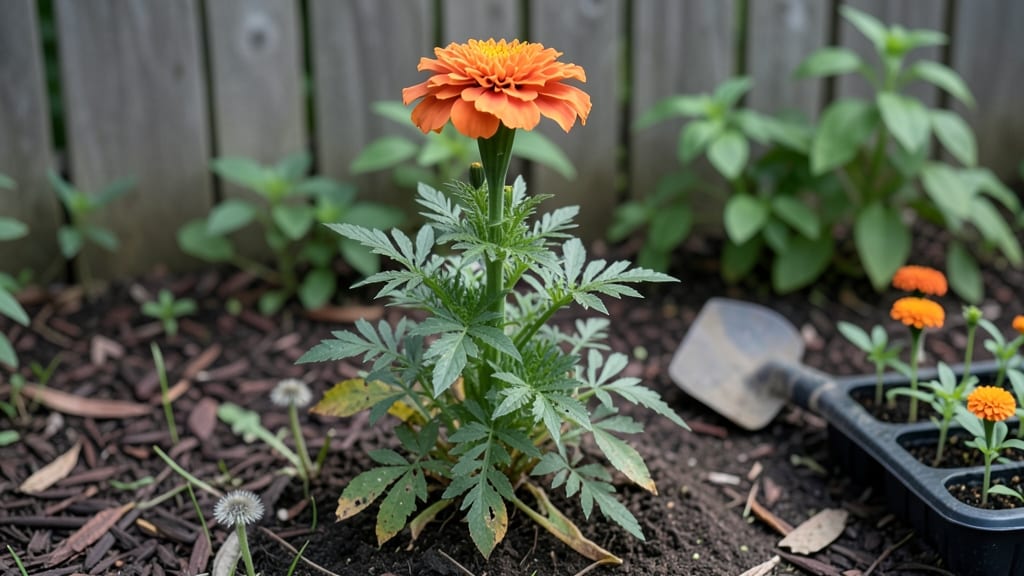
The right marigold planting distance turns these bright 🌼 blooms into your garden’s best pest-fighting allies.
Struggling to maximize marigold's natural pest-repelling power? The secret isn't just in planting them—it's in how far apart you space them. Too close, and they compete for sunlight; too far, and pests slip through the gaps.
In USDA Zone 6a, planting marigolds 12-18 inches apart keeps them strong and effective. Whether you're lining a border or mixing them into veggie beds, spacing makes all the difference.
Here’s how to get it right: from soil prep to sunlight tricks, plus the spacing mistakes that invite pests back in.
Optimal marigold planting distance for maximum pest control
Marigolds aren't just pretty—they're natural pest repellents that keep aphids, nematodes, and even rabbits away. But their effectiveness depends on proper spacing. Crowding them reduces airflow, traps moisture, and weakens their pest-deterrent properties.
The right distance ensures maximum sunlight exposure and air circulation, making your marigolds work harder for your garden.
Different marigold varieties have unique spacing needs. French marigolds (like 'Bonanza' or 'Tangerine') stay compact, while African marigolds (like 'Crackerjack' or 'Vanilla Twist') grow taller and need more room.
Mixing varieties? Plan ahead—each type competes for sunlight and nutrients if spaced incorrectly. Let’s break down the science behind spacing for peak pest control.
| Variety | Spacing (inches) | Mature Height | Sunlight Needs | Pest Control Range |
|---|---|---|---|---|
| French Marigolds (e.g., 'Bonanza') | 12–18" | 12–24" | Full sun (6+ hours) | 2–3 feet radius |
| African Marigolds (e.g., 'Crackerjack') | 18–24" | 24–36" | Full sun (6+ hours) | 3–4 feet radius |
| Mixed Varieties | 16–20" | 12–36" | Full sun (6+ hours) | 2–4 feet radius |
| Dwarf Varieties (e.g., 'Baby') | 8–12" | 6–12" | Full sun (6+ hours) | 1–2 feet radius |
The 12–18 inch spacing for French marigolds isn’t arbitrary—it matches their mature width of 12–24 inches. This prevents leaves from touching, reducing fungal diseases like powdery mildew. African marigolds, however, need 18–24 inches because their taller stems (24–36 inches) cast wider shadows.
If you’re planting a mixed border, aim for 16–20 inches to balance airflow and sunlight.
For maximum pest control, marigolds must release their alpha-terthienyl compounds effectively. Overcrowding blocks this process, making them less effective against nematodes and aphids. Space them according to their pest control range—French marigolds protect a 2–3 foot radius, while African marigolds cover 3–4 feet.
Plant them in a grid pattern around your veggie garden for even coverage.
Another key factor is soil preparation. Amend your soil with compost before planting to improve drainage—marigolds hate soggy roots.
Mix in a balanced fertilizer (5-10-10) at planting time to encourage strong root growth, which translates to better pest resistance. Well-fed marigolds produce more of those natural repellents that keep pests at bay.
If you’re using marigolds as border plants, space them 12–18 inches apart for a dense, colorful edge. For container gardening, limit to 1–2 plants per 12-inch pot—any more and they’ll compete for nutrients.
In raised beds, maintain the same spacing as in-ground planting but add extra compost to compensate for faster drying soil.
Pro tip: Use string or stakes to mark planting spots before digging. This ensures even spacing and prevents accidental overcrowding. After planting, water deeply to settle the soil and encourage root growth. Morning watering is best—it gives foliage time to dry, reducing disease risk from evening moisture.
Watch for signs of stress, like yellowing leaves or stunted growth. These often signal overcrowding or poor airflow. Thin seedlings early if they’re growing too close, and avoid planting marigolds where they’ll shade other plants. Their pest-repelling power fades if they’re struggling to thrive.
Remember, marigolds aren’t just about looks—they’re a garden’s first line of defense. By following these spacing guidelines, you’ll create a pest-free zone that
How to adjust marigold spacing for different garden layouts
Your marigolds aren't just pretty faces—they're tiny pest-repelling powerhouses, but only if you give them the right space. The marigold planting distance changes dramatically depending on whether you're planting them in containers, flower borders, or vegetable gardens.
Too close, and you'll lose their effectiveness; too far, and you waste valuable space. Let's break down the best spacing for each scenario to keep your garden thriving and pest-free.
Marigolds are incredibly versatile, but their spacing needs shift based on your garden's layout. For example, French marigolds—the smaller, bushier varieties—need different spacing than African marigolds, which grow taller and more upright.
Even within the same type, container gardening requires tighter spacing than in-ground planting. The key is balancing their pest-repelling benefits with your garden's design goals.
For container gardening, you can get away