
Planting
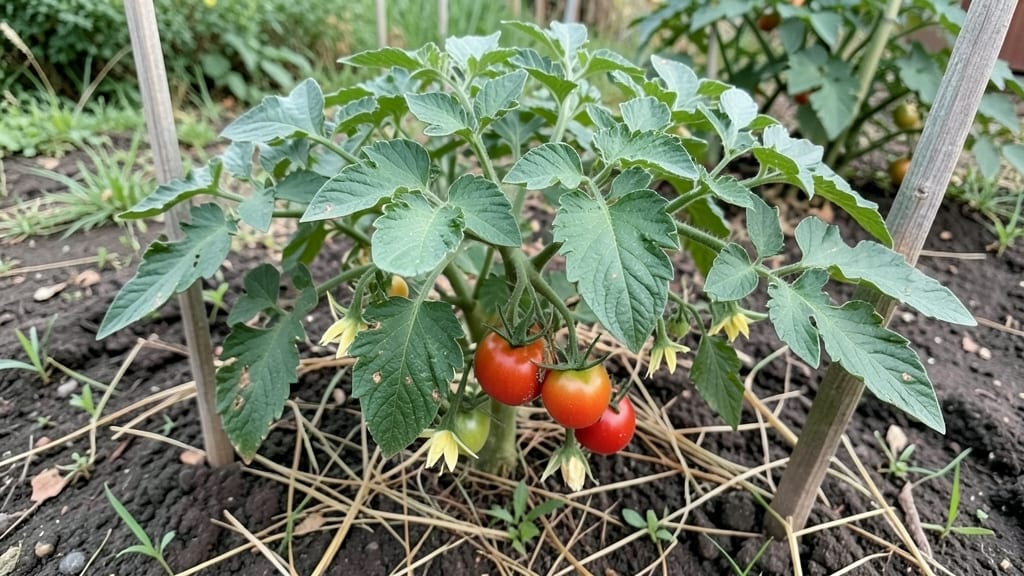
A mature tomato plant 🍅 can produce hundreds of pounds of fruit—but that bounty comes with a catch: heavy branches often snap under the weight, leaving you with broken stems and wasted harvests.
Picture this: you’ve nurtured your tomato from a tiny seedling to a thriving vine, only to watch it groan under the weight of ripening fruit. Without the right support and pruning, even the hardiest plants can collapse, turning your summer’s work into a heartbreaking loss.
Here’s the good news: with a few simple techniques, you can turn that risk into a guarantee. We’ll cover how to prune for strength, choose the best support system, and keep your plant producing until the first frost—without a single branch breaking under the load.
Ready to save your harvest? Let’s dive into the secrets that’ll keep your tomato plant standing tall and your kitchen overflowing with ripe, homegrown tomatoes all season long.


How to prune a mature tomato plant for maximum fruit production
Pruning your mature tomato plant isn’t just about keeping it tidy—it’s a game-changer for fruit production. When done right, strategic pruning boosts airflow, directs energy to fruit development, and prevents disease.
But skip it, and you risk broken branches or stunted growth. The key? Knowing when, how much, and where to trim based on your plant’s type.
Indeterminate varieties—like Sungold cherry tomatoes or Brandywine—keep growing and producing all season, while determinate types (such as Roma or Celebrity) set fruit in one big flush. Each needs a different approach.
For indeterminate plants, pruning is essential; for determinate, it’s often minimal. Let’s dive into the step-by-step process to keep your plant thriving and your harvest bountiful.
Step-by-Step Pruning Guide for Mature Tomato Plants
-
Step 1: Identify Your Variety
Determinate? Prune lightly. Indeterminate? Go bold. -
Step 2: Wait Until After Flowering
Prune after flowers appear but before fruit sets to avoid stress. -
Step 3: Remove Suckers Early
Pinch off suckers (shoots in leaf axils) weekly to redirect energy to main stem. -
Step 4: Thin Fruit Clusters
Leave 1-2 tomatoes per cluster—overcrowding stresses the plant. -
Step 5: Prune Lower Leaves
Trim leaves touching soil to prevent disease and improve airflow. -
Step 6: Support the Plant
Use cages or stakes to hold heavy fruit loads and prevent snapping.
Start by removing suckers—those small shoots that grow in the leaf axils between the main stem and branches. These compete for nutrients with your fruit production.
For indeterminate plants, keep only the top 2-3 suckers to encourage vertical growth, while determinate types rarely need pruning beyond removing diseased leaves. Use clean, sharp pruning shears to avoid tearing stems, which can invite pests.
Next, focus on fruit thinning. Overloaded branches bend under the weight, risking broken stems or blossom end rot. Gently twist off excess tomatoes, leaving the largest, healthiest ones.
Aim for 5-7 inches between clusters to ensure proper airflow and sunlight penetration. This simple step can double your yield by reducing competition for resources.
Don’t forget to prune lower leaves, especially those touching the soil. These act as disease magnets for fungi like early blight. Snip them off as you go, keeping the plant’s energy focused on fruit development rather than maintaining unnecessary foliage.
Pro tip: Work in the morning when plants are hydrated, making them less stressed from pruning.
For indeterminate varieties, continue pruning throughout the season, removing suckers and thinning fruit every 2-3 weeks. These plants grow 6+ feet tall, so use a trellis or stake to guide their growth upward.
Determinate plants, however, stop growing after their first flush of fruit, so minimal pruning is needed—just remove any yellowing or diseased leaves to keep the plant healthy.
Watch for signs your plant is over-pruned, like stunted growth or fewer flowers. If this happens, dial back your trimming and focus on fertilizing and watering consistently.
A balanced approach ensures your tomato plant stays productive without sacrificing its health. With the right technique, you’ll enjoy a heavier harvest and fewer stressed plants.
Remember, pruning isn’t just about cutting—it’s about strategic growth management. By following these steps, you’ll train your plant to channel its energy into larger, healthier tomatoes while keeping it disease-free. Happy pruning, and may your harvest be abundant! 🍅✂️🌿
Best support systems for heavy-fruited mature tomato plants
When your mature tomato plant is weighed down by heavy fruit loads, the right support system can mean the difference between a thriving harvest and broken branches. Without proper support, even the sturdiest indeterminate varieties like 'Sungold' or 'Brandywine' will flop over, leading to disease risks and lost production.
The key is choosing a system that matches your garden space, plant type, and yield goals—whether you're growing in containers or sprawling rows.
Support systems aren’t just about keeping plants upright—they also improve airflow, reduce soil-borne diseases, and make harvesting easier. For determinate tomatoes like 'Roma' or 'Celebrity,' bushy growth benefits from cages or stakes, while indeterminate varieties thrive on tall trellises or stakes.
Let’s break down the best options and how to pick the perfect fit for your tomato plants this season.
| Support Type | Best For | Space Needs | Ease of Use | Durability |
|---|---|---|---|---|
| Tomato Cages | Determinate varieties, small spaces | Compact (3-4 ft diameter) | Easy to install, minimal maintenance | Moderate (may rust, needs reinforcement) |
| Wooden Stakes | Indeterminate varieties, single plants | Minimal (1-2 ft width) | Simple, requires tying vines | High (lasts multiple seasons) |
| Trellis Systems | Indeterminate varieties, vertical gardens | Moderate (3-6 ft tall) | Moderate (needs pruning, tying) | Very high (metal or PVC lasts years) |
| Florida Weave | Heirloom varieties, high yields | Moderate (4-5 ft tall, wide) | Moderate (requires weaving vines) | High (durable bamboo or wood) |
| Container Supports | Potted tomatoes, balconies | Compact (matches pot size) | Easy (cages or stakes work well) | Moderate (plastic cages degrade faster) |
For determinate tomatoes, tomato cages are the go-to choice because they’re low-maintenance and fit neatly into small gardens. Look for 5-6 ft tall cages with 14-16 gauge wire to prevent bending under heavy fruit loads.
My Roma tomatoes in containers thrive with plastic cages because they’re lightweight and rust-proof, though I reinforce them with twine ties for extra stability.
If you’re growing indeterminate varieties, opt for trellis systems or wooden stakes to guide vertical growth. A 6-ft tall trellis made from PVC pipes or metal cages works wonders for 'Sungold' cherry tomatoes, keeping vines off the ground and improving air circulation.
For a rustic touch, try a Florida weave made from bamboo stakes—it’s sturdy, attractive, and encourages natural vine growth patterns.
Don’t overlook container gardening if space is limited. Even 5-gallon buckets can support dwarf tomato varieties like 'Tiny Tim' with a small cage or single stake. The key is to secure the support before the plant gets too top-heavy.
I always bury stakes 12-18 inches deep and use soft plant ties to avoid damaging stems as the plant grows.
Pro tip: Combine supports for maximum yield. Start with a stake or cage and add a trellis extension as the plant grows taller. This hybrid approach works especially well for heirloom varieties that produce large, heavy fruit.
Just remember to prune suckers regularly to redirect energy into fruit production rather than excessive foliage.
Your support system should also consider harvesting ease. A well-structured trellis lets you pluck ripe tomatoes without disturbing the plant, while low cages make it easier to reach fruit near the ground.
Whichever you choose, install supports early—once your plant is laden with fruit, it’s too late to avoid branch breakage or disease spread.