
Companion Plants
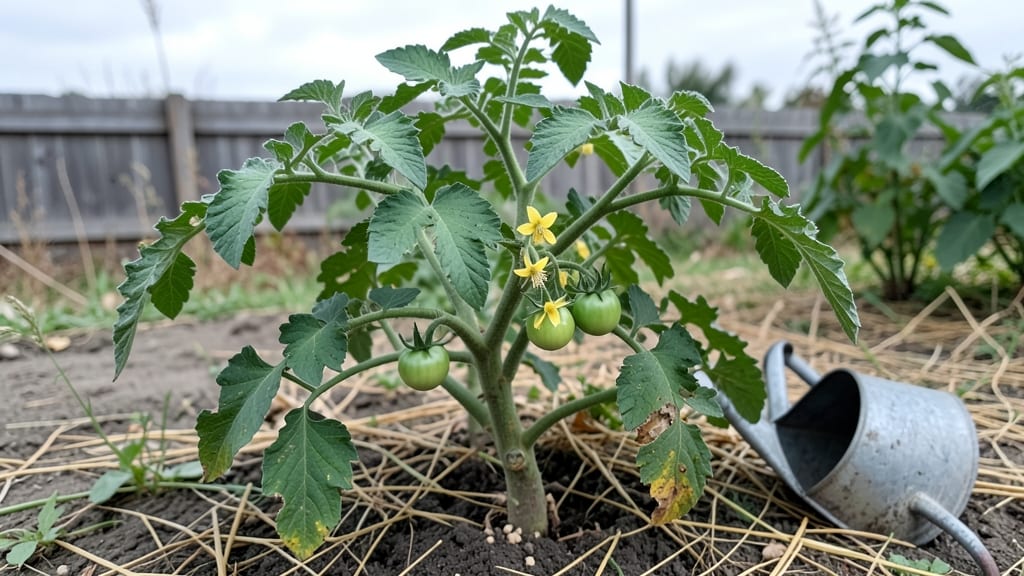
Plant nutrition isn't just science—it's the secret behind every shockingly lush garden I've ever seen. 🌱 The right balance of nutrients turns struggling seedlings into vigorous plants that produce like crazy, and I'm breaking down exactly how to feed your garden the right way.
Most gardeners overlook the basics, but once you understand what plants actually crave, your harvests will change overnight.
The core trio—nitrogen for leafy growth, phosphorus for roots and flowers, and potassium for overall health—is just the beginning. Micronutrients like iron and magnesium often get ignored, yet they're what keeps plants from turning yellow or stunting mid-season.
I'll show you how to spot deficiencies early (like purple stems or slow growth) and fix them without breaking the bank. Organic options like compost or fish emulsion work just as well as synthetic fertilizers, once you use them right.
By the end, you'll know exactly what your tomatoes, peppers, or herbs need to thrive—no guesswork. The payoff? Plants that grow faster, resist pests better, and produce more than you thought possible.
This isn't just theory; it's the system I've used to turn my own garden from "meh" to "neighbor-jealousy levels" in just one season.
Whether you're starting from scratch or troubleshooting a struggling plant, these science-backed tips will give you the confidence to feed your garden like a pro. Let's get those roots growing strong!
📚 In This Guide
- What you need
- Instructions
- Tips and common mistakes
- Wrapping up and next steps
What you need
- ● Soil Test Kit – pH 5.0–7.0 range (digital or liquid test strips). Pro tip: Test soil every 2–3 years or after major amendments!
- ○ Balanced Fertilizer – 10-10-10 or 20-20-20 NPK ratio (5–10 lbs per 100 sq ft). Optional: Slow-release granules for convenience.
- ● Micronutrient Mix – Chelated iron, zinc, manganese, and copper (1–2 oz per gallon of water).
- ● Organic Matter – Compost (2–3 inches mixed into topsoil) or worm castings (1 cup per plant).
- ● Watering Can or Hose – With adjustable nozzle for precision (e.g., 1–3 gallon capacity).
- ● pH Adjusters – Lime (to raise pH) or sulfur (to lower pH) as needed.
- ● Gloves & Safety Gear – Nitrile gloves and goggles (if handling concentrated amendments).
- ● Hydroponic Nutrients – For soilless setups (e.g., A/B liquid blends).
- ● Foliar Spray Bottle – 16 oz with fine mist nozzle for micronutrient delivery.
- ● Moisture Meter – To avoid over/under-watering (soil probes or smart sensors).
- ● Companion Plant Guide – Reference chart for pairing plants with beneficial nutrients (e.g., legumes for nitrogen).
- ● DIY Compost Bin – For sustainable nutrient recycling (e.g., tumblers or vermicompost systems).
Science-backed plant nutrition: how to feed your garden for maximum growth
Healthy plants start with the right nutrients—think of it as a balanced meal for your garden.
🌱 Step 1: Understand the Big Three Nutrients
The foundation of plant nutrition is the NPK ratio—nitrogen (N), phosphorus (P), and potassium (K). Nitrogen fuels leafy growth, phosphorus strengthens roots, and potassium regulates water and disease resistance. Most all-purpose fertilizers list these numbers on the label, like 10-10-10 or 5-10-5. For example, leafy greens like lettuce and spinach thrive with a higher nitrogen ratio, while flowering plants (tomatoes, peppers) need more phosphorus to develop fruit.
I always check the NPK ratio before buying fertilizer—mismatched nutrients lead to lush leaves but no fruit, or weak stems that flop over. If your plants look pale and leggy, they’re nitrogen-hungry. Yellowing leaves with purple stems? That’s a phosphorus deficiency. Brown leaf edges? Potassium’s missing. Start with a balanced 10-10-10 for general use, then adjust based on what your plants show.
💧 Step 2: Apply Nutrients at the Right Time
Timing nutrients correctly is just as important as the type. Early in the growing season, focus on nitrogen to build strong foliage. Once plants flower or set fruit, switch to a phosphorus-heavy fertilizer (look for a 5-10-5 or 5-20-20 ratio). Potassium becomes critical in late summer to help plants withstand heat and stress. I like to use a slow-release granular fertilizer in spring and a liquid feed every 4-6 weeks during active growth.
Don’t overdo it—too much fertilizer burns roots and harms soil microbes. Always follow package instructions, but I’ve found half the recommended dose works just as well for most garden plants. Water deeply after applying to help nutrients reach the root zone. If you notice crispy leaf edges or stunted growth, you’ve likely over-fertilized. Flush the soil with extra water to dilute excess salts.
☀️ Step 3: Supplement with Micronutrients for Stronger Plants
While NPK gets the spotlight, micronutrients like iron, zinc, and magnesium are the unsung heroes of plant health. A deficiency in iron causes yellowing between leaf veins (chlorosis), while magnesium deficiency turns older leaves yellow with green veins. I use a chelated micronutrient blend once a month during the growing season to cover all bases. For container plants, micronutrients are especially critical because potting mixes deplete faster.
Epsom salt (magnesium sulfate) is a cheap, effective fix for magnesium deficiency. Dissolve 1 tablespoon per gallon of water and spray on leaves or water into the soil. For iron, I use iron chelate—it’s absorbed quickly and won’t lock up in alkaline soil. If your plants look weak despite balanced NPK, micronutrients are the likely missing piece. Test your soil every few years to identify specific deficiencies before symptoms appear.
✂️ Step 4: Feed Organically for Long-Term Soil Health
Synthetic fertilizers deliver fast results, but organic amendments build soil fertility over time. Compost adds humus and beneficial microbes, while worm castings provide a gentle, nutrient-dense boost. I mix 2-3 inches of compost into the top 6 inches of soil in early spring, then top-dress with 1 inch of worm castings during the growing season. Fish emulsion and seaweed extract are my go-to liquid organic fertilizers—they’re packed with micronutrients and growth hormones.
Organic matter improves soil structure, retains moisture, and encourages mycorrhizal fungi that help roots absorb nutrients. If you’re new to organics, start with well-aged compost—fresh manure can burn plants. I avoid synthetic fertilizers in my vegetable garden because I’ve seen how quickly soil degrades when you rely on quick fixes. Healthy soil equals healthy plants, and that’s a long-term investment worth making.
🌿 Step 5: Monitor and Adjust Based on Plant Signals
Plants don’t just need nutrients—they tell you what they need. Yellow leaves often mean nitrogen deficiency, but they can also signal overwatering or poor drainage. Stunted growth might be a phosphorus issue, but it could also be root-bound or compacted soil. I keep a plant health journal to track symptoms, fertilizers used, and weather conditions. This helps me spot patterns—like how my tomatoes always need extra potassium in hot summers.
If you’re unsure what’s wrong, take a soil sample to a local extension office. They’ll test for pH and nutrient levels, then recommend adjustments. For example, if your soil is too acidic (below 6.0), add lime to raise the pH. If it’s too alkaline (above 7.5), use sulfur or peat moss to lower it. Most vegetables prefer a slightly acidic to neutral pH (6.0-7.0), while blueberries and azaleas thrive in acidic soil (4.5-5.5). Adjusting pH ensures your plants can access the nutrients you’re providing.
Tips & tricks for perfect plant nutrition
Mastering plant nutrition isn't about guesswork—it's about understanding the science behind what your garden truly needs. Here's how to elevate your gardening game with precision and care.
NPK Ratio Deep Dive: When selecting a fertilizer, don't just grab the first bag you see. The 10-10-10 ratio is a great starting point, but you'll want to adjust based on your plants' needs. For leafy greens, look for a fertilizer with a higher first number (like 20-10-10) to boost that nitrogen-rich foliage. For flowering plants, aim for a balanced or slightly higher phosphorus ratio (like 10-20-10) to encourage blooming. Remember, the numbers represent the percentage of nitrogen, phosphorus, and potassium by weight—so a 5-10-5 fertilizer has twice as much phosphorus as nitrogen.
Seasonal Fertilizer Strategy: Your garden's nutritional needs change throughout the year, just like ours do. In spring, focus on nitrogen to build strong stems and leaves—this is when your plants are most actively growing. Once flowering begins, switch to a phosphorus-heavy fertilizer to support fruit and flower development. In late summer, potassium becomes your best friend as it helps plants prepare for winter and resist disease. I like to use a slow-release granular fertilizer in spring and supplement with liquid feeds every 4-6 weeks during active growth, but always follow package instructions as a starting point.
Micronutrient Mastery: Don't overlook those small but mighty micronutrients—they're the difference between healthy plants and struggling ones. For iron deficiencies causing yellowing between leaf veins (chlorosis), I've found iron chelate to be most effective because it's readily available to plants in all soil types. For magnesium issues, that 1 tablespoon of Epsom salt per gallon of water is a game-changer—just be sure to apply it directly to the soil or spray it on leaves during cool, dry weather to prevent leaf burn. These micronutrients work best when applied preventatively, so consider a monthly chelated micronutrient blend during the growing season.
Organic Soil Building: While synthetic fertilizers provide quick results, organic amendments like compost and worm castings build soil fertility over time. When incorporating 2-3 inches of compost into your soil, work it into the top 6 inches to improve structure and water retention. For container plants, I mix in worm castings at planting time—they provide a gentle, nutrient-dense boost without the risk of burning roots. Remember, organic matter doesn't just feed your plants; it creates a thriving ecosystem of beneficial microbes that help roots absorb nutrients more efficiently. This long-term approach pays off with healthier plants and more abundant harvests.
Pro Tips for Nutrition For Plants
- Mastering plant nutrition isn't about guesswork—it's about understanding the science behind what your garden truly needs.
- NPK Ratio Deep Dive: When selecting a fertilizer, don't just grab the first bag you see.
- Seasonal Fertilizer Strategy: Your garden's nutritional needs change throughout the year, just like ours do.
Frequently asked questions
Got questions about feeding your plants the right way? You’re not alone!
Here are some of the most common queries—plus science-backed answers to keep your garden thriving.
What are the 3 most essential nutrients for plants, and how do I provide them?
Plants need nitrogen (N) for leafy growth, phosphorus (P) for root development, and potassium (K) for overall health. Use a balanced 10-10-10 fertilizer or organic options like compost, bone meal (for P), and banana peels (for K). Pro tip: Soil tests reveal deficiencies—adjust accordingly!
How often should I fertilize my plants?
Most plants thrive with fertilizer every 4–6 weeks during growing season (spring/fall). Over-fertilizing burns roots! Slow-release granules or organic compost reduce frequency. New plants? Wait 4–6 weeks after transplanting to avoid shock. Watch for yellow leaves—signs of over/under-feeding!
Can I use kitchen scraps as plant food? What’s safe?
Safe scraps:
coffee grounds (acid-loving plants), eggshells (crushed for calcium), and veggie peels (compost or blend into water). Avoid: citrus, onions, or meat—these harm soil microbes. Tip: Bury scraps 2–3 inches deep to prevent pests.
What if my plants look unhealthy despite fertilizing?
Check for root issues (rotting = overwatering), pests (aphids steal nutrients), or light deficiencies (yellow leaves). Adjust care: repot if roots are bound, prune pests, or move to brighter light. Soil pH matters! Test it—most plants prefer 6.0–7.0.
Are organic fertilizers better than synthetic ones?
It depends! Organic (compost, manure) improves soil long-term but releases nutrients slowly. Synthetic (chemical fertilizers) act fast but risk burning plants. Best of both? Use organic for soil health + a quick synthetic boost during blooming (e.g., tomato plants).
Wrapping up and next steps
Mastering nutrition for plants is your secret weapon for a lush, vibrant garden! 🌱 Whether you’re tweaking soil pH, balancing nutrients, or embracing companion planting, science-backed strategies ensure your plants thrive. Start small—test soil, observe growth, and adjust as needed.
Your next step? Experiment with confidence! Try one new technique this season—whether it’s compost tea, organic fertilizers, or pairing plants for mutual benefits. Every gardener grows with each harvest. Happy planting! 🌿