
Watering
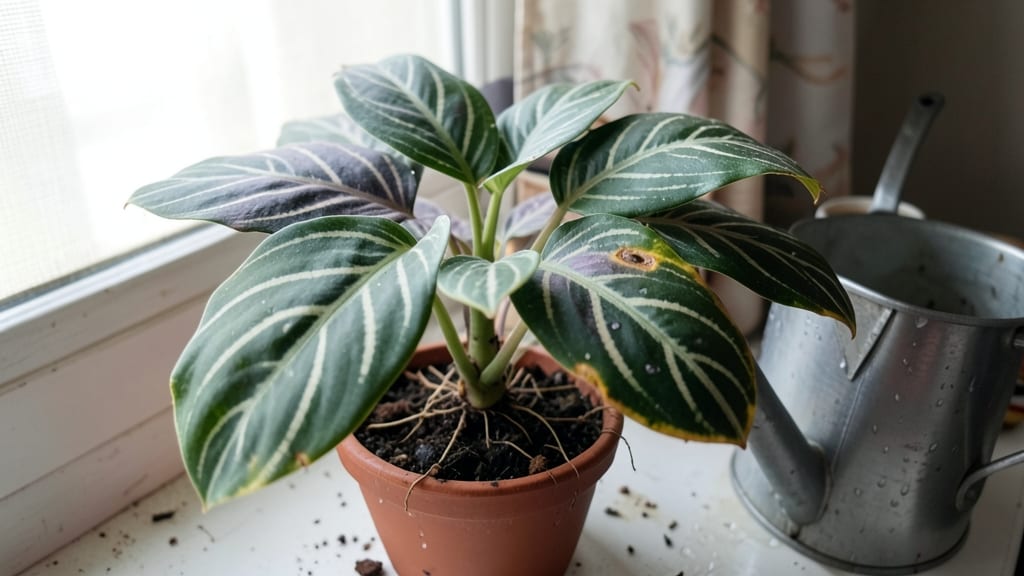
An overwatered zebra plant with yellow stems isn’t dying—here’s how I nursed mine back to life after root rot took hold. The moment I noticed the mushy stems and drooping leaves, I acted fast because zebra plants (Aphelandra squarrosa) can't handle soggy soil for long.
Most people wait too long, but you can turn this around in just 3 days with the right approach.
Here's the thing—zebra plants love moisture, but their roots need air too. I learned this after drowning mine in a decorative pot with no drainage. The fix starts with cutting back any mushy stems (use clean scissors!) and repotting into fresh, well-draining mix.
Then it's about watering only when the top inch of soil feels dry—no more guesswork. My plant bounced back in 5 days with new growth.
You'll see the yellow stems firm up within 24 hours of proper drainage, and fresh green leaves appear in 3-5 days. The key is consistency: check soil moisture daily until you see improvement, then taper off.
Once recovered, your zebra plant will reward you with those striking purple-and-white blooms all summer long.
This works for both potted plants and those in garden beds—just adjust the pot size. The same rules apply whether your zebra plant lives indoors by a sunny window or outdoors in partial shade. Let's get those stems back to their vibrant self!
Why Your Zebra Plant Gets Drowned
If your Aphelandra squarrosa (commonly known as the zebra plant) is sporting sad, yellowing stems and drooping leaves, overwatering is likely the culprit. This tropical beauty thrives in humidity but despises soggy roots. Let’s break down the key reasons this happens—so you can fix it fast.
Zebra plants are native to the understory of South American rainforests, where they experience brief, frequent rain showers followed by rapid drainage. When you water them daily or keep the soil constantly moist, their roots suffocate. Here’s why:
- Poor Oxygen Supply: Roots need oxygen to respire and absorb nutrients. Waterlogged soil displaces oxygen, leading to anaerobic conditions—a root’s worst nightmare. This triggers root rot (often caused by Pythium or Phytophthora fungi), which cuts off water and nutrient uptake, causing stems to turn yellow.
- Salt Buildup: Tap water contains minerals like chlorine and fluoride. Over time, these salts accumulate in the soil, creating a hypertonic solution that draws moisture out of the roots, dehydrating the plant even when the soil looks wet.
- Weakened Cell Walls: Excess water dilutes the soil’s nutrients, making it harder for the plant to absorb essential elements like potassium and magnesium. Without these, cell walls weaken, leading to stem softening and yellowing.
Pro Tip: 💡 Stick your finger 2 inches deep into the soil—if it’s damp, wait. Zebra plants prefer soil that’s 60% dry between waterings.
A zebra plant’s roots are delicate but hate sitting in water. If your pot lacks drainage holes or the soil is too dense (like pure garden soil), water pools at the bottom, creating a permanent swamp for your plant’s roots.
- Clay or Compacted Soil: Heavy soils like clay don’t allow water to escape quickly. Even if you water lightly, the moisture gets trapped, leading to chronic root rot.
- No Drainage Holes: Pots without holes act like a bathtub for your plant. Water has nowhere to go, and roots drown within days.
- Overpotting: A pot that’s too large holds excess moisture for weeks. A zebra plant’s root system is small—it doesn’t need a 12-inch pot if it’s only 6 inches tall!
Fix It: ✨ Repot in a terracotta or fabric pot with a chunky, airy mix (e.g., 50% peat moss, 30% perlite, 20% orchid bark). Add 3-4 drainage holes if DIY-ing a pot.
Zebra plants love humidity (60-80% is ideal), but high humidity + overwatering = disaster. When the air is damp, the soil stays wet longer because evaporation slows down.
- Slow Drying Soil: In humid conditions, water evaporates at a snail’s pace. If you’re used to watering every 3 days in dry air, the same schedule in a steamy bathroom will drown the roots.
- Fungal Growth: Humidity + excess moisture = perfect conditions for fungi like Erwinia or Botrytis. These pathogens attack weakened stems, causing yellowing and mushy tissue.
- Transpiration Stress: High humidity reduces the plant’s ability to transpire (release water vapor). Without this cooling mechanism, the plant overheats and struggles to regulate water uptake.
Adjust Now: 🌡️ Use a hygrometer to monitor humidity. If it’s above 70%, reduce watering by 50% and improve airflow with a small fan.
Zebra plants slow down in winter (their dormant season) and need less water. Yet many people keep watering them the same way year-round. Here’s what happens:
- Reduced Metabolism: In cooler months, the plant’s growth slows, so it absorbs less water. Overwatering forces roots to sit in soggy soil, leading to rot.
- Cooler Soil Temps: Cold soil doesn’t dry as fast as warm soil. If you’re watering on a schedule, the roots may never dry out between sessions.
- Weakened Immunity: Stress from overwatering in winter lowers the plant’s defenses, making it vulnerable to pests like scale insects or diseases.
Winter Care Tip: ❄️ Water only when the top 3 inches of soil are bone-dry. Move the plant away from cold drafts (like windows in winter) to prevent temperature shocks.
Quick Fixes for Soggy Zebra Plants
Reviving an overwatered zebra plant starts with identifying the root cause—literally and figuratively. Yellow stems, mushy leaves, and a heavy pot are clear signs your plant is drowning. Here’s how to diagnose and fix the issue, plus long-term prevention tips to keep your zebra plant thriving.
Cause: Overwatering (duh!) leads to root rot, suffocating the plant. Fix:
- Pause all watering for at least 3–5 days to let excess moisture evaporate.
- Check soil moisture by sticking your finger 1–2 inches deep—if it’s damp, wait longer.
- Remove the plant from its pot (if possible) to air out the roots and inspect for rot.
> 💡 Pro Tip: If the pot feels heavy when lifted, it’s a red flag—your plant is sitting in a swamp.
Cause: Compacted, waterlogged soil blocks oxygen and encourages fungus. Fix:
- Repot if needed—if the roots smell foul or look mushy, trim the bad ones with clean scissors.
- Use fresh, well-draining soil—mix in perlite or orchid bark (20%) to improve aeration.
- Upgrade the pot—switch to a container with drainage holes (terracotta is ideal).
> ✨ Prevention Tip: Always use a pot 1–2 inches larger than the root ball—bigger isn’t better for zebra plants!
Cause: Stagnant air + low light = slow recovery. Fix:
- Move to bright, indirect light (east or north-facing windows are perfect).
- Increase airflow—place a small fan nearby (but not blasting directly) to dry leaves faster.
- Prune yellow/damaged leaves—snip them at the base to redirect energy to healthy growth.
> 🌡️ Temperature Check: Keep your plant in a room between 65–75°F (18–24°C)—cold drafts stress roots.
Cause: Inconsistent watering (too much, too often) is the #1 killer. Fix:
- Water only when the top 1–2 inches of soil are dry—stick to a schedule like every 7–10 days (adjust based on humidity).
- Bottom-watering trick: Place the pot in a tray of water for 10–15 minutes, then drain excess. This prevents soggy centers.
- Avoid ice cube watering—it shocks the roots. Stick to room-temperature water.
> 🎯 Golden Rule: When in doubt, underwater—zebra plants tolerate dryness better than sogginess.
| Problem | Solution | Prevention Hack |
|---|---|---|
| No drainage holes | Repot with a holey container | Always check pots before buying! |
| Overly dense soil | Mix in perlite or bark | Refresh soil every 1–2 years |
| Humid bathroom placement | Move to a less damp area | Use a dehumidifier nearby if needed |
| Forgetting watering days | Set phone reminders | Group plants with similar needs |
Final Thought: Your zebra plant can bounce back in 3–7 days if you act fast. The key? Less water, more patience. Once it regains its striped glory, you’ll never confuse thirst for love again! 🌿✨
Frequently asked questions about reviving your zebra plant
How can I tell if my zebra plant is truly overwatered?
Check for mushy stems, yellowing leaves, and soil that stays damp for days after watering. If the pot feels unusually heavy or roots smell foul when removed, overwatering is the issue. Also look for brown, crispy leaf edges—this signals root stress from excess moisture.
Can I save a zebra plant with completely black stems?
Black stems indicate severe rot and likely mean the plant is beyond saving. However, if only some stems are affected, trim them back to healthy green tissue and repot immediately. For advanced cases, propagate any remaining healthy stems in fresh, dry soil to grow new plants.
How often should I water my zebra plant after recovery?
Once recovered, water only when the top 1-2 inches of soil are completely dry. In summer, this might be every 7-10 days, while winter care requires waiting until the top 3 inches are bone-dry. Always use room-temperature water to avoid shocking the roots.
What's the best soil mix to prevent future overwatering?
Use a chunky, airy mix like 50% peat moss, 30% perlite, and 20% orchid bark. This combination prevents compaction while allowing excess water to drain quickly. Avoid garden soil—it compacts and holds too much moisture. Terracotta pots also help by wicking away moisture.
Will my zebra plant ever bloom again after overwatering damage?
Yes! With proper care, your plant can recover and bloom within 3-6 months. Focus on consistent watering (less is better), bright indirect light, and maintaining humidity between 60-80%. Once roots establish in fresh soil, new growth and flowers will appear as the plant regains strength.