
Pruning
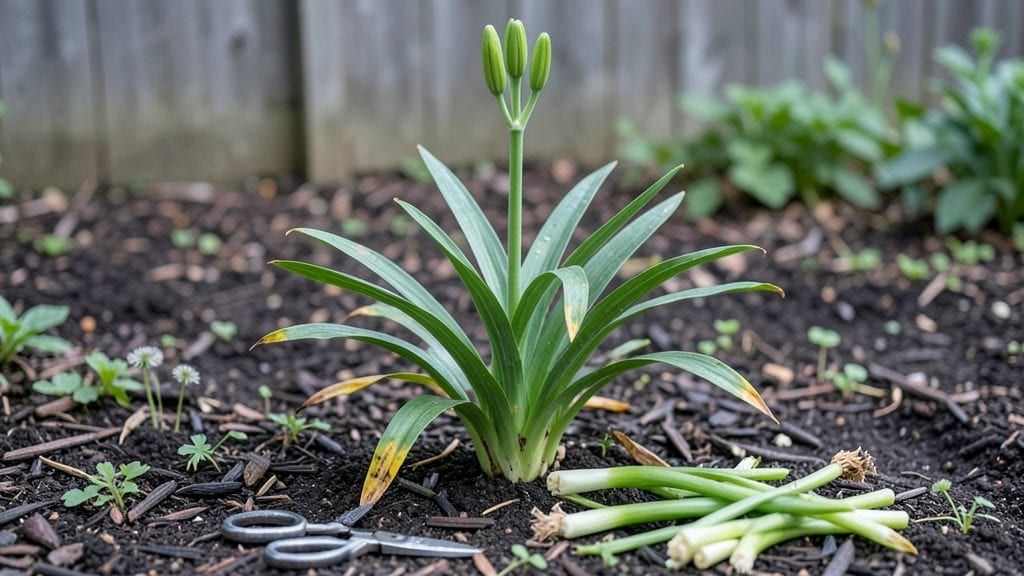
Trimming lily plants isn't just cleanup—it's how you guarantee next year's boldest blooms and keep those leaves from turning into a tangled mess. ✨ I learned the hard way that skipping this step means fewer flowers and more flopping foliage by summer's end.
The secret lies in three precise cuts timed just right, and once you master them, your lilies will reward you with months-long color instead of a single weak show.
You only need three things: sharp pruners (or clean scissors), a sunny day after flowering, and about 15 minutes of focused work. Most people wait too long to trim—by then, the plant's energy is already drained.
Cut spent blooms at the base immediately, then wait until the leaves yellow before removing them completely. This simple routine keeps your lilies healthy between seasons and prevents those pesky fungal issues that ruin so many gardens.
What you'll end up with is a lily patch that looks neat year-round, not just when it's blooming. The right cuts redirect energy back into the bulb, so you get taller stems and bigger flowers next season.
Plus, your garden beds stay tidy without looking sterile—just lush and intentional. The payoff comes in late spring when your neighbors ask how you got so many blooms.
This method works for true lilies, daylilies, and even Asiatic varieties, though the timing tweaks slightly depending on your zone. The key is consistency—don't skip a season, and you'll see the difference in just two years.
Let's get those pruners ready and turn your lilies into the showstopper they're meant to be.
📚 In This Guide
- What you need
- Instructions
- Tips and common mistakes
- Wrapping up and next steps
What you need
- ● Bypass pruners – Sharp, clean pruners (avoid anvil types to prevent crushing stems). 1 pair is all you need!
- ○ Garden shears or loppers – For thicker stems (1–2 inches in diameter). Optional but handy for larger lilies.
- ● Disinfectant (rubbing alcohol or bleach solution) – 1 small bottle to sterilize tools between cuts (mix 1 part bleach + 9 parts water).
- ● Gloves – 1 pair (nitrile or leather) to protect your hands from sap and thorns.
- ○ Compost bin or bag – For trimming waste. Optional but eco-friendly!
- ● Healthy lily plant – Trim only when leaves are partially browned (late fall/winter) or after blooming (early summer).
- ● Dry weather – Avoid trimming if rain is forecasted within 24 hours to prevent disease.
- ● Patience – Lilies thrive with strategic cuts, not aggressive pruning!
Step-by-step guide to trimming lily plants for long-lasting blooms
Lilies reward precise pruning with bigger flowers and stronger stems—here’s how to do it right.
✂️ Step 1: Deadhead Spent Blooms Immediately After Flowering
Use clean, sharp pruners to snip off the faded flower stalks just above the first set of leaves or where the stem meets the foliage. This prevents the plant from wasting energy on seed production, redirecting it to next year’s buds. I always do this within 24 hours of wilting—delaying even a day weakens the stem and reduces next season’s blooms.
Look for the first green leaf below the spent bloom—this is your target cut point. Avoid leaving stubs; a clean cut prevents disease. If you see any brown or mushy stems, trim further back to healthy tissue. This is the easiest cut but the most critical for future flowers.
✂️ Step 2: Cut Back Foliage After It Naturally Yellows
Wait until the lily leaves turn completely yellow and start to wither—this usually happens 4-6 weeks after blooming. At this point, cut the foliage back to within 2 inches of the ground. This might seem drastic, but it’s essential for preventing fungal diseases that thrive in damp, decaying leaves.
I know it looks like you’re killing the plant, but trust me—this is how lilies store energy in their bulbs. The yellow leaves are the plant’s way of feeding the bulb for next season’s growth. Never cut green leaves; they’re still photosynthesizing and need time to complete their job.
✂️ Step 3: Thin Overcrowded Clumps in Early Spring
In late winter or early spring, before new shoots appear, dig up the bulb clump and separate any offsets that have formed. Use a sharp knife to slice through the roots between bulbs, ensuring each new division has at least one healthy shoot and a portion of roots. This prevents competition for nutrients and encourages stronger blooms.
Replant the divisions at the same depth they were growing, spacing them 6-8 inches apart. Water lightly after replanting to help settle the soil. Overcrowded lilies produce fewer, smaller flowers, so this step is key for maintaining vigorous plants. I’ve seen blooms double in size after just one season of proper thinning.
⏰ Step 4: Light Maintenance Pruning Throughout the Growing Season
Remove any damaged, diseased, or yellowing leaves as you notice them during the growing season. This keeps the plant healthy and prevents pests from moving in. Also, watch for seed pods—snip them off immediately if you see them forming. Seed production drains the plant’s energy and reduces next year’s blooms.
I like to do a quick check every 2 weeks during the active growing season. A healthy lily should have straight, upright stems with no signs of wilting or browning. If you spot any issues, address them right away—lilies are tough but won’t tolerate neglect.
Tips & tricks for perfect lily plant pruning
A few simple tricks will help you keep your lilies thriving and blooming beautifully year after year.
The 24-Hour Deadheading Rule: I can't stress this enough—the 24-hour window after wilting is critical. The longer you wait, the more energy the plant wastes on seed production instead of storing it for next year's blooms. I always set a reminder on my phone right after the flowers fade to ensure I don't miss this important step. If you're away for the weekend, ask a neighbor to help with this first cut—it really makes a difference!
Timing Tip for Step 2: Those 4-6 weeks after blooming can feel like forever, but resist the urge to cut back sooner! The yellowing leaves are working hard to feed your bulbs for next season. I've seen gardeners cut too early and end up with much smaller blooms the following year. Wait until the leaves are completely yellow and crispy to the touch before making that second cut.
Early Spring Prep: When thinning clumps in late winter, don't rush the process. Take your time to ensure each division has at least one healthy shoot and a good portion of roots. I like to lay out the divisions on a tarp first to visualize how they'll look before replanting. This careful approach has helped me grow lilies that produce twice as many blooms as before.
Seasonal Maintenance: Those 2-week checks during the growing season are your secret weapon against pests and diseases. I keep a small pair of pruners in my gardening tote so I can snip off any damaged leaves or seed pods immediately. This simple habit has kept my lilies healthier and more productive for years. Plus, it only takes about 5 minutes every couple of weeks!
Pro Tips for Trim Lily Plant
- A few simple tricks will help you keep your lilies thriving and blooming beautifully year after year.
- The 24-Hour Deadheading Rule: I can't stress this enough—the 24-hour window after wilting is critical.
- Timing Tip for Step 2: Those 4-6 weeks after blooming can feel like forever, but resist the urge to cut back sooner!
Frequently asked questions
Got questions about trimming your lily plant for those show-stopping blooms? We’ve got answers!
Whether you’re a pruning pro or a curious beginner, here’s what you need to know to keep your lilies thriving all year.
When is the best time to trim lilies?
Trim lilies after blooming (late spring to early summer) to encourage new growth and next year’s flowers. For deadheading, snip spent blooms immediately to redirect energy. Avoid heavy pruning in fall—just remove yellowed or damaged foliage to prep for dormancy.
How do I trim lilies without hurting the plant?
Use clean, sharp shears to cut just above a leaf node or bud (about 1/4 inch above). Never trim more than one-third of the foliage at once. For bulbs, leave the basal plate intact—it’s the plant’s energy reserve!
Can I trim lilies in winter?
Light trimming (removing brown or dead leaves) is fine in winter, but avoid heavy cuts. Lilies are dormant then, and pruning can stress the plant. Wait until spring for major trims—when new shoots emerge, you’ll know it’s time!
What if my lilies don’t bloom after trimming?
No blooms? Check these fixes:
- Sunlight: Lilies need 6+ hours of direct sun daily.
- Soil: Amend with compost for nutrients.
- Patience: Some varieties (like daylilies) take 2–3 years to mature.
- Over-trimming: Avoid cutting back foliage too early—it feeds the bulb!
Are there alternatives to trimming lilies?
Yes! If you hate pruning, try:
- Deadheading only: Snip off spent blooms to tidy up.
- Mulching: Protect bulbs in winter to reduce stress.
- Fertilizing: Use a balanced bloom booster after flowering.
But remember—strategic trims boost blooms and health!
Wrapping up and next steps
Trimming your lily plant isn’t just about keeping it tidy—it’s the secret to longer blooms, healthier growth, and a showstopping garden! 🌸 With just three strategic cuts—post-bloom, seasonal pruning, and winter prep—you’ll encourage vibrant flowers year after year. Remember, patience and precision pay off, so don’t rush the process.
Now that you’re armed with the know-how, grab those shears and get pruning! Start with one plant to build your confidence, and soon, your garden will be the envy of the neighborhood. Happy trimming—your lilies will thank you with stunning, repeat performances!