
Flowers
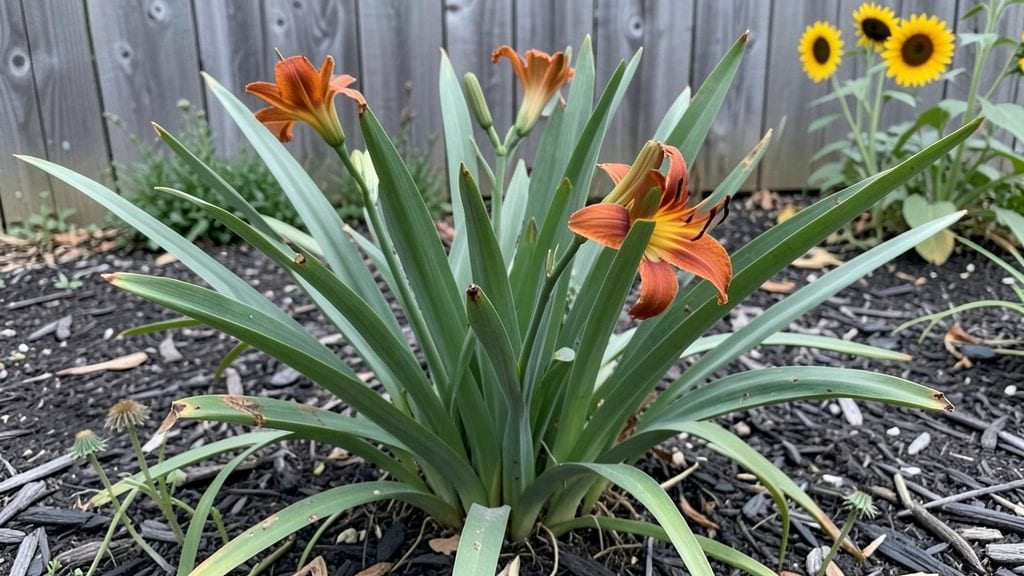
Growing a shade lily plant 🌿 delivers months of bold color even in spots where most flowers refuse to thrive.
If you love vibrant blooms but struggle with low-light gardens, this hardy perennial could be your perfect solution—it thrives in partial shade while demanding almost no effort. No more guessing about watering or fertilizing; just plant it, forget it, and enjoy the show.
Perfect for USDA Zone 6a gardens, shade lilies bloom from spring through summer with minimal care. Unlike fussy perennials, they handle dappled sunlight and even full shade, making them ideal for under trees or along shady fences.
In this guide, I’ll walk you through everything from planting in April–May to keeping them blooming year after year—without the stress of constant pruning or babying.
 Best Window Placement
Optimal growing conditions for shade lily plants in partial sun
Shade lilies (Hemerocallis fulva) are my go-to for adding vibrant blooms to shady spots, but their success depends on precise growing conditions. Unlike sun-loving lilies, these thrive in partial sun—where they get 2-4 hours of morning light and afternoon shade.
This balance prevents leaf scorch while ensuring abundant blooms all season. I’ve learned the hard way that too much sun or shade can stunt growth, so let’s break down the ideal setup for these hardy perennials.
First, the sunlight is critical. Shade lilies tolerate 20-50% shade, but they need at least 2 hours of direct sun daily to produce flowers. I recommend placing them under dappled light—like near a tree canopy or on the north side of a building.
Avoid deep shade, where they’ll grow leaves but few blooms. If your garden is fully shaded, consider reflective surfaces (like white walls) to bounce extra light their way.
Now, let’s talk soil—this is where most gardeners trip up. Shade lilies prefer well-draining, slightly acidic soil with a pH of 6.0-7.0. Heavy clay or soggy soil leads to root rot, while sandy soil drains too fast, stressing the plant.
My trick? Amend the soil with 2-3 inches of compost and a 1-inch layer of organic mulch (like shredded bark) to retain moisture without suffocating roots. Test your soil first—overwatering is the #1 killer of shade lilies!
Moisture is another common mistake—shade lilies need consistent but not soggy soil. I water mine deeply once a week (or bi-weekly in summer) and always in the morning to prevent fungal diseases.
Overwatering in shade is a recipe for root rot, while underwatering causes wilting and bud drop. A simple trick? Stick your finger 1-2 inches into the soil—if it’s dry, water; if it’s damp, wait.
In containers, they dry out faster, so check soil moisture every 3-4 days.
One pro tip I swear by: group shade lilies with companion plants like ferns or astilbes to create a microclimate that retains moisture. Avoid planting them near competitive roots (like large trees) that steal nutrients.
If your garden has poor drainage, consider raised beds with a gravel layer at the bottom to improve airflow. I’ve also had success with container growing—just use pots with drainage holes and a well-draining mix of peat, perlite, and compost.
Finally, let’s talk seasonal adjustments. In spring, shade lilies need regular watering as they emerge, but reduce fertilizer—too much nitrogen leads to leafy growth at the expense of blooms.
In summer, they’re more drought-tolerant, so cut back to bi-weekly watering. Fall is the time to stop fertilizing and let the plant harden off for winter. In winter, they’re dormant, so minimal watering (just enough to keep soil from drying out completely) is key.
If you’re still struggling with fewer blooms, check your light conditions first—more sun = more flowers. I’ve also found that dividing clumps every 3-4 years rejuvenates growth and boosts bloom production.
Just dig up the plant, separate the rhizomes, and replant in fresh soil. It’s a low-effort, high-reward task that keeps your shade lilies thriving for decades.
With the right sunlight, soil, and watering routine, your shade lilies will reward you with months of vibrant blooms—even in the shadiest corners of your garden. Start with these optimal conditions, and you’ll be enjoying low-maintenance color year after year. Happy gardening! 🌿
Year-round maintenance tips to keep shade lilies blooming nonstop
Shade lilies (Hemerocallis fulva) reward gardeners with stunning blooms year after year—but only if you follow a seasonal care routine tailored to their needs. Unlike high-maintenance flowers, these perennials thrive with minimal pruning and strategic feeding, making them perfect for busy gardeners.
The key lies in understanding when to divide, how to fertilize, and pest prevention without overcomplicating care.
Most gardeners make two critical mistakes: over-pruning after blooming and ignoring soil health during dormancy. Instead, focus on light maintenance that preserves their hardiness. With the right approach, your shade lilies will produce nonstop color from early summer through fall—and even surprise you with spring reblooms in mild climates.
🌱 Seasonal Care Calendar for Shade Lilies
- Early Spring (March-April): Apply 1 tbsp 5-10-10 fertilizer when shoots emerge 2-3 inches tall. Remove dead foliage from last season but leave old stems for winter protection.
- Late Spring (May): Divide crowded clumps every 3-4 years in cool, damp weather. Space divisions 12-18 inches apart for optimal growth.
- Summer (June-August): Water deeply once weekly during droughts. Watch for aphids or slugs—spray with neem oil or beer traps as needed.
- Early Fall (September): Reduce watering to bi-weekly as temps drop. Add 2 inches of mulch to retain moisture and insulate roots.
- Winter (October-February): Leave foliage intact to protect crowns from freeze-thaw cycles. Avoid fertilizing or pruning until spring.
One of my favorite tricks is mulching in early fall—it not only insulates roots but also suppresses weeds that compete with shade lilies. I use shredded hardwood mulch because it breaks down slowly and improves soil structure over time.
For pest control, I’ve found that companion planting with marigolds or garlic deters aphids naturally.
Fertilizing is where many gardeners overcomplicate things. Shade lilies don’t need heavy feeding—just a light application of balanced fertilizer in early spring. I swear by fish emulsion for its gentle nutrient release, which mimics natural soil conditions.
Avoid high-nitrogen fertilizers, as they encourage leafy growth over blooms, which is the last thing you want from these showstopper flowers.
When it comes to division timing, never rush it. The best time is early spring or fall when the plant is actively growing but not flowering. I’ve divided clumps in late September with great success—just make sure to water thoroughly before and after transplanting.
Pro tip: Divide only when the center clump has outgrown its space by at least 50%.
Finally, don’t let winter dormancy fool you—shade lilies are preparing for next year’s blooms even when they look dormant. I protect mine with a light layer of straw mulch in Zone 5 and colder, and they’ve never failed to rebound in spring.
With this low-stress routine, your shade lilies will keep blooming like clockwork—no aggressive pruning required!