
Planting
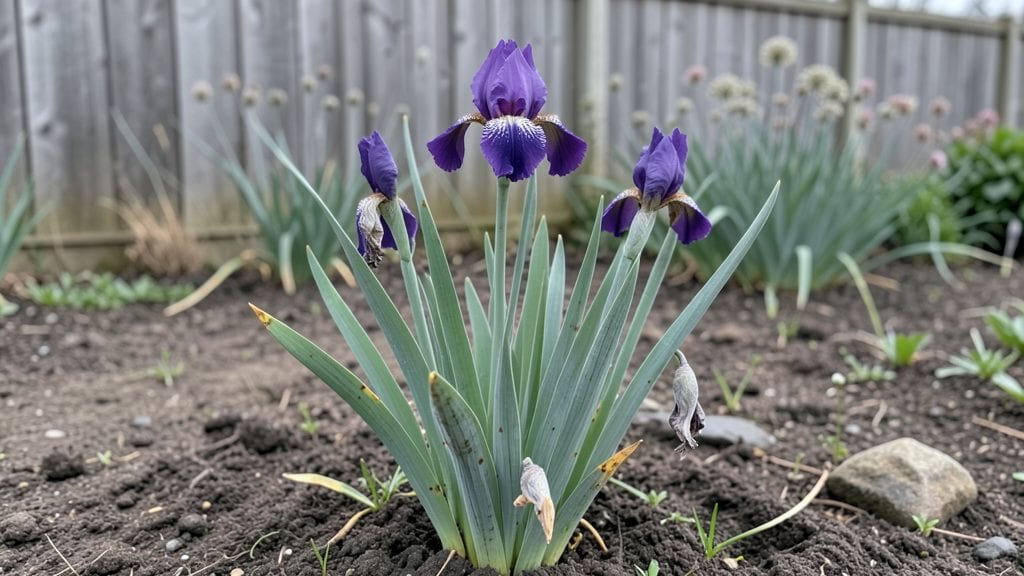
This pink iris plant delivers bold, velvety blooms that turn heads every spring—✨ I’ve grown them for years, and the trick isn’t complicated: just the right spot, soil, and a little patience. These plants reward you with stunning color for decades if you give them what they need.
They thrive in full sun and well-draining soil, which means most gardeners can grow them without fuss. Plant rhizomes in early fall or spring, and water just enough to keep the soil moist but not soggy. Once established, pink irises are famously low-maintenance—no heavy pruning or constant feeding required.
You’ll see those signature sword-like leaves emerge in early spring, followed by clusters of vibrant pink blooms that last for weeks. The key to long-term success? Dividing clumps every few years to keep them vigorous. It’s simple, but the payoff is worth it.
Perfect for borders, cottage gardens, or even container plantings in small spaces. Once you’ve got them growing, they’ll come back year after year with minimal effort. Let’s get those rhizomes in the ground!
📚 In This Guide
- What you need
- Instructions
- Tips and common mistakes
- Wrapping up and next steps
What you need
- ● Pink iris rhizomes: 3–5 healthy, firm rhizomes (check for no signs of rot or soft spots).
- ● Well-draining potting mix: 3–5 gallons (or enough to fill your chosen container). Use a blend of 60% garden soil, 30% perlite or coarse sand, and 10% compost for optimal drainage.
- ● Garden trowel or small shovel: For planting rhizomes at the correct depth (2–3 inches below soil level).
- ● Peat moss or mulch: 1–2 cups to cover rhizomes after planting (helps retain moisture).
- ● Watering can or hose with a gentle spray nozzle: Irises hate soggy roots!
- ● Sunny planting spot: At least 6–8 hours of direct sunlight daily (partial shade in hot climates).
- ○ Gloves (optional): Protects hands from rhizome sharpness.
- ● Pruning shears: For trimming dead foliage after blooming (clean blades prevent disease).
- ○ Fertilizer (balanced 10-10-10 or iris-specific): 1–2 tbsp per plant in early spring (optional but boosts blooms!).
- ● Container or raised bed (if not planting in-ground): Ensure drainage holes are present!
- ○ Stakes or trellis (optional): For tall varieties in windy areas.
Step-by-Step instructions for planting pink iris
Here’s how to get those dramatic pink blooms thriving with confidence—minimal fuss, maximum impact.
🌱 Step 1: Choose the Right Location and Prepare the Soil
Pink iris thrives in full sun—at least 6 hours daily—but tolerates partial shade if your climate is scorching. I dig a hole twice as wide as the root ball but only as deep as the rhizome sits naturally. The top should peek above soil level, never buried.
Amend the native soil with 2 inches of compost mixed into the top 6 inches of earth. Iris roots hate soggy conditions, so if your soil drains poorly, add 1 part perlite to 3 parts soil for better aeration. Test drainage by filling a hole with water—it should drain completely within 30 minutes.
🪴 Step 2: Plant Rhizomes Correctly for Strong Growth
Position each rhizome with its fan of roots facing downward and the top third exposed to sunlight. Press the soil gently around the sides but leave the top 1/3 uncovered—this prevents rot and encourages robust foliage. Space plants 12-18 inches apart for mature blooms.
Water deeply once planted to settle the soil, then let it dry slightly before watering again. Overwatering now smothers roots. I mark each spot with a small flag to avoid accidentally disturbing them during early growth.
☀️ Step 3: Provide Consistent Light and Water
After planting, water once a week unless rainfall provides 1 inch—iris roots are drought-tolerant once established. Mulch with 2 inches of shredded bark to retain moisture and suppress weeds, but keep mulch 3 inches away from the rhizome to prevent rot.
Fertilize lightly in early spring with a low-nitrogen, high-phosphorus formula (like 10-30-10) to fuel blooms. Avoid high-nitrogen feeds—those produce lush leaves but fewer flowers. You’ll see tight buds forming by mid-spring if conditions are right.
✂️ Step 4: Prune and Divide for Long-Term Health
Cut back yellowed foliage in late summer after blooming, leaving 4-6 inches of stem. This redirects energy to next year’s flowers. Wait until new growth appears before dividing crowded clumps—every 3-4 years—to prevent overcrowding and weak blooms.
To divide, dig up the rhizome cluster, separate sections with at least one fan of roots, and replant immediately. Discard any mushy or shriveled rhizomes—they won’t regrow. Replant divisions in full sun and water lightly for 2 weeks to help them establish.
Tips & tricks for perfect pink iris plant growth
These simple strategies will help you avoid common pitfalls and get those showstopping pink blooms every season.
The Sunlight Secret: Those 6 hours of daily sun are non-negotiable for vibrant blooms, but here's the thing: if your iris gets afternoon shade, place it where it catches morning sun instead. Early sunlight is gentler and helps prevent leaf scorch. I've seen iris in partial shade still bloom, but the flowers are noticeably smaller and paler.
Drainage is Everything: That 30-minute drainage test in Step 1 is your best friend. If water pools after 30 minutes, you've got a drainage problem. For containers, use a mix of 60% potting soil and 40% perlite or coarse sand. In garden beds, create a raised mound if your soil is naturally heavy—iris roots will thank you with stronger growth.
Mulching Wisdom: When you add that 2 inches of shredded bark, keep it clear of the rhizome crown. The mulch should start 3 inches away to prevent rot. I like to create a little mulch "donut" around each plant—this keeps moisture where it belongs while protecting the crown from soggy conditions.
Dividing Timing: That 3-4 year dividing schedule is ideal, but here's what nobody tells you: divide in early spring when new shoots appear, not fall. Fall divisions often don't establish before winter, and you'll lose next year's blooms. I've made this mistake—trust me, you don't want to repeat it.
Pro Tips for Pink Iris Plant
- These simple strategies will help you avoid common pitfalls and get those showstopping pink blooms every season.
- The Sunlight Secret: Those 6 hours of daily sun are non-negotiable for vibrant blooms, but here's the thing: if your iris gets afternoon shade, place it where it catches morning sun instead.
- Drainage is Everything: That 30-minute drainage test in Step 1 is your best friend.
Frequently asked questions
Got questions about growing your pink iris plant? You’re not alone! Here are some of the most common queries—plus quick, practical answers to keep your blooms thriving.
How often should I water my pink iris plant?
Water your iris deeply but infrequently—about once a week during active growth (spring/summer), unless your soil is sandy (then twice). Never soggy! Irises hate wet roots, which can cause rot. Aim for 1–2 inches of water per week, including rainfall. Mulch lightly to retain moisture without suffocating the rhizomes.
When is the best time to plant pink irises?
Plant them in early fall or late winter (before new growth starts) for the best root establishment. This gives rhizomes time to settle before summer heat. Avoid planting in spring—they’ll struggle with transplant shock during hot weather. If you’re dividing clumps, do it after blooming (late summer) to preserve next year’s flowers.
Can I grow pink irises in containers? What’s the trick?
Yes! Use a large, shallow pot (at least 12 inches wide) with fast-draining soil (mix potting soil with perlite or sand). Place rhizomes half-buried (never fully covered) and water sparingly. Move containers indoors in winter if temps drop below 20°F. Dwarf varieties like ‘Little Star’ work best for pots.
Why aren’t my pink irises blooming? Troubleshooting tips!
No flowers? Check these fixes:
- Too much fertilizer: Irises bloom best with low nitrogen. Use a balanced 5-10-10 or phosphorus-heavy fertilizer in early spring.
- Overcrowded rhizomes: Divide clumps every 3–4 years to improve airflow and energy for blooms.
- Not enough sun: Pink irises need 6+ hours of full sun daily—move them if shaded.
- Dormant in summer: Let foliage yellow naturally post-bloom; don’t cut it until it browns.
Are pink irises deer-resistant? What about other pests?
Deer usually avoid irises (their bitter taste deters them), but rabbits might nibble. For pests like iris borers (a common foe), apply neem oil in early summer or plant companion plants like garlic or chives nearby. Remove old foliage in fall to break borer life cycles. Slugs? Try diatomaceous earth around the base.
Wrapping up and next steps
Growing a pink iris plant is a rewarding journey that brings vibrant color and elegance to your garden with minimal effort! Whether you're a beginner or a seasoned gardener, these bold blooms thrive with just the right balance of sunlight, soil, and patience.
Now that you’re armed with the essentials—from choosing the perfect location to mastering pruning techniques—it’s time to roll up your sleeves and watch your garden transform.
Ready to take the next step? Start by marking your planting spots this weekend, and soon, you’ll be basking in the glory of those stunning pink irises! 🌸✨