
Trees
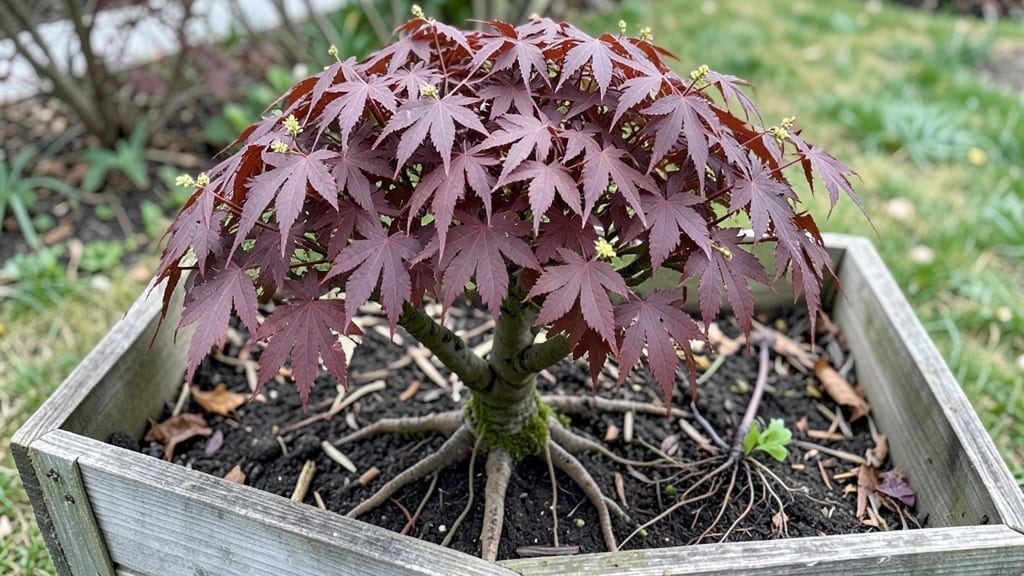
Planting box trees in stylish containers transforms your patio into a fragrant, evergreen privacy haven—but only if you nail the soil, drainage, and spacing, or risk ending up with sad, sprawling shrubs. ✨ Trust me, I learned that the hard way.
The secret isn’t fancy tools; it’s matching their needs to your setup, whether that’s a 5-gallon pot on a balcony or a raised garden bed.
Start with well-draining potting mix (never garden soil) and a container at least 12 inches deep—boxwoods hate soggy roots. Space them 3-4 feet apart if planting multiple, or go solo in a 15-gallon planter for a single statement plant.
Most people overcrowd them, which leads to stunted growth and pests. I’ve seen boxwoods thrive in full sun to partial shade, but afternoon shade works best in hot climates.
After planting, water deeply until it drains from the bottom, then let the top inch dry out before watering again. A mulch layer keeps roots cool and retains moisture. Within a year, you’ll have dense, glossy foliage that blocks noise, filters wind, and looks polished year-round.
The key is consistency—boxwoods are low-maintenance once established, but they’ll reward you with decades of reliable greenery if you start right.
For extra flair, pair them with dwarf coneflowers or creeping thyme at the base—they’ll add color without competing for space. If you’re using containers, add cascade trays to catch runoff and keep your patio clean.
This isn’t just about privacy; it’s about creating a calm, structured oasis that feels intentional and effortless.
📚 In This Guide
- What you need
- Instructions
- Tips and common mistakes
- Wrapping up and next steps
What you need
- ● Planting Box Trees: Choose 3–5 fast-growing, compact varieties like Thuja occidentalis (Arborvitae), Buxus sempervirens (Boxwood), or Ilex crenata (Holly). Opt for 1–3 gallon containers for smaller spaces.
- ● Large Containers: 2–3 containers per tree (15–20 gallons each), with drainage holes. Use UV-resistant plastic, fiberglass, or cedar wood.
- ● High-Quality Potting Mix: 1–2 bags of well-draining mix (e.g., 60% inorganic + 40% organic, like perlite, bark, and peat moss). Avoid garden soil!
- ● Slow-Release Fertilizer: 1–2 cups of balanced, organic fertilizer (10-10-10 or similar) per container.
- ● Mulch: 1–2 inches of pine bark fines or shredded leaves to retain moisture.
- ● Watering Can or Hose: With a gentle spray nozzle for even hydration.
- ● Gloves & Safety Gear: Heavy-duty gloves and knee pads for comfort.
- ● Trowel or Spade: For digging and amending soil.
- ● Level & Measuring Tape: To ensure containers are evenly spaced and stable.
- ○ Support Stakes (Optional): For young trees in windy areas (bamboo stakes + soft ties).
- ○ Container Feet (Optional):strong> Plastic or rubber feet to prevent water damage to decks/patios.
- ● Weather Check: Plant on a cool, overcast day or water deeply before transplanting.
Step-by-Step instructions for planting box trees in containers
Here's how I plant these evergreen powerhouses for maximum growth and privacy—no yard needed.
🪴 Step 1: Select and Prepare the Right Containers
Boxwoods thrive in containers when given proper drainage and space. Choose pots that are at least 18-24 inches wide and deep for each tree, since their root systems spread wider than their height. I prefer heavy ceramic or fiberglass containers—they won't tip over in windy conditions and retain moisture better than plastic.
Drill additional drainage holes if your pots don't have them. Place a 2-inch layer of gravel or broken pottery at the bottom before adding soil. This prevents root rot by keeping the roots elevated above standing water. For your four trees, you'll need four containers this size—don't skimp on space, or the roots will circle and stunt growth.
🌱 Step 2: Use Well-Draining Soil and Amendments
Fill each container with a mix of 50% high-quality potting soil and 50% organic matter. I blend in 20% perlite or coarse sand to improve drainage—they hate soggy roots. For your four trees, you'll need about 4-5 gallons of this mix per container, depending on size.
Add a slow-release balanced fertilizer (10-10-10) at planting time—about 1 tablespoon per gallon of soil mix. Work it into the bottom third of the container before adding the tree. This gives roots immediate access to nutrients without burning tender new growth. Tap the container gently after filling to eliminate air pockets.
☀️ Step 3: Plant Trees at the Correct Depth and Position
Remove the tree from its nursery pot and loosen the roots if they're circling. Position the root ball so the top edge sits 1-2 inches below the container rim. Boxwoods need this extra soil to stabilize them in wind and prevent drying out. For four trees, I space them 3-4 feet apart if using multiple containers—closer spacing works for privacy but may require pruning later.
Backfill with soil while gently pressing to remove air gaps. Water deeply until it runs out the drainage holes, then let it drain completely. Place containers in a location with morning sun and afternoon shade—full sun can scorch young leaves. Watch for new growth in 4-6 weeks as your signal everything's settled.
💧 Step 4: Establish a Watering and Fertilizing Routine
Water when the top inch of soil feels dry, which typically means every 2-3 days in summer and once a week in winter. I use a watering can with a narrow spout to direct moisture to the root zone without wetting the leaves—this prevents fungal diseases. For your four trees, expect to water about 1 gallon per container per watering during peak growth.
Fertilize every 6-8 weeks during growing season with the same balanced formula. Reduce watering slightly in fall to encourage dormancy. If you notice yellowing leaves, it's usually overwatering—let the soil dry out more between waterings. Boxwoods are tough but will tell you when they're unhappy with leaf drop or stunted growth.
✂️ Step 5: Prune for Shape and Health
Shape your boxwoods in early spring before new growth begins. Use sharp shears to trim back 1/3 of the previous year's growth to encourage bushiness. I clean the shears with rubbing alcohol between cuts to prevent disease spread. For privacy hedges, maintain a consistent height by trimming the tops evenly.
Remove any dead or diseased branches immediately—they won't regrow. Prune lightly in late summer if needed for shape, but avoid heavy cuts then as it stimulates tender growth before winter. With regular pruning, your container-grown boxwoods will maintain their structure and provide that lush, green privacy screen you're after.
Tips & tricks for perfect container-grown box trees
These tried-and-tested strategies will help your container-grown boxwoods thrive and create that lush privacy screen you're dreaming of.
Container Selection Wisdom: I can't stress enough how critical container weight and size are for stability and growth. For your four trees, invest in containers with built-in saucers to catch drainage—this prevents soil from spilling onto patios or balconies. If you're using decorative pots without drainage holes, place them inside nursery pots with drainage, creating a two-tier system. The extra weight from gravel and soil will also anchor your trees against wind, which is especially important if you're creating a privacy barrier along a breezy deck or patio.
Soil Mix Secrets: The 50-50 potting soil to organic matter ratio is non-negotiable for boxwoods, but here's what I've learned about the organic component: avoid fresh compost or manure—it can burn tender roots. Instead, use well-aged compost or coconut coir for that organic matter. For the 20% perlite/sand mix, I've found that perlite alone works best—it's lighter than sand and provides better aeration. Pro tip: Sterilize your soil mix by baking it in the oven at 200°F for 30 minutes before use to kill any fungal spores that could harm your trees.
Planting Depth and Positioning: That 1-2 inch depth below the rim is crucial for stability, but don't just eyeball it. Use a ruler or measuring tape to ensure consistency across all four trees. For positioning, if you're creating a privacy screen, stagger your containers in a slight curve rather than a straight line—this creates visual interest while maintaining the privacy effect. In Step 3, when you're placing your trees, consider adding a small stake to each container temporarily to provide extra support during the initial 4-6 week establishment period, especially if your space gets windy.
Watering Routine Rescue Strategy: The every 2-3 days summer watering guideline is a starting point, but your actual schedule depends on your microclimate. I've found that container-grown boxwoods in urban environments often need watering more frequently due to heat reflected from buildings. To monitor moisture without sticking your finger in the soil, use a moisture meter—these inexpensive tools give you precise readings. For your four trees, consider setting up a simple drip irrigation system with a timer for consistent moisture delivery, especially during those hot summer months when you might forget or be away.
Pro Tips for Planting Box Trees
- These tried-and-tested strategies will help your container-grown boxwoods thrive and create that lush privacy screen you're dreaming of.
- Container Selection Wisdom: I can't stress enough how critical container weight and size are for stability and growth.
- Soil Mix Secrets: The 50-50 potting soil to organic matter ratio is non-negotiable for boxwoods, but here's what I've learned about the organic component: avoid fresh compost or manure—it can burn tender roots.
Frequently asked questions
Got questions about planting box trees in containers? You’re not alone! Here are some of the most common concerns—and their straightforward solutions—to help you grow a lush, private green space with ease.
What’s the best soil mix for boxwood trees in planting boxes?
Use a well-draining, slightly acidic mix (pH 6.0–7.0) like 60% potting soil, 30% perlite or sand, and 10% compost. Boxwoods hate soggy roots, so avoid heavy clay blends. Pro tip: Add slow-release fertilizer at planting for a nutrient boost!
How often should I water box trees in containers?
Water when the top 1–2 inches of soil feel dry (usually every 5–7 days, but adjust for heat/wind). Containers dry out faster than ground soil! Morning watering prevents fungal issues. Mulch the surface to retain moisture—just keep it 2–3 inches away from the trunk.
Can I plant boxwoods in a box with other shrubs?
Yes! Pair them with dwarf conifers, lavender, or heuchera for texture. Avoid aggressive growers like bamboo or invasive grasses. Stick to slow-growing, drought-tolerant companions to prevent root competition. Design tip: Use contrasting foliage (e.g., silver boxwood + purple heuchera) for visual pop!
Do box trees in containers need winter protection?
Yes, especially in Zone 5 or colder. Wrap the container in burlap or frost cloth, add a thick mulch layer, and move to a sheltered spot (like against a wall). If temps drop below 10°F, consider insulating the pot with bubble wrap or straw.
How do I prune boxwoods in planting boxes to keep them shaped?
Prune lightly in late spring or early summer—never more than 1/3 of the plant at once. Use sharp shears to make clean cuts just above a leaf bud. For hedges, shape gradually to avoid stress. Warning: Avoid heavy pruning in fall; it invites winter dieback.
What if my boxwood leaves turn brown or yellow?
Brown edges? Likely underwatering or salt buildup (from tap water). Yellowing? Check for overwatering, poor drainage, or nutrient deficiency. Treat with fertilizer (balanced 10-10-10) and adjust your watering routine. Fungal issues? Prune affected areas and apply fungicide.
Wrapping up and next steps
Planting box trees in containers is a game-changer for small spaces—offering lush privacy, year-round greenery, and minimal hassle. Whether you’re working with a balcony, patio, or tiny yard, these versatile trees bring nature’s beauty without the bulk. Now’s your chance to transform that empty corner into a thriving, green oasis!
Ready to get started? Pick your favorite boxwood variety, grab your supplies, and dive in! Your cozy, leafy retreat awaits—just a few steps away. 🌿✨