
Picking
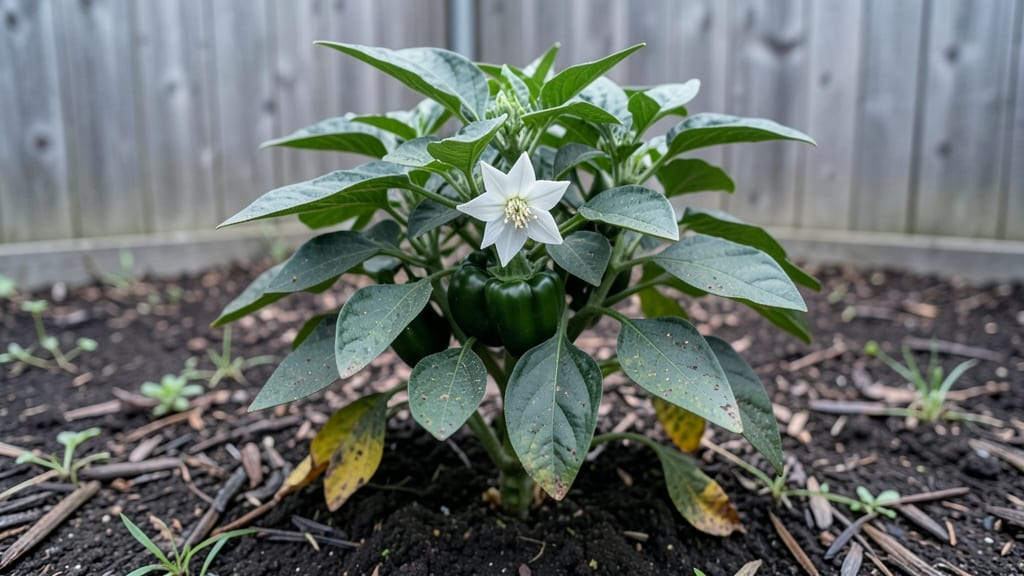
Planting pimento peppers starts with the right timing and a sunny spot—these heat-loving plants need at least 8 hours of direct sun daily to produce their signature thick, heart-shaped peppers.
I learned the hard way that cutting corners here means smaller harvests and fewer of those prized, mild peppers perfect for stuffing or pickling. The key difference?
Unlike jalapeños or bell peppers, pimentos thrive best in warmer soil temperatures (70°F+) and can't tolerate frost, which narrows their growing window in cooler climates.
You'll need well-draining soil mixed with compost—think 60% soil, 30% compost, 10% perlite—and containers at least 12 inches deep if you're not planting in-ground. My first year, I planted too close together, and the plants competed for light, stunting growth.
Space them 18-24 inches apart for proper airflow, which prevents diseases like bacterial spot that can ruin your harvest before it starts. Start seeds indoors 8-10 weeks before last frost, or buy sturdy transplants from a reputable nursery to skip the germination gamble.
Once planted, keep the soil consistently moist but never soggy—pimentos hate wet feet. A mulch layer of straw helps retain moisture while keeping roots cool, and I've found that a balanced 10-10-10 fertilizer every 4-6 weeks after flowering boosts fruit production.
The real payoff comes in late summer when you'll see those glossy, dark green peppers forming. They ripen from green to red, but you can harvest them at any stage—green for stuffing, red for pickling, or let them turn fully red for the sweetest flavor.
For cooler climates, container growing is your best bet—just move pots indoors before frost or use a black plastic mulch to warm the soil faster in spring.
And here's the secret I wish I'd known earlier: pimento peppers are self-pollinating, so you don't need to worry about bees or hand-pollination.
With the right care, you could be harvesting 50+ peppers per plant—enough to fill your pantry or share with neighbors who'll be jealous of your bold harvests.
📚 In This Guide
- What you need
- Instructions
- Tips and common mistakes
- Wrapping up and next steps
What you need
- ● Pimento Pepper Seeds: 10–20 seeds (or 3–5 starter plants if buying seedlings). Choose varieties like ‘Hungarian Wax’ or ‘Cherokee’ for bold flavor.
- ● Well-Draining Potting Mix: 1–2 bags (sterilized, peat-based or coco coir blend). Avoid garden soil—pimentos hate soggy roots!
- ● Containers or Garden Plot: Containers: 5–10 gallon pots (1 per plant) with drainage holes.
- ● Garden Bed: Full sun (6+ hours/day), loose soil with pH 6.0–7.0. Amend with compost if needed.
- ● Organic Fertilizer: Balanced 10-10-10 or tomato/pepper-specific fertilizer (follow label for dilution).
- ● Mulch: Straw or shredded leaves (2–3 inches) to retain moisture and suppress weeds.
- ● Trowel or hand shovel for transplanting.
- ● Spray bottle (for seedling misting).
- ● Garden gloves (to protect from prickly stems!).
- ● Pruning shears (for shaping plants later).
- ○ Optional but Helpful: Grow lights (if starting indoors).
- ● Cage or stakes (for support as plants grow).
- ● Row cover (to protect from early pests).
- ● Last Frost Date: Wait until soil is at least 60°F (15°C)—pimentos are frost-sensitive!
- ● Warmth Lovers: Ideal temps: 70–90°F (21–32°C) for flowering/fruiting.
- ● Patience: Germination takes 7–21 days; harvest in 70–90 days (depending on variety).
Step-by-step instructions for planting pimento peppers
Here's the foolproof method I've used to grow rich, flavorful pimento peppers year after year.
Select the Perfect Planting Site
Pimento peppers demand full sun exposure—at least 8 hours of direct sunlight daily. Choose a location where they'll receive morning sun and afternoon warmth without afternoon shade. I always test my garden spots first by observing where other sun-loving plants thrive, like tomatoes or eggplants.
These peppers prefer well-draining soil with a pH between 6.0 and 6.8. If your soil is heavy clay, amend it with 2-3 inches of compost mixed into the top 12 inches of soil. Work the compost in thoroughly—you'll see the difference in how easily roots spread. Avoid freshly tilled soil, as it can compact and suffocate young roots.
Prepare the Soil and Plant Transplants
Dig holes twice as wide as the root ball but only as deep as the container they came in. This prevents burying the stem too deeply, which can cause rot. Gently remove the transplant from its pot and tease the roots apart if they're circling—this encourages them to spread outward instead of staying in a tight knot.
Place the pepper in the hole and fill around it with the amended soil, pressing lightly to eliminate air pockets. Water deeply immediately after planting to help settle the soil and eliminate gaps. Use 1 gallon of water per plant—you'll know you've done enough when water runs freely from the drainage holes if your pots are in containers.
Mulch and Water for Establishment
Spread 2-3 inches of organic mulch around each plant, keeping it 2-3 inches away from the stem to prevent rot. I use straw because it breaks down slowly and improves soil structure over time. Mulching conserves moisture, regulates soil temperature, and suppresses weeds—all critical for pimento peppers, which are sensitive to stress.
Water deeply every 2-3 days during the first 2 weeks after planting, ensuring the soil stays consistently moist but not soggy. You'll see new growth within 7-10 days—that's your signal everything is working. Avoid overhead watering, as wet foliage encourages disease. Instead, water at the base using a soaker hose or drip irrigation for precision.
Fertilize and Support for Maximum Yield
Feed plants with a balanced, slow-release fertilizer (10-10-10) 4-6 weeks after transplanting, following the package rate. Pimento peppers are hungry plants—expect to fertilize every 4-6 weeks throughout the growing season. I also add 1 tablespoon of Epsom salt per plant monthly to boost magnesium levels, which improves fruit production.
As peppers grow, they may need staking or cages to support heavy fruit loads. Install supports early—once the plant reaches 12 inches tall, it's too late to add stakes without damaging roots. I use 5-foot bamboo stakes tied loosely with soft twine to allow the plant to sway slightly in the wind, which strengthens the stem.
Monitor and Harvest for Peak Flavor
Watch for pests like aphids or spider mites, which love pepper plants. I treat infestations immediately with neem oil, applying it in the early morning when bees are less active. Pimento peppers are also prone to blossom end rot, so maintain consistent moisture—never let the soil dry out completely between waterings.
Harvest peppers when they're fully colored and firm—typically 60-70 days after transplanting. Use clean pruners to snip stems, leaving a small portion attached to encourage more fruit. Store harvested peppers in a cool, dark place for up to 2 weeks, or preserve them in jars for year-round flavor. The more you harvest, the more your plant will produce!
Tips & tricks for planting pimento peppers
These game-changing insights will transform your pimento pepper harvest from good to extraordinary—let's dive into the secrets that make all the difference.
Sunlight Strategy: While the instructions call for at least 8 hours of direct sunlight, I've found that positioning plants to receive morning sun and afternoon warmth—without afternoon shade—creates ideal growing conditions. Place them where other sun-lovers like tomatoes thrive, as this confirms the perfect light exposure. For containers, rotate them every few days to ensure even sunlight distribution across all sides.
Soil Preparation Secret: The 2-3 inches of compost mixed into the top 12 inches of soil is non-negotiable for well-draining conditions, but here's the pro move: test your soil's pH before planting. If it's outside the 6.0-6.8 range, amend with sulfur to lower pH or lime to raise it. I've seen pimento peppers struggle in slightly acidic soil that was too low—this adjustment can make the difference between a thriving plant and one that barely produces.
Watering Wisdom: The critical 2-3 day watering schedule during the first 2 weeks establishes strong roots, but timing matters just as much as frequency. Water in the early morning so foliage has all day to dry, preventing fungal diseases. I've noticed that watering at noon can lead to prolonged leaf wetness, which invites problems. Also, check soil moisture by sticking your finger 1-2 inches deep—if it's dry at that depth, it's time to water.
Fertilization Fine-Tuning: The 4-6 week timing for initial fertilization is perfect, but here's how to maximize results: mix a handful of worm castings into the planting hole at transplant time. This gives roots an immediate nutrient boost while the slow-release fertilizer kicks in. The monthly Epsom salt addition is brilliant for magnesium, but I've found that alternating with a seaweed extract spray every other month provides additional micronutrients that pimento peppers crave for fruit development.
Pro Tips for Planting Pimento Peppers
- These game-changing insights will transform your pimento pepper harvest from good to extraordinary—let's dive into the secrets that make all the difference.
- Place them where other sun-lovers like tomatoes thrive, as this confirms the perfect light exposure.
- Soil Preparation Secret: The 2-3 inches of compost mixed into the top 12 inches of soil is non-negotiable for well-draining conditions, but here's the pro move: test your soil's pH before planting.
Frequently asked questions
Got questions about growing pimento peppers? You’re not alone! Here are answers to the most common queries—from timing to troubleshooting—to help you cultivate a thriving harvest.
When is the best time to plant pimento peppers?
Pimento peppers thrive in warm soil, so plant them after the last frost when temperatures stay above 60°F (15°C). Start seeds indoors 8–10 weeks before the last frost, or transplant seedlings in early summer. They’re heat-lovers—never rush them into cold soil!
How long does it take for pimento peppers to mature?
From transplanting to harvest, pimento peppers typically need 70–90 days to ripen. Early varieties may fruit sooner, while heirlooms take longer. Patience pays off—wait for peppers to turn deep red or orange for the best flavor and heat!
Can I grow pimento peppers in containers?
Pimentos do well in 5-gallon pots or larger with drainage holes. Use a lightweight potting mix, place containers in full sun, and ensure they get 6+ hours of sunlight daily. Just keep an eye on watering—containers dry out faster than garden beds.
Why aren’t my pimento peppers producing fruit?
Blossom-end rot, pests (like aphids), or too much nitrogen can stunt fruit production. Try these fixes: Prune overgrown plants for better airflow, hand-pollinate flowers with a paintbrush, and fertilize with phosphorus (like bone meal) to encourage blooming.
What can I do with pimento peppers if I grow too many?
Don’t let your hard work go to waste! Preserve them by drying, freezing, or pickling. They’re perfect for stuffing, sauces, or even homemade hot sauce. Share extras with neighbors—everyone loves a gift of fresh peppers!
Wrapping up and next steps
Planting pimento peppers is a rewarding journey that brings bold flavors and vibrant colors to your garden—and your kitchen! 🌱 With the right soil, sun, and care, you’ll soon enjoy a harvest of sweet, aromatic peppers perfect for stuffing, sauces, or pickling.
Whether you’re a seasoned gardener or just starting, every seed you plant is a step toward homegrown success.
Ready to take the next step? Start by sketching your garden layout or ordering seeds today. Then, mark your calendar for planting season—your future meals (and proud bragging rights) will thank you! 🌿