
Pruning
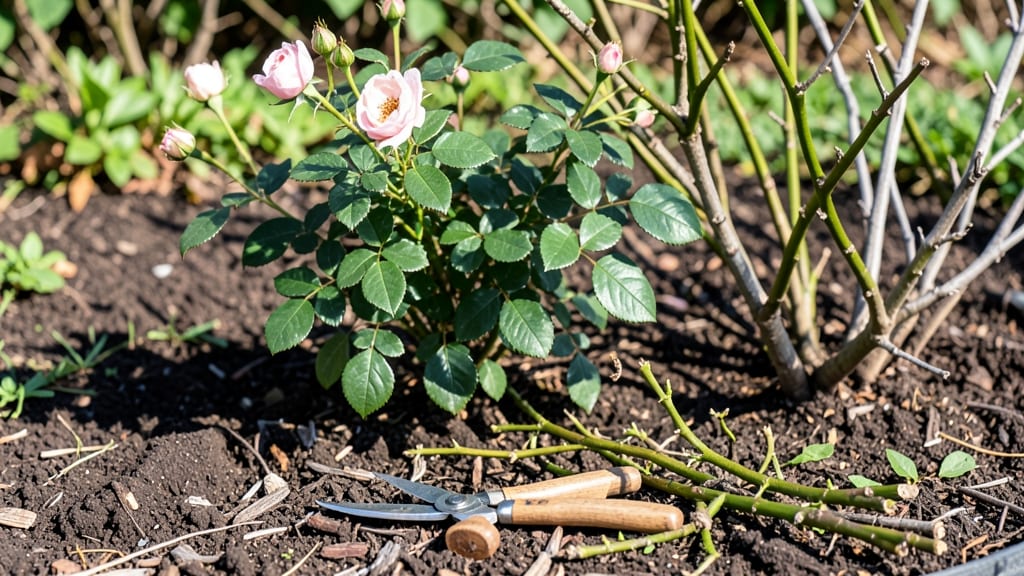
Understanding what pruning plants means reveals it's the art of selectively cutting stems, branches, or roots to sculpt growth, boost productivity, and extend a plant's lifespan. This practice eliminates weakened growth, reallocates nutrients, and prevents decay while shaping the plant's structure for optimal health.
When you prune correctly, you're essentially giving your plants a growth reset. 🌿 The cuts stimulate the production of hormones like auxins that trigger new shoots and flowers, while removing crowded or diseased parts lets the plant focus its energy on stronger development.
For example, roses bloom more abundantly when you prune back old wood, while fruit trees produce larger yields when you thin out overcrowded branches. The key is timing—most plants respond best to pruning during their dormant season, though flowering plants often need a second trim after blooming.
This technique isn't just about aesthetics—it's a survival strategy. Plants naturally grow toward light, so strategic cuts redirect their energy upward or outward, creating a fuller, more balanced shape. Ever notice how hedge plants stay perfectly manicured?
That's the result of regular, precise trimming. The same principles apply whether you're shaping a bonsai tree or maintaining a vegetable garden—proper pruning keeps your plants thriving for years.
💡 In This Article
- How Pruning Affects Plant Growth and Flowering
- Step-by-Step Pruning Techniques for Beginners
How pruning affects plant growth and flowering
Here's what actually happens when you make a clean cut: pruning triggers a hormonal cascade that rewires a plant's growth pattern. The most critical player is auxin, a natural growth regulator produced at the tips of stems.
When you remove the top growth, auxin levels drop in the remaining tissue, which signals dormant lateral buds to wake up and grow. These side buds often produce more vigorous shoots than the original stem could have supported alone.
For example, a rosemary bush that's been pruned back aggressively can sprout 3-5 new stems within 6-8 weeks, each with more aromatic foliage than the original.
The science gets even more fascinating with cytokinins, hormones that regulate cell division. Pruning creates fresh wounds that become hotspots for cytokinin production, accelerating growth at the cut sites.
This is why fruit trees like apples or peaches develop larger, more abundant blossoms after winter pruning—the hormonal shift prioritizes reproductive growth over vegetative growth. In herbs like basil, this mechanism explains why pinching back the tips leads to bushier, leafier plants.
The key difference between plant types lies in their natural growth habits: woody plants (trees, shrubs) respond best to structural cuts, while herbaceous plants thrive on frequent light trims to encourage branching.
What most people don't realize is how pruning influences flowering cycles through apical dominance. This phenomenon occurs when the terminal bud (at the stem tip) suppresses lower buds through auxin production. By removing the dominant apical bud, you break this suppression, allowing hidden buds to develop into flowers.
Consider hydrangeas: pruning old wood in late winter stimulates new growth that will bear larger, more vibrant blooms by summer. The timing matters critically—pruning spring-blooming plants like lilacs after flowering encourages next year's buds, while summer-blooming varieties need pruning in early spring to avoid cutting off potential flower buds.
Temperature and light play supporting roles in this process. Pruning during cool, overcast days minimizes stress on the plant, while avoiding hot afternoons prevents excessive water loss through the fresh cuts. The plant's energy reserves (stored as starch in roots and stems) become crucial during recovery.
A well-pruned rose bush can redirect up to 40% of its stored energy toward new growth rather than maintaining weak, crowded stems. This energy redirection explains why pruned plants often recover faster from pests and diseases—they're not expending resources on damaged or non-productive growth.
Consider these key factors when comparing plant responses:
- Trees: Structural pruning removes 30-50% of weak branches to improve air circulation and sunlight penetration, reducing disease risk by up to 70%
- Shrubs: Regular light pruning after flowering encourages denser foliage and 20-30% more blooms in subsequent seasons
- Herbs: Frequent pinching (every 4-6 weeks) prevents flowering, keeping plants in leaf production mode for 30-50% more harvestable foliage
- Vines: Pruning back by one-third annually promotes longer, stronger canes with 2-3 times more fruit per vine
The most dramatic transformations occur with fruit-bearing plants. Take tomato plants—pruning the suckers (side shoots) redirects energy to the main stem, resulting in 20-30% larger fruits that ripen 1-2 weeks earlier.
The same principle applies to grapevines, where strategic pruning can increase yield by up to 50% while improving fruit quality. What's remarkable is how these physiological responses create a feedback loop: healthier growth leads to better disease resistance, which in turn requires less pruning over time.
Remember this golden rule: pruning isn't about removing growth—it's about redirecting it. The cuts you make today determine the shape and productivity of your plants for years to come. 🌱