
Pruning
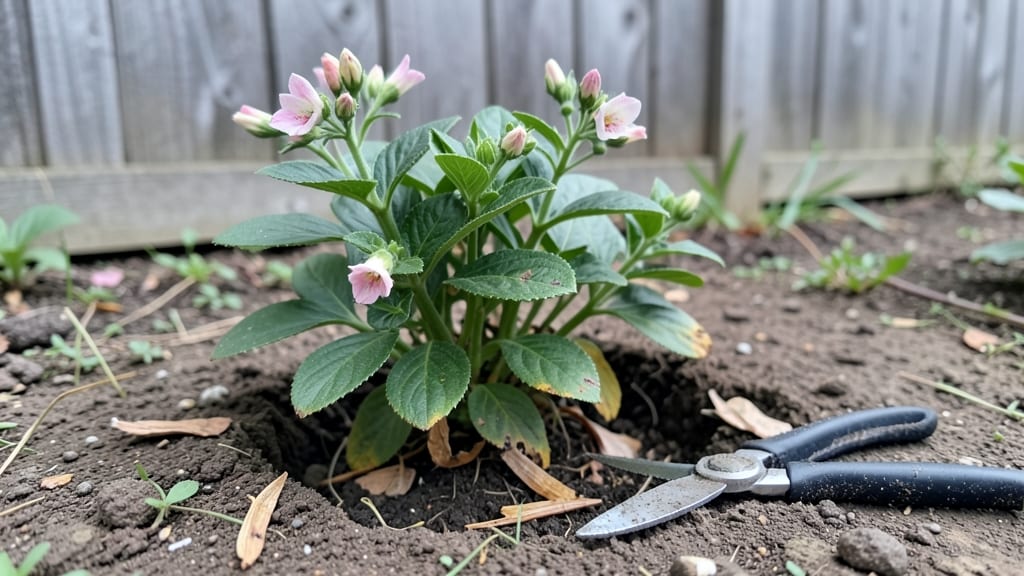
Pruning impatiens plants isn’t just about keeping them tidy—it’s the secret to nonstop blooms all summer long. ✨ I’ve learned that skipping this step means fewer flowers and leggy stems, but a little regular maintenance turns those plants into lush, flower-covered powerhouses.
The key is timing and technique, and once you master it, your impatiens will reward you with vibrant color from June until frost.
You only need two things: sharp pruning shears and about 10 minutes every few weeks. The best time to prune is right after a heavy bloom cycle—this encourages new growth and prevents the plant from putting energy into seed production.
Pinch off spent flowers at the base, and don’t be afraid to trim back leggy stems by a third if they’re getting too tall. This keeps the plant compact and bushier, so it fills out beautifully in containers or garden beds.
What you’ll end up with is a plant that looks fuller and more vibrant than anything you’ve grown before. The blooms come faster, last longer, and the foliage stays dense instead of sparse.
Even if you’ve let your impatiens go unpruned before, don’t worry—just start now, and you’ll see a noticeable difference within a couple of weeks. The effort is minimal, but the payoff is dramatic.
Works for both New Guinea impatiens and classic busier varieties, and the same method applies whether you’re growing them in pots or garden beds. Here’s how to do it right the first time—and avoid the mistakes that leave plants looking ragged.
📚 In This Guide
- What you need
- Instructions
- Tips and common mistakes
- Wrapping up and next steps
What you need
- ● Sharp pruning shears – Bypass-style (6-inch blades) for clean cuts. Avoid dull tools that crush stems!
- ● Garden gloves – Nitrile-coated (medium-weight) to protect hands from thorns and sap.
- ● Disinfectant (70% isopropyl alcohol or bleach solution) – Wipe tools between cuts to prevent disease spread.
- ○ Garden twine or plant ties – Optional but helpful for securing leggy stems if staking.
- ● Compost bin or potting mix – For discarded flowers or clippings (rich in nutrients!).
- ● Sunny to partially shaded location – Impatiens thrive in morning sun or dappled shade.
- ● Well-draining soil – Amend with peat moss or perlite if planting in containers.
- ● Watering can or hose with a gentle spray nozzle – Keep soil consistently moist (not soggy).
- ● Patience & timing – Prune in the morning on clear days to avoid stressing plants.
Step-by-step instructions for pruning impatiens plants
Here's the simple method I use to keep my impatiens blooming like crazy all summer.
✂️ Step 1: Identify and Remove Spent Blooms
Start by scanning each plant for blooms that have faded completely—these will look droopy or brown at the edges. I like to work on cloudy mornings when the flowers are still dewy, making it easier to spot the spent ones. Grab your pruning shears and snip just above the next set of leaves or where the flower stem meets the main stem.
Don't cut too close to the base—you want to leave a small bump where the bloom was. This prevents unsightly stubs and encourages new growth at that exact spot. Real talk: if you leave dead blooms, the plant puts energy into seed production instead of making more flowers.
✂️ Step 2: Trim Leggy Stems for Bushier Growth
After deadheading, look for stems that have stretched too tall or grown thin and leggy. These are usually the ones reaching toward the light source. With clean shears, cut these stems back to a point where you see healthy leaves—about 2-3 inches below the top growth. You'll be surprised how quickly new branches sprout from those leaf nodes.
I know it seems counterintuitive to cut back what looks like healthy growth, but impatiens respond beautifully to this pruning. The plant focuses its energy on filling out rather than reaching upward. Aim to keep your plants between 6-12 inches tall—this compact shape blooms more densely.
✂️ Step 3: Shape the Plant for Fullness
Now for the fun part—giving your impatiens that lush, rounded shape. Step back and look at the plant as a whole. Cut any stems that are growing outward at awkward angles or crossing over others. Focus on creating a natural, balanced shape by trimming stems that disrupt the plant's symmetry.
For trailing varieties, gently guide the vines along the edge of the container or hanging basket. You can lightly pinch back the tips of these vines to encourage bushier growth along their length. This step takes just a few minutes but makes a world of difference in how full your plants look.
💧 Step 4: Water and Fertilize After Pruning
Once you've finished pruning, give your impatiens a thorough watering to help them recover. Water at the base rather than overhead to prevent fungal issues. I like to water deeply until I see moisture coming out the drainage holes—this ensures the roots get the hydration they need after all that trimming.
After watering, add a balanced liquid fertilizer diluted to half strength. This gives your plants a quick boost to support all that new growth you've encouraged. I fertilize every 2-3 weeks during the growing season, but right after pruning is a great time to give them an extra treat.
☀️ Step 5: Monitor and Repeat Weekly
Keep an eye on your impatiens over the next week. You'll likely see new buds forming where you made cuts—this is your reward for pruning! Continue checking plants weekly for spent blooms. The more consistently you deadhead, the more your impatiens will reward you with continuous blooms.
Here's the thing—don't stress if you miss a week or two. Even occasional pruning keeps your plants looking better than never pruning at all. The key is to make it a regular habit, like watering or weeding. You'll have vibrant, bushy impatiens that keep flowering until frost if you stay on top of it.
Tips & tricks for pruning impatiens plants
Here's what nobody tells you about keeping your impatiens blooming all season long.
The Right Time Matters: I always prune in the morning when flowers are still dewy—this makes it easier to spot faded blooms. Early morning light also helps prevent stressing the plant, and you'll avoid the afternoon heat that can make pruning more challenging. Cloudy days are ideal because the soft light reduces glare, making faded blooms stand out more clearly.
Clean Tools Prevent Problems: Before you even start, wipe your pruning shears with rubbing alcohol or soapy water to sterilize them. This prevents spreading fungal diseases between plants. I also keep a small spray bottle of diluted bleach solution (1 part bleach to 9 parts water) handy for quick disinfection between cuts. Trust me on this—clean tools mean healthier plants.
Pinching Works Too: If you don't have pruning shears, you can use your fingers to pinch off spent blooms and leggy stems. Just make sure to pinch just above a leaf node or where the stem meets the main plant. This method works especially well for small containers or when you're out in the garden and don't have your tools handy. It's a great technique for encouraging bushier growth too!
Fertilizer Timing Boost: After pruning, I always fertilize immediately—right after watering. The plant's energy is focused on recovery and new growth, so it's the perfect time to give it that extra nutrient boost. I use a balanced liquid fertilizer diluted to half strength, but you can also use a slow-release granular fertilizer at this time. This step makes all the difference in how quickly your impatiens bounce back and start producing new blooms.
Pro Tips for Pruning Impatiens Plants
- Here's what nobody tells you about keeping your impatiens blooming all season long.
- The Right Time Matters: I always prune in the morning when flowers are still dewy—this makes it easier to spot faded blooms.
- Clean Tools Prevent Problems: Before you even start, wipe your pruning shears with rubbing alcohol or soapy water to sterilize them.
Frequently asked questions
Got questions about keeping your impatiens blooming like crazy? We’ve got answers! Here are some of the most common concerns—plus quick fixes to keep your plants thriving all season.
When is the best time to prune impatiens?
Prune impatiens after they’ve finished blooming for the season (usually late summer) to encourage fresh growth. For deadheading, snip spent blooms daily or every other day during peak bloom time to redirect energy to new flowers. Avoid heavy pruning in extreme heat—wait for cooler mornings!
How much should I cut back impatiens?
For deadheading, trim just above the next set of leaves or a leaf node. If pruning for shape or size, reduce leggy stems by one-third to half. Never cut into woody stems—focus on soft, green growth. Over-pruning can stress plants, so go light unless reviving a straggly specimen!
Can I prune impatiens in hot or cold weather?
Avoid pruning during heatwaves (above 90°F) or frost risks. Ideal temps are 60–75°F in the morning. If you must prune in heat, do it early or late in the day to prevent shock. Cold-sensitive impatiens (like Impatiens walleriana) may suffer if pruned before last frost—wait until spring!
What if my impatiens look leggy after pruning?
Leggy growth often means they need more light or balanced fertilizer. After pruning, move plants to a sunnier spot (but avoid harsh afternoon sun) and feed with a low-nitrogen, high-phosphorus fertilizer (like 5-10-5) to boost blooms. Pinch back new growth tips to encourage bushier habits!
Are there alternatives to pruning for more blooms?
Yes! Try these tricks:
- Fertilize regularly: Use a bloom booster every 2–3 weeks.
- Rotate pots: Ensure even light exposure to prevent lopsided growth.
- Deadhead strategically: Focus on removing only the topmost spent bloom to save time.
- Water deeply: Keep soil consistently moist (but not soggy) to reduce stress.
Wrapping up and next steps
Pruning your impatiens plants is a simple yet powerful way to keep them thriving and bursting with color all summer long! By mastering the art of deadheading and strategic trimming, you’ll encourage bushier growth, vibrant blooms, and a healthier plant that stands up to pests and diseases. 🌸
Now that you’re armed with the know-how, grab those shears and get ready to transform your garden into a nonstop floral show. Start with just one plant this week—watch it flourish, and soon, your entire impatiens patch will be the envy of the neighborhood!