
Companion Plants
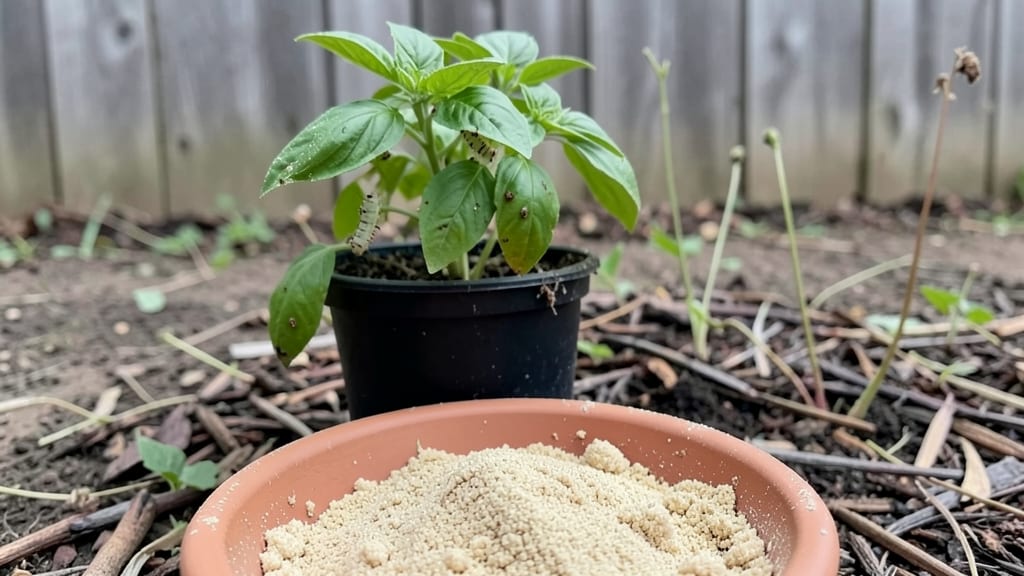
Pyrethrin for plants is a natural insecticide derived from chrysanthemum flowers, effective against soft-bodied pests like aphids, mites, and caterpillars while breaking down quickly in sunlight. Always dilute properly and apply during early morning or evening to maximize efficacy and minimize harm to beneficial insects.
This plant-based pesticide disrupts pests' nervous systems, causing rapid paralysis—ideal for gardeners seeking organic control. 🌿 Unlike synthetic chemicals, pyrethrin degrades within hours of sunlight exposure, reducing environmental buildup. I’ve found it especially useful for treating infestations on roses and basil, where softer pests thrive.
The key is patience: while it works fast, repeated applications (every 3-5 days) often yield the best results for persistent problems.
For best results, mix 1 teaspoon of pyrethrin concentrate per quart of water—never use it undiluted. Early morning applications avoid harming bees, and always store it in a cool, dark place to preserve potency. Pair it with companion plants like marigolds to enhance your garden’s natural defenses.
💡 In This Article
- How Pyrethrin Works Against Garden Pests
- Safe Pyrethrin Application Tips for Home Gardens
How pyrethrin works against garden pests
Pyrethrin attacks pests by overstimulating their nervous systems, specifically targeting sodium channels in nerve cells. This causes rapid, uncontrolled muscle contractions that paralyze and kill soft-bodied insects like aphids within minutes.
The active compounds—pyrethrin I and II—bind to nerve membranes, preventing normal signal transmission. 🔥 Unlike synthetic pyrethroids (which persist for weeks), natural pyrethrin breaks down completely within 24-48 hours due to its unstable chemical structure.
This rapid knockdown effect makes pyrethrin ideal for visible infestations, but its selectivity stems from how pests absorb it. Soft-bodied insects (aphids, mites) have thin exoskeletons that absorb the compound efficiently, while hard-bodied pests (beetles, ants) resist it.
The mechanism is similar to how neem oil works, but pyrethrin acts faster—neem disrupts feeding and reproduction over time, while pyrethrin delivers immediate paralysis.
Sunlight accelerates pyrethrin's degradation through a process called photolysis. When exposed to ultraviolet light, the compound's molecular structure breaks down into harmless byproducts within hours.
This is why morning or evening applications are crucial—direct sunlight would neutralize the spray before it works. 🌞 In contrast, synthetic pyrethroids contain stabilizing agents that extend their lifespan to weeks or months, which is why they're more persistent in the environment.
The breakdown process also explains why pyrethrin is safer for beneficial insects. Bees and ladybugs typically avoid treated plants if applied correctly, and any residue degrades before they return. This selectivity contrasts with broad-spectrum chemicals that harm everything indiscriminately.
For example, while pyrethrin will kill aphids on your roses, it won't linger to harm the ladybugs that arrive later to clean up.
Pyrethrin's effectiveness varies by pest type and environmental conditions. In controlled studies, it achieves 90% knockdown of aphids within 30 minutes at proper concentrations, but humidity levels below 50% can reduce efficacy by up to 30%.
The compound works best when sprayed directly on pests, as it doesn't provide residual protection like some synthetic alternatives.
For gardeners comparing options, pyrethrin offers a middle ground between immediate action and environmental safety. While neem oil provides longer-term protection through hormonal disruption, pyrethrin delivers visible results within hours—making it ideal for emergency treatments. However, its short lifespan means you'll need to reapply more frequently than with synthetic alternatives.
The key takeaway is understanding this balance: pyrethrin's rapid action and quick breakdown make it a powerful yet temporary solution for soft-bodied pests. 🌱 This explains why it's often combined with other organic methods (like companion planting) for comprehensive pest management in home gardens.