
Diseases
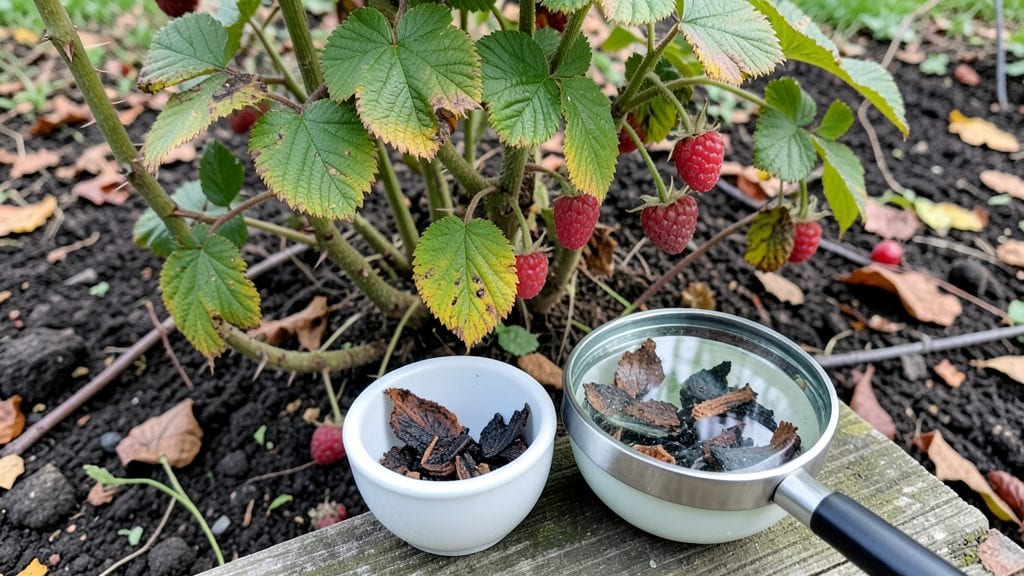
Raspberry plants can go from vibrant and productive to a shadow of themselves in just a few weeks if diseases take hold. 🌱 I’ve watched my own canes turn yellow, fruit rot on the vine, and new growth wither—all signs of common raspberry diseases that spread faster than you’d think.
The key to saving your harvest isn’t waiting for symptoms to appear; it’s catching them early when treatments still work.
Most raspberry diseases start with moisture—whether from rain, overhead watering, or poor airflow between canes. Fungal infections like powdery mildew leave white fuzz on leaves, while bacterial spots create dark, oily patches that spread like wildfire.
Viruses, though less common, show up as stunted growth or distorted fruit. The good news? All of these can be managed—or even prevented—with the right care and quick action.
You’ll learn to spot the early warning signs (like tiny yellow specks on leaves or soft spots on berries) and use targeted treatments before the problem spirals out of control.
Organic options like neem oil or copper sprays work for many fungal issues, while pruning out infected canes stops bacterial spread in its tracks. The goal isn’t just to treat the disease—it’s to protect next year’s crop too.
We’ll cover the most destructive diseases, how to tell them apart, and what to do if you’re already dealing with an outbreak. No garden should become a write-off—with the right knowledge, you can keep your raspberries thriving for years. Let’s get your plants back on track.
Root Causes of Raspberry Ailments
Raspberry plants, like any living organism, are vulnerable to diseases when their delicate balance is disrupted. Understanding why these issues arise is the first step to prevention. Below, we break down the key factors that create the perfect storm for raspberry plant diseases—from invisible pathogens to environmental stressors.
Most raspberry diseases are triggered by fungi, bacteria, or viruses, which thrive in specific conditions. These pathogens are often already present in soil, water, or nearby plants but only cause harm when:
- 🌱 Weakened Plant Defenses: Stress from poor nutrition, drought, or physical damage (e.g., pruning cuts) opens doors for pathogens. For example, Phytophthora root rot exploits waterlogged roots weakened by compacted soil or overwatering.
- 🌡️ Ideal Moisture and Temperature: Fungi like Didymella applanata (the cause of raspberry leaf spot) spread rapidly in humid, warm conditions (70–80°F). Bacteria such as Xanthomonas fragariae (which affects raspberries too) multiply quickly in standing water on leaves.
- 🌿 Contaminated Tools or Soil: Pruners, trellises, or even bird droppings can carry spores or bacteria. Botrytis cinerea (gray mold) often hitches a ride on infected plant debris left in the garden.
Pro Tip: 💡 Sterilize tools with 70% isopropyl alcohol or a 10% bleach solution between uses to break this cycle.
Raspberries are hardy, but extreme or inconsistent conditions can trigger diseases by creating stress responses that lower their resistance. Key culprits include:
| Factor | How It Weakens Plants | Diseases It Encourages |
|---|---|---|
| 💧 Overwatering or Poor Drainage | Roots suffocate, leading to root rot and fungal infections. | Phytophthora, Armillaria (shroom root rot) |
| ☀️ Intense Heat or Drought | Plants wilt, reducing photosynthesis and making them susceptible to bacterial infections. | Pseudomonas (leaf scorch), Verticillium wilt |
| 🍃 Nutrient Deficiencies | Lack of magnesium, potassium, or nitrogen stunts growth, making plants easier targets. | Anthracnose, Powdery mildew |
| 🌬️ Poor Air Circulation | Humidity lingers, creating a damp microclimate perfect for fungal spores. | Botrytis, Leaf spot diseases |
Actionable Fix: ✨ Space plants 3–4 feet apart and prune for airflow. Mulch with straw or wood chips (not plastic) to balance moisture without suffocating roots.
Some pests don’t just damage raspberries—they spread diseases. For instance:
- 🐜 Aphids: These sap-sucking insects excrete honeydew, a sticky residue that fosters sooty mold (a fungal growth) and attracts Botrytis spores.
- 🦟 Spider Mites: Their feeding weakens leaves, making them vulnerable to bacterial leaf spot.
- 🐛 Japanese Beetles: Their larvae chew roots, creating entry points for nematodes (microscopic worms that cause stunting and yellowing).
Prevention Tip: 🎯 Introduce beneficial insects like ladybugs or lacewings to control pests naturally. Use neem oil as a spray to deter both pests and fungal spores.
Even well-meaning gardening practices can inadvertently invite diseases. Common offenders:
- 🔪 Improper Pruning: Cutting too late in the season (after June) or leaving stubs encourages canes to rot and spreads Didymella spores.
- 🌿 Planting Too Close: Overcrowded canes trap moisture, promoting gray mold and rust diseases.
- 🌱 Ignoring Old Debris: Leaving last year’s leaves or mummies (dried fruit) in the bed preserves Botrytis and anthracnose spores for next season.
- 💦 Watering from Above: Splashing water onto leaves spreads bacterial and fungal spores like wildfire.
Quick Fix: ⏰ Prune in late winter/early spring (before buds swell) and water at the base with a drip system or soaker hose.
Quick Fixes for Raspberry Plant Ailments
When your raspberry plants show signs of distress, acting fast can save your harvest—and your sanity! Below are practical, step-by-step solutions for the most common raspberry diseases, paired with prevention tips to keep your plants thriving. Think of this as your emergency repair kit for sickly canes.
Cause: Humid conditions, poor airflow, or wet foliage. Fix:
- 🔥 Prune Immediately – Remove infected leaves and canes (sterilize pruners with rubbing alcohol between cuts).
- 🍳 Spray Fungicide – Use a baking soda spray (1 tsp baking soda + 1 quart water + a drop of dish soap) or a copper-based fungicide (like Bordeaux mixture) every 7–10 days.
- 🌬️ Boost Airflow – Thin out crowded canes and space plants 2–3 feet apart. Consider a fan on low near the patch to dry leaves faster.
Prevention Tips: ✨ Water at the base (never overhead) to keep leaves dry. 🌡️ Avoid late-season nitrogen—it encourages lush growth that’s prone to mildew. 🎯 Plant resistant varieties like ‘Heritage’ or ‘Boyne’ if fungal issues are chronic.
Cause: Weak plants attract pests, which spread viruses like raspberry bushy dwarf virus. Fix:
- 👨🍳 Blast Off Pests – Spray plants with a soapy water solution (1 tsp mild soap per quart of water) or neem oil (1 tbsp per quart, shake well).
- 🔪 Introduce Beneficial Bugs – Ladybugs and lacewings devour aphids. Buy them online or attract them with dill or fennel nearby.
- 🌿 Prune Infested Tips – Snip off heavily damaged growth to stop the spread.
Prevention Tips: 💡 Inspect new plants before adding them to your patch. 🔥 Use reflective mulch (like aluminum foil) to deter pests—it confuses them! 🥗 Encourage biodiversity—healthy soil = stronger plants that pests avoid.
Cause: Overwatering, compacted soil, or contaminated tools. Fix:
- ⏰ Drain the Drama – If soil is waterlogged, amend with compost and improve drainage by adding perlite or coarse sand.
- 🌱 Replant Affected Canes – For crown gall (lumpy roots), cut out the galls completely and treat cuts with hydrogen peroxide (3%) to sterilize.
- 🚫 Avoid Watering Overhead – Switch to drip irrigation or soaker hoses to keep roots dry.
Prevention Tips: 🌡️ Test your soil—raspberries prefer slightly acidic (5.5–6.5 pH) and well-draining soil. 🎯 Rotate crops—don’t plant raspberries in the same spot yearly to break disease cycles. ✨ Sterilize tools with bleach or fire between cuts to prevent spreading bacteria.
Cause: Spread by infected plants, insects, or contaminated tools. Fix:
- 🔪 Remove Infected Plants – Burn or trash (don’t compost!) plants showing yellow rings, distorted leaves, or dark spots—viruses are untreatable.
- 🍳 Disinfect Everything – Clean pruners, gloves, and containers with 70% rubbing alcohol or bleach solution (1:10 ratio).
- 🌱 Quarantine New Plants – Keep them separate for 2–3 weeks and monitor for symptoms.
Prevention Tips: 💡 Buy certified disease-free plants from reputable nurseries. 🔥 Control aphids aggressively—they’re the #1 virus spreader! 🥗 Rotate plant families—don’t follow raspberries with other Rosaceae (like strawberries or apples).
Final Pro Tip: 🌿 Healthy plants fight disease better! Focus on balanced fertilization (too much nitrogen = weak defenses) and proper pruning (remove old canes yearly to improve airflow). A little prevention now = big rewards later—your raspberries will thank you with juicy, disease-free berries! 🍓✨
Frequently asked questions
What are the first signs of raspberry plant diseases I should watch for?
Look for tiny yellow spots on leaves (early leaf spot), white powdery patches (mildew), or dark, oily-looking lesions (bacterial infections). Check the undersides of leaves too—many fungal spores hide there. Fruit may develop soft brown spots or fail to ripen if infected early.
Can I save raspberry canes that already have fungal diseases like powdery mildew?
Yes, but act fast! Prune off infected leaves immediately and apply a copper fungicide or baking soda spray (1 tsp baking soda + 1 quart water). For severe cases, remove entire canes if over 50% infected—some diseases (like anthracnose) can overwinter in plant debris.
Why do my raspberries get diseases every year, even with treatments?
Persistent issues usually stem from overcrowding, poor airflow, or contaminated soil/tools. Space canes 3–4 feet apart, water at the base, and sterilize pruners between cuts. Rotate crops every 3–4 years to break disease cycles—raspberries shouldn’t return to the same spot annually.
Are there disease-resistant raspberry varieties I should consider?
Try ‘Heritage’ (resistant to leaf spot), ‘Boyne’ (tolerates mildew), or ‘Nova’ (disease-resistant hybrid). These varieties are bred to handle common fungal/bacterial pressures—perfect for humid climates or beginner gardeners.
How do I know if my raspberry plant has a viral infection?
Viruses show as stunted growth, yellow rings on leaves, or distorted fruit. Unlike fungi/bacteria, viruses can’t be cured—remove infected plants immediately and disinfect tools. Aphids spread most raspberry viruses, so control them aggressively with neem oil or insecticidal soap.