
Lawn
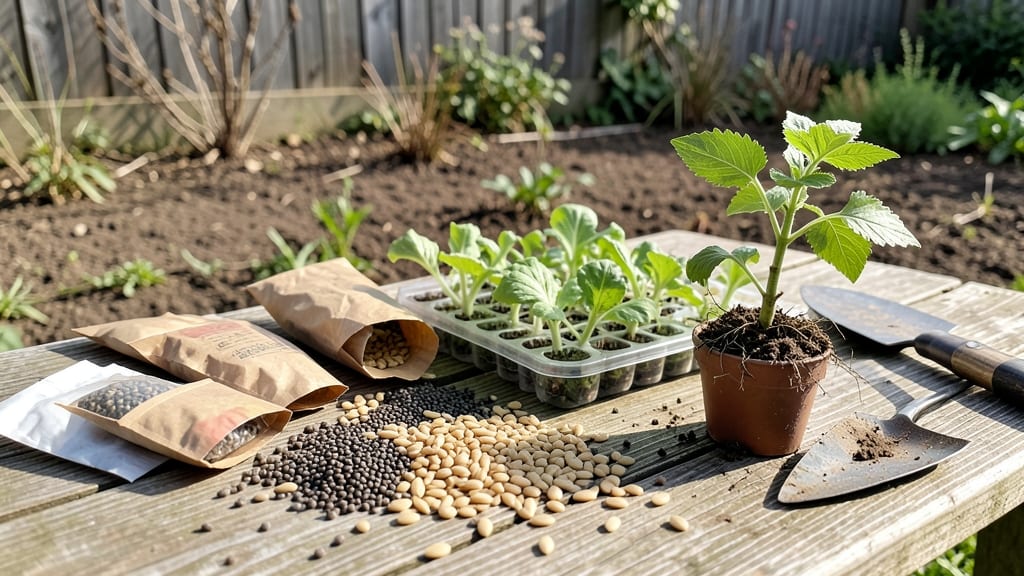
A seed planting schedule is your roadmap to a thriving garden—miss the timing, and you’ll waste seeds, time, and patience.
Timing is everything in gardening—plant your seeds too early, and they’ll rot; too late, and you’ll miss the harvest. Follow this seed planting schedule to maximize growth and yield, whether you’re a novice gardener or a seasoned green thumb.
Cool-season crops like spinach and peas love the crisp air of fall, while tomatoes and peppers crave the warmth of spring. But how do you know when to start? The answer depends on your USDA zone, frost dates, and even the type of seeds you’re sowing.
Below, I break down the month-by-month planting windows for USDA Zone 6a and beyond, plus pro tips for adjusting your schedule if Mother Nature throws a curveball. Ready to grow with confidence?
Monthly seed planting schedule by climate Zone: when to plant for optimal harvests
Mastering the seed planting schedule is the key to a bountiful harvest. Your USDA climate zone determines when to plant cool-season crops like lettuce and warm-season crops like tomatoes.
For example, in Zone 6, I start warm-season seeds indoors by March 1 and transplant after the last frost date (around May 15). Meanwhile, cool-season crops like spinach thrive when sown 4-6 weeks before the first frost—typically by August 1 for a fall harvest.
Soil temperature is just as critical as dates. Most warm-season crops need soil at at least 60°F, while cool-season crops grow best in 50-65°F soil. I use a soil thermometer to check—this small investment prevents wasted seeds.
For instance, peppers won’t germinate below 70°F, so I wait until late May in my Zone 7 garden. Timing also varies by plant type: fast growers like radishes (30 days) can go in early spring, while squash (90+ days) needs a long, warm season.
Here’s how to align your planting with frost-free days and seasonal shifts across USDA Zones 3-10 for high-yield crops:
My Zone 6 garden thrives with succession planting—sowing radishes every 2 weeks from March to September ensures a steady harvest. For warm-season crops, I start tomato and pepper seeds indoors by February 15 to give them a 6-8 week head start.
By the time soil warms, my seedlings are stocky and ready for transplanting. Herbs like basil love warm soil but bolt quickly, so I plant them after the last frost (usually May 1) and harvest leaves before flowers form.
Leafy greens like spinach and kale are my go-to cool-season crops. I sow them in early spring (March) and again in late summer (August) for a fall harvest. These crops tolerate light frosts, so I don’t rush to harvest before the first frost—cold weather actually sweetens their flavor. For root vegetables like carrots, I focus on loose, well-drained soil and plant them 4-6 weeks before the first frost to avoid woody textures. In Zone 7, that means sowing by August 1 for a harvest before winter.
Adjust your schedule based on microclimates in your garden. A south-facing wall can warm soil 2-3 weeks earlier than open beds, perfect for early tomato planting. Conversely, low-lying areas may need row covers to protect cool-season crops from late frosts.
I test my soil’s moisture and temperature daily during critical planting windows—this precision pays off with healthier, more productive plants. For example, cucumbers wilt in dry soil, so I monitor their water needs closely after transplanting.
Don’t overlook herbs in your planting schedule. Cilantro bolts in heat, so I plant it in early spring and fall (March and September in Zone 6). Dill, however, thrives in warm soil and can handle summer heat, making it a great succession crop from May to July.
Even flowers like marigolds (which repel pests) follow a schedule—I plant them in early spring and late summer to coincide with vegetable planting cycles. Their bright blooms also attract pollinators, boosting yields for crops like zucchini and cucumbers.
Use seed packet guidelines as a baseline, but always cross-reference with your local frost dates and historical weather patterns. For instance, peppers need 120-150 days to mature, so I plant them in late April in Zone 7 to harvest by September.
If you’re new to gardening, start with fast-growing crops like bush beans (50 days) or lettuce (30 days) to build confidence. Over time, you’ll refine your seed planting schedule based on what works best in your unique climate. The more you experiment, the more predictable and rewarding your harvest
Best seeds to plant together: companion planting pairings for faster growth
Did you know that planting certain seeds together can boost growth by up to 30%? Companion planting isn’t just folklore—it’s a science-backed strategy that improves nutrient uptake, deters pests naturally, and even enhances flavor profiles.
For example, basil planted near tomatoes repels flies while improving tomato flavor, while carrots and onions grow better together because the onions deter carrot flies. The key is understanding which plants thrive as partners and which should never be paired.
Before you start mixing seeds, check your USDA zone and soil conditions—some pairings work best in warmer climates, while others excel in cooler regions. For instance, peppers and basil are a match made in heaven in zones 8-10, but may struggle in colder zones.
Always align your companion planting with your local seed planting schedule to avoid stunted growth or failed harvests. Let’s dive into the best pairings that will transform your garden into a high-yield powerhouse.
Not all pairings are created equal—some combinations can actually stunt growth or even be toxic to each other. For example, planting beans near onions or garlic can inhibit their growth due to competing nutrients.
Even worse, potatoes and tomatoes should never be planted together because they both belong to the nightshade family and can spread diseases like blight. Always double-check before mixing seeds to avoid disappointing results.
To maximize your companion planting success, start by grouping fast-growing plants like radishes with slower ones like carrots. Radishes will mature quickly, allowing you to harvest them before they compete for space.
Additionally, interplant flowers like nasturtiums or marigolds around your vegetables—they act as natural pest repellents while adding beauty to your garden. For instance, nasturtiums planted near cucumbers can reduce squash bug populations by up to 50%, giving your cucumbers a fighting chance.
Pro tip: Use mulch around your companion plantings to retain moisture and suppress weeds. Organic mulches like straw or shredded leaves also improve soil health over time, creating a self-sustaining ecosystem.
If you’re new to companion planting, start small with a few proven pairings like basil and tomatoes or carrots and onions. Once you see the benefits—like bigger yields and fewer pests—you’ll be hooked on this natural gardening hack.
Remember, the best companion planting strategies align with your local seed planting schedule and climate. For example, in cooler zones, focus on cool-season pairings like kale and potatoes, while warmer zones can thrive with tomatoes and peppers paired with basil.
With the right combinations, you’ll not only save space but also create a garden that’s healthier, more productive, and easier to maintain. Happy planting!