
Pruning
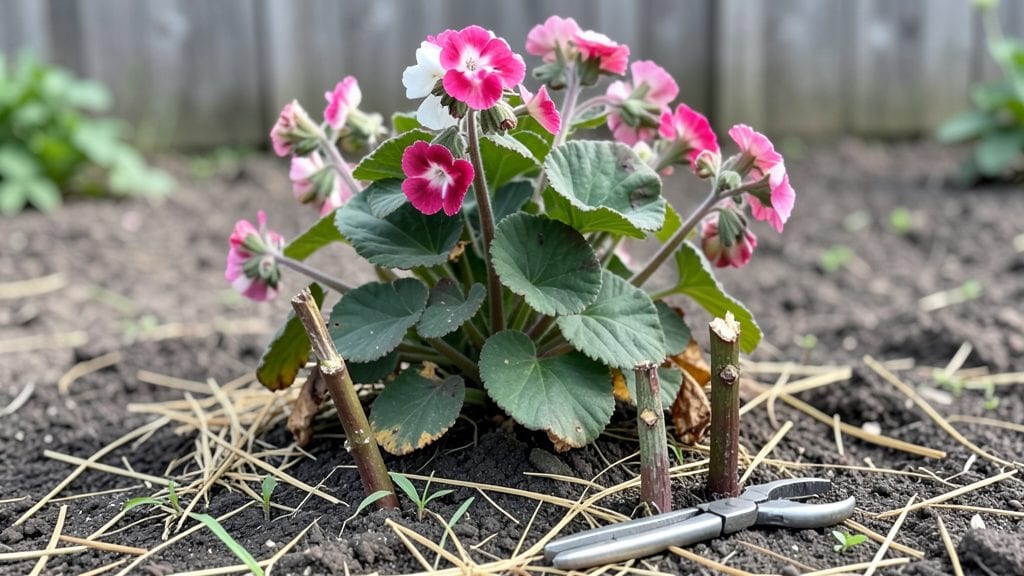
Trimming geranium plants isn’t just about keeping them tidy—it’s the secret to nonstop blooms that last from spring through frost. 🌿 I learned this the hard way after my first geraniums turned into leggy sticks with just a few sad flowers by summer’s end.
The right cuts at the right time transform those plants into lush, flowering powerhouses.
You only need three basic tools: sharp bypass pruners for clean cuts, gloves to protect your hands from thorns, and a small bucket for clippings. The timing matters most—spring pruning sets up bushier growth, while mid-summer trims encourage another flush of flowers before fall.
Even a little maintenance every few weeks keeps them compact and productive.
After pruning, you’ll see new growth within 10-14 days, with fresh buds forming at the tips of those vibrant green stems. The flowers stay vibrant longer, and the plants resist heat stress better. It’s the difference between a geranium that fades by July and one that blooms until frost.
Works for both zonal geraniums (hardy types) and pelargoniums (tender varieties), so you can use this method for patio pots, window boxes, or even hanging baskets. Let’s get those shears ready—your geraniums will thank you with color all season long.
📚 In This Guide
- What you need
- Instructions
- Tips and common mistakes
- Wrapping up and next steps
What you need
- ● Sharp bypass pruners – Clean, sterilized, and sharp (1 pair). Avoid dull tools—they crush stems instead of cutting cleanly.
- ● Hand pruners (for smaller stems) – For precision trimming (1 pair). Look for ergonomic grips for comfort.
- ● Disinfectant (70% isopropyl alcohol or bleach solution) – 1 small spray bottle or wipe. Sterilizes tools between cuts to prevent disease.
- ○ Gloves (optional but recommended) – Nitrile or garden gloves (1 pair). Protects hands from thorns and sap.
- ● Newspaper or tarp – 1-2 sheets. Lays under plants to catch debris and make cleanup easy.
- ● Watering can or hose with a gentle nozzle – For post-pruning hydration. Keep plants hydrated before and after trimming.
- ● Horticultural oil or fungicide – For treating cuts if needed. Apply if stems look diseased.
- ● Plant food or fertilizer – Balanced 10-10-10 or bloom booster. Feed plants 1-2 weeks post-pruning for a growth boost.
- ● Notebook & pen – To track pruning dates and plant responses. Helps plan future trims!
- ● Pruning shears with extended handles – For hard-to-reach spots (great for large pots or hanging geraniums).
Step-by-Step guide to trimming geranium plants for year-round blooms
Here's how to keep your geraniums lush and flowering with simple, effective cuts.
✂️ Step 1: Remove Dead or Damaged Growth
Start by inspecting your geraniums for any brown, yellow, or wilted stems and leaves. Use clean, sharp pruners to snip these away at the base—this prevents disease from spreading to healthy parts of the plant. I always work from the bottom up, removing any stems that look weak or leggy first. This step keeps your plant focused on producing new, vibrant growth instead of wasting energy on damaged parts.
Look for stems that are hollow or mushy when you squeeze them—these are dead and should be cut out completely. You'll notice a difference in texture: healthy stems feel firm, while dead ones collapse easily. After trimming, discard the clippings in the trash, not the compost, since diseased material can contaminate other plants.
✂️ Step 2: Prune for Shape and Encourage Bushiness
Next, trim back the remaining stems to encourage a fuller, bushier shape. Cut just above a set of leaves where the stem is about ¼ inch above the leaf node. This is where new growth will sprout, so precision matters. I like to shape my geraniums into a rounded form—this mimics their natural growth habit and makes them look more vibrant.
If your geranium has become too leggy, you can cut back up to ⅓ of the plant's height, but never more than that in one session. You'll see new shoots emerge within 2-3 weeks from the leaf nodes you left behind. Avoid cutting into woody stems, as these won't regrow. Focus on the softer, green growth for the best results.
🌿 Step 3: Lightly Trim Flowers to Promote Continuous Blooming
Geraniums bloom best when you deadhead spent flowers regularly. Use your fingers or pruners to pinch off the faded blooms just above the next set of leaves or buds. This signals the plant to redirect its energy into producing new flowers instead of seeding. I do this every 1-2 weeks during the growing season to keep my geraniums in constant bloom.
Don’t overdo it—only remove flowers that have fully wilted or turned brown. If you cut into healthy buds, you’ll stunt future blooms. After trimming, give your geranium a light watering to help it recover. You’ll notice fresh buds forming within 10-14 days, and your plant will look fuller and more vibrant.
⏰ Step 4: Maintain Through the Seasons
In late summer, reduce pruning to just deadheading and minor shaping. Geraniums need time to harden off before winter. If you're growing them in pots, move them to a sheltered spot before the first frost. I always bring mine indoors or wrap the pots in burlap to protect the roots from freezing temperatures.
During dormancy, water sparingly—just enough to keep the soil from drying out completely. In early spring, give your geraniums a light trim to remove any winter damage and encourage fresh growth. You’ll see new leaves and buds within 3-4 weeks, and your plant will be ready for another season of blooms.
Tips & tricks for perfect geranium trimming
Small adjustments during trimming can transform your geraniums from sparse to spectacular—here's how to get it right.
The Precision Cut: When shaping your geraniums in Step 2, those ¼ inch cuts above leaf nodes are everything. Use a ruler or your fingernail as a guide to maintain consistency. I've learned this the hard way—cutting too close to the node can damage the growth point, while cutting too far away leaves bare stems. Aim for that sweet spot where new shoots will emerge.
Timing is Everything: The 1-2 week deadheading schedule in Step 3 keeps blooms coming, but timing matters more than you'd think. I've found that early morning is ideal—cooler temperatures mean less stress on the plant, and you'll catch more buds before they fully wilt. Plus, you'll avoid attracting pests that might be active later in the day.
Tool Maintenance: Your pruners are just as important as your technique. Clean them with rubbing alcohol between cuts to prevent spreading disease, especially when removing damaged growth in Step 1. I keep a small bottle of alcohol in my gardening toolbox and wipe them down after every few cuts. Sharp, clean tools make precise cuts that heal faster.
Seasonal Adjustments: The 3-4 week recovery time mentioned in Step 4 applies to spring trims, but don't rush it. In cooler climates, wait until after the last frost before moving potted geraniums outdoors. I've seen new growth get damaged by unexpected late frosts—better to be patient than risk losing your progress.
Pro Tips for Trimming Geranium Plants
- Small adjustments during trimming can transform your geraniums from sparse to spectacular—here's how to get it right.
- The Precision Cut: When shaping your geraniums in Step 2, those ¼ inch cuts above leaf nodes are everything.
- Timing is Everything: The 1-2 week deadheading schedule in Step 3 keeps blooms coming, but timing matters more than you'd think.
Frequently asked questions
Got questions about trimming your geraniums like a pro?
You’re in the right place! Here are answers to the most common queries—from timing to troubleshooting—to keep your plants thriving and blooming all season.
When is the best time to trim geranium plants?
Trim geraniums in early spring (just as new growth starts) and again after each major bloom cycle (every 6–8 weeks). Light pruning can happen year-round, but avoid heavy cuts in late summer—this can stunt fall/winter blooms. Pro tip: Deadhead spent flowers immediately to encourage more blooms!
How often should I trim geraniums for continuous blooms?
For non-stop blooms, trim geraniums every 6–8 weeks during the growing season (spring to frost). Light maintenance (removing dead leaves or leggy stems) can be done weekly. Over-trimming stresses plants—stick to 1/3 of the plant’s height max per session to avoid shock.
What if I trim too much? Will my geranium die?
Geraniums are resilient, but aggressive pruning (cutting back more than 1/3 of the plant) can stress them. If you’ve overdone it, don’t panic! Water deeply, fertilize lightly, and avoid pruning for 4–6 weeks. New growth should sprout within 2–3 weeks if conditions (sun, water) are ideal.
Can I propagate geraniums from cuttings after trimming?
Use healthy 3–4 inch cuttings from trimmed stems (remove lower leaves, dip in rooting hormone). Place in water or moist potting mix, keeping in bright, indirect light. Roots form in 2–4 weeks. This is a great way to multiply plants for free!
Should I trim geraniums before rain or after?
Trim before rain if possible—wet tools spread disease, and freshly cut stems are vulnerable to fungal issues. If you must prune after rain, sterilize shears with rubbing alcohol and avoid working on soggy plants. Always trim on a dry, sunny day for best results.
Wrapping up and next steps
Trimming your geranium plants doesn’t have to be intimidating—it’s all about timing, technique, and a little love! 🌿 With the right tools, a gentle hand, and regular care, you’ll enjoy lush, vibrant blooms all season long. Remember, consistency is key, so grab those shears and get pruning!
Ready to take your geraniums to the next level? Start small—pick one plant to practice on, then expand your skills. Before you know it, your garden will be bursting with color, and you’ll be the proud pruning pro of the neighborhood! 🌸