
Diseases
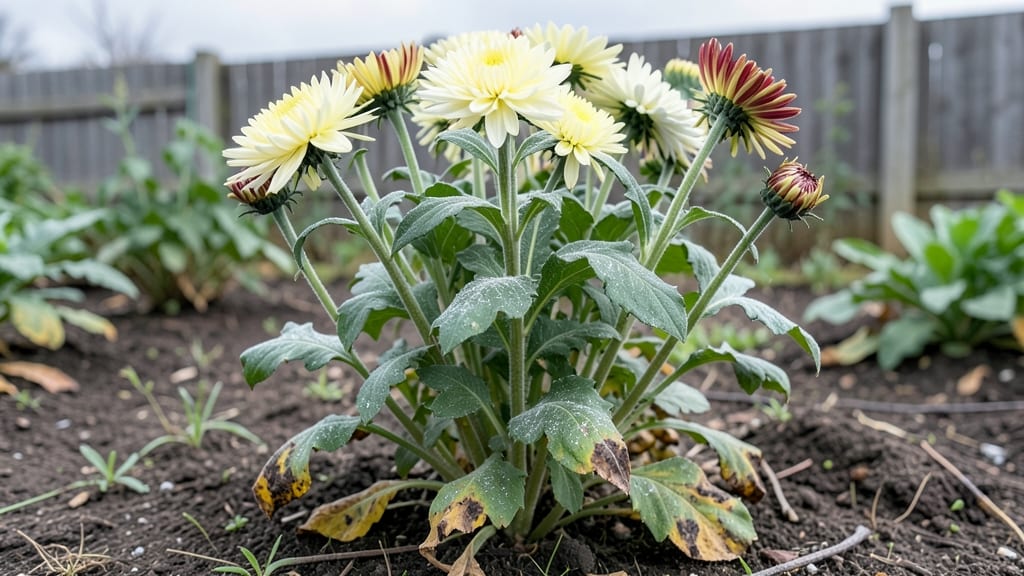
Chrysanthemum plant diseases can turn your fall blooms into a sad, wilted mess if you don’t catch them early. I’ve seen my own chrysanthemums go from vibrant clusters to limp, spotted leaves in just a few weeks—until I learned to spot the warning signs before the damage spreads.
The key is knowing what to look for, whether it’s yellowing leaves, black spots, or stunted growth, so you can act before your plants give up entirely.
Most problems start with overwatering or poor air circulation, creating the perfect conditions for fungal infections like leaf spot or powdery mildew. My biggest mistake? Ignoring the first few brown spots until they covered half the plant.
Once you recognize the symptoms—think greasy black patches or white powder—you can isolate the plant and treat it before it weakens your whole garden. Organic options like neem oil or baking soda sprays work well for early stages, but stubborn cases might need a targeted fungicide.
With the right approach, you’ll save your chrysanthemums from fading into the fall. I’ve revived plants that looked hopeless by adjusting watering, pruning infected leaves, and applying preventive sprays every two weeks.
The payoff? Bold, healthy blooms that last well into winter, instead of a sad, disease-ridden disappointment. Here’s how to diagnose and fix the most common issues before they ruin your season.
Fair warning: Some diseases, like chrysanthemum wilt, require professional intervention if they spread too far. But for the rest? You’ve got this. The sooner you act, the sooner your plants bounce back—and next year, you’ll spot problems before they start.
Root Causes Of Chrysanthemum Ailments
Chrysanthemums (Chrysanthemum spp.) are prized for their vibrant blooms, but their health can quickly decline due to a mix of environmental stressors, microbial invaders, and cultural mismanagement. Understanding why these diseases strike is the first step to prevention.
Below, we break down the science behind the most common triggers—so you can address the root of the problem before it wreaks havoc on your garden.
Chrysanthemums thrive in well-draining soil, but when roots sit in soggy conditions, they become prime targets for fungal infections like Phytophthora and Pythium. Here’s why this happens:
- Oxygen Deprivation: Waterlogged soil cuts off oxygen to roots, weakening their defenses. Fungi and water-mold pathogens love this anaerobic environment—they multiply rapidly, invading root tissues and causing root rot.
- Temperature Fluctuations: Cool, damp soil (common in spring or fall) slows microbial decomposition, leaving organic matter to ferment. This creates an acidic, nutrient-poor zone where pathogens thrive.
- Contaminated Water: Stagnant water in pots or garden beds can harbor Botrytis spores (gray mold) or Erwinia bacteria, which hitch a ride into plant tissues through wounds or stomata.
💡 Pro Tip: Test your soil’s drainage by digging a 6-inch hole, filling it with water, and timing how long it takes to drain. If it’s slower than 4 hours, amend with perlite, sand, or compost to improve aeration.
Many chrysanthemum diseases—such as Septoria leaf spot or powdery mildew—are caused by fungal spores that lie dormant in soil, mulch, or even on old plant debris. Here’s how they strike:
- Perfect Moisture Conditions: Spores need high humidity (75%+) and leaf wetness (10+ hours) to germinate. Overhead watering or dense foliage traps moisture, creating a fungal buffet.
- Wound Entry Points: Pruning cuts, insect damage (like aphids or spider mites), or even hail can create openings for fungi to invade. Alternaria and Cercospora often exploit these weak spots.
- Temperature Dependence: Most fungal pathogens prefer 60–80°F. Warm, humid summers (or cool, damp springs) are peak infection windows.
✨ Prevention Hack: Space plants for airflow (12–18 inches apart) and water at soil level in the morning to let leaves dry quickly. Remove fallen leaves and mulch 3 feet away from the base to starve spores.
Bacterial diseases like Xanthomonas (bacterial leaf spot) or Pseudomonas spread through contaminated tools, splashing water, or even human touch. Here’s the science:
- Waterborne Spread: Bacteria cling to water droplets, traveling from infected leaves to healthy ones via rain or irrigation. Erwinia (soft rot) thrives in warm, wet conditions, turning stems mushy.
- Tool Transmission: Pruners, trowels, or even gloves can carry bacteria from plant to plant. A single snip on an infected stem transfers Xanthomonas, causing V-shaped brown lesions on leaves.
- Stress as a Gateway: Over-fertilizing (especially with nitrogen) or drought weakens chrysanthemums, making them 3x more susceptible to bacterial invasion.
🔥 Sanitation Rule: Sterilize tools with 70% isopropyl alcohol or a 10% bleach solution between uses. Avoid overhead watering, and never compost diseased plant material—burn it instead.
Chrysanthemums need a balanced diet, but too much (or too little) of certain nutrients can leave them vulnerable. Key triggers include:
| Nutrient Issue | How It Causes Disease | Fix It With |
|---|---|---|
| Excess Nitrogen | Promotes soft, lush growth that’s prone to fungal infections (e.g., powdery mildew). Weakens cell walls, making plants easier targets. | Switch to a balanced 10-10-10 fertilizer or add compost for slow-release nutrients. |
| Magnesium Deficiency | Leads to interveinal chlorosis, reducing chlorophyll and weakening the plant’s ability to fight off pathogens like Septoria. | Apply Epsom salt (1 tbsp/gallon of water) every 4–6 weeks. |
| Potassium Starvation | Reduces cell membrane integrity, making plants more susceptible to Botrytis (gray mold) and Phytophthora. | Use a potassium-rich fertilizer (like greensand) or wood ash (sparingly). |
📊 Soil Test Tip: Send a soil sample to your local extension office—it’ll reveal deficiencies or toxicities (like sodium buildup) that invite disease.
By tackling these underlying causes—drainage, spores, bacteria, and nutrition—you’ll create an environment where chrysanthemums can thrive instead of suffer. Next, we’ll dive into early warning signs so you can catch problems before they bloom into full-blown crises.
Quick Fixes for Common Chrysanthemum Ailments
Now that you’ve identified the culprit behind your chrysanthemum’s woes, it’s time to take action! Below are practical, step-by-step solutions tailored to each disease, plus prevention tips to keep your blooms thriving. Think of this as your plant’s emergency kit—ready, set, revive!
Powdery Mildew: The Fluffy White Threat
Fix it: 🔥 Remove infected leaves (gloves recommended!) and dispose of them in the trash—not the compost.
Fungal spores are sneaky and can reinfect. 🍳 Mix a baking soda spray: Combine 1 teaspoon baking soda, 1 teaspoon horticultural oil, and 1 quart of water.
Spray undersides of leaves (where mildew loves to hide) every 5–7 days until symptoms fade. Why it works: Baking soda raises the leaf pH, making it inhospitable for fungi. 👨🍳 Boost airflow: Prune nearby foliage to improve circulation.
Fungal spores thrive in still, humid air—think of it like opening a window after a shower. ⏰ Prevent recurrence: Space plants 18–24 inches apart and water at soil level (avoid overhead sprinkling). For stubborn cases, apply neem oil (1 tbsp per gallon of water) as a natural fungicide.
💡 Pro Tip: If mildew returns, try reflective mulch (like aluminum foil) around the base—it reduces humidity near the soil.
Leaf Spot: The Brown Bullseye
Fix it: 🔪 Snip and sanitize: Cut off spotted leaves with sterilized scissors (wipe with rubbing alcohol between cuts).
Bag the clippings and toss them. 🌡️ Fungicide treatment: Use a copper-based fungicide (like copper sulfate) or a biological option such as Bacillus subtilis (e.g., Serenade Garden).
Follow label instructions—usually every 7–10 days for 2–3 weeks. 🎯 Adjust watering habits: Water early in the day so leaves dry quickly. Avoid wetting foliage entirely—aim for the base of the plant.
💡 Pro Tip: Rotate your fungicide type if the problem persists—fungi can build resistance!
Bacterial Leaf Spot: The Oozy Menace
Fix it: ✨ Act fast: Bacterial diseases spread rapidly.
Remove all infected leaves immediately and sterilize your tools. 🥗 Copper soap solution: Mix 2 tbsp copper fungicide (like Kocide) with 1 gallon of water and spray every 7 days for 3 weeks.
Copper disrupts bacterial cell walls. 🍎 Prevent soil splatter: Use drip irrigation or soaker hoses to avoid spraying water onto leaves.
💡 Pro Tip: If the disease is severe, consider replacing the plant—bacterial infections often aren’t curable once established.
Aphids, Spider Mites, or Whiteflies: The Tiny Vandals
Fix it: 🔥 Blast them off: Spray plants with a strong stream of water to dislodge pests.
Repeat daily for 3–5 days. 🍳 Soap spray: Mix 1 tbsp mild liquid soap (like Castile soap) with 1 quart of water.
Test on a small leaf first—some chrysanthemums are sensitive! 👨🍳 Introduce predators: Release ladybugs or lacewings (available at garden centers) to eat the pests naturally. ⏰ Prevent future infestations: Use yellow sticky traps to monitor for whiteflies and neem oil spray (1 tbsp per gallon) weekly as a deterrent.
💡 Pro Tip: If mites are present, mist plants with water daily—they hate humidity!
- Fertilize lightly: After treatment, feed with a balanced, water-soluble fertilizer (10-10-10) to help recovery.
- Prune for airflow: Thin out crowded stems to reduce humidity pockets.
- Rotate treatments: Alternate between baking soda, neem oil, and copper to avoid resistance.
Remember: The key to happy chrysanthemums is consistency. Check plants weekly for early signs of stress, and act before diseases take hold. With these fixes, your blooms will bounce back—stronger and more vibrant than ever! 🌼✨
Frequently asked questions
Why do my chrysanthemum leaves turn yellow before the flowers even bloom?
Yellowing leaves often signal nutrient deficiencies (like magnesium or iron) or overwatering. Check the soil—if it's soggy, roots may be drowning. Amend with Epsom salt (1 tbsp/gallon) for magnesium or adjust watering to once weekly when the top 1 inch of soil feels dry.
Can I still save my chrysanthemums if they have black spots on the leaves?
Yes, but act fast! Remove all spotted leaves immediately and sterilize your pruners with rubbing alcohol. Apply a copper fungicide (like Kocide) every 7 days for 2 weeks, and water at the base only. For organic options, try a neem oil spray (1 tbsp/gallon). If spots spread quickly, the plant may be beyond saving—replace it to prevent spread.
What’s the difference between powdery mildew and leaf spot on chrysanthemums?
Powdery mildew appears as a white, dusty coating on leaves, while leaf spot shows as brown or black circular patches with yellow halos. Mildew thrives in humid, still air, while leaf spot needs wet foliage to spread. Treat mildew with baking soda spray and improve airflow; treat spots with fungicide and avoid overhead watering.
How do I prevent chrysanthemum diseases before they start?
Focus on 3 key habits:
- Space plants 18–24 inches apart for airflow,
- Water at soil level in the morning to dry leaves quickly, and
- Sterilize tools between cuts. Rotate crops yearly, remove fallen leaves, and apply neem oil preventive spray every 2 weeks during peak growing season.
Are there any chrysanthemum diseases that require professional help?
Yes—if you see sudden wilting, blackened stems, or oozing lesions, it could be bacterial wilt or soft rot, which spread rapidly. These often need systemic antibiotics (like copper-based treatments) or plant removal to prevent garden-wide infection. For stubborn cases, consult a local cooperative extension service for targeted advice.