
Plants
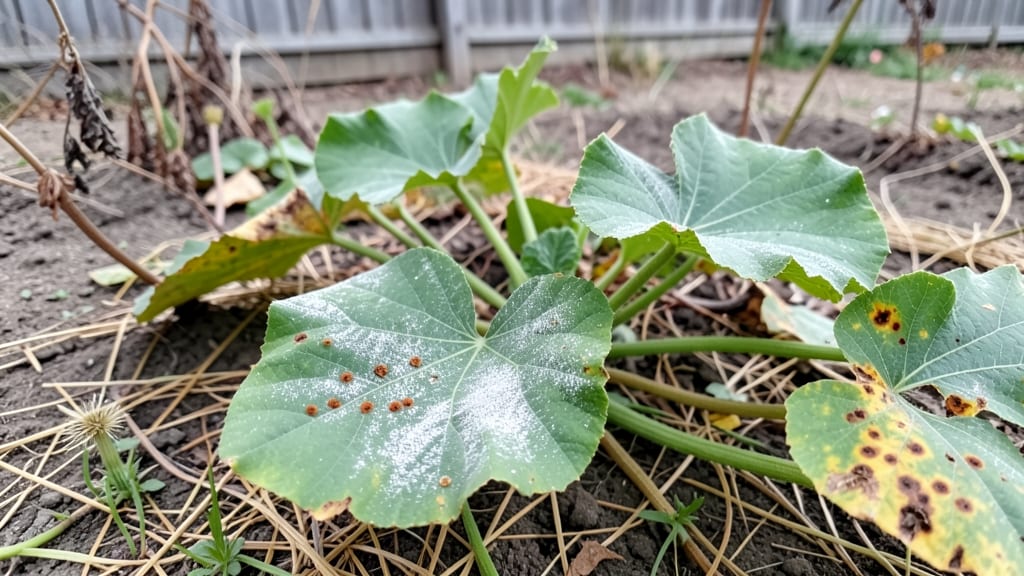
Fungus in plants can turn a thriving garden into a sad, spotted mess—but I’ve learned how to spot it early and stop it fast. 🌱 The first time I saw powdery mildew blanket my roses, I panicked, but knowing the signs and acting quickly saved my plants.
Now, I check leaves weekly for those telltale white dust or orange rust spots, and I’ve got a foolproof routine to keep fungus from taking over.
The real game-changer is prevention: spacing plants properly, watering at the base (not overhead), and keeping leaves dry. I also mix compost into the soil every spring—healthy roots resist infections better. When fungus does strike, I grab my neem oil spray or copper fungicide and act within 24 hours.
The key is catching it before it spreads, because once it’s everywhere, recovery gets tough.
You’ll learn to prune infected leaves without harming the plant, sanitize tools between uses, and even save heavily damaged plants with the right treatment. My tomatoes went from blackened stems to full harvests in just two weeks after I followed these steps.
The goal isn’t just to stop the fungus—it’s to restore your garden’s health so it stays strong for the next season.
This works for vegetables, flowers, and even houseplants, no matter your garden size. Whether you’re dealing with powdery mildew on cucumbers or root rot in your potted basil, the same principles apply. Let’s get your garden back to its best—and keep it that way.
The Hidden Triggers Behind Plant Fungus
Fungal infections in plants don’t just appear out of thin air—they’re often the result of a perfect storm of environmental conditions, poor plant health, or even human habits. Understanding these triggers is the first step in preventing outbreaks and keeping your garden thriving.
Below, we break down the most common causes, backed by science, so you can spot the warning signs before they spiral out of control.
Fungi thrive in damp, humid environments because their spores need moisture to germinate and spread. While plants need water to survive, overwatering or poor drainage creates the ideal breeding ground for fungal pathogens like Phytophthora (root rot) or Botrytis (gray mold). Here’s why it happens:
- Prolonged leaf wetness: Fungal spores land on leaves and need at least 6–12 hours of moisture to infect plant tissues. Heavy dew, frequent rain, or overhead irrigation (like sprinklers) keep leaves damp too long. Pro tip: Water early in the day so foliage dries by sunset.
- Waterlogged soil: Compacted or poorly draining soil traps excess water, suffocating roots and inviting Pythium or Fusarium fungi. These pathogens attack weakened roots, cutting off nutrient uptake and leading to wilting or sudden death.
- High humidity: Greenhouses, shaded areas, or dense plantings with poor airflow trap moisture, creating a fungal paradise. Actionable fix: Space plants 12–18 inches apart and use fans to improve circulation.
Fungi love moderate temperatures (60–80°F), but extreme heat or cold weakens plants, making them easier targets. Here’s how temperature plays a role:
- Cool, wet springs: Many fungal diseases (e.g., downy mildew) peak when nights are chilly and days are humid. Why? Cool temps slow plant growth, reducing their ability to fight off infections.
- Heat stress: While fungi dislike extreme heat (>90°F), heatwaves combined with drought weaken plants, leaving them susceptible to secondary fungal infections when rain finally returns.
- Sudden temperature drops: Frost or late-season freezes damage plant cells, creating entry points for fungi like powdery mildew. Solution: Use row covers or mulch to protect plants during temperature shifts.
Stagnant air traps moisture, spores, and heat—all of which accelerate fungal growth. Crowded gardens or dense foliage (like overgrown tomatoes or roses) create microclimates where fungi spread unchecked. Key culprits:
- Overcrowded plants: When leaves brush against each other, spores hitchhike from infected to healthy plants. Example: Powdery mildew spreads rapidly in tightly packed squash or cucumber vines.
- Thick mulch layers: While mulch conserves moisture, piling it too high (4+ inches) against stems can trap moisture and encourage rot-causing fungi like Armillaria (shoestring root rot).
- Shady or enclosed spaces: Greenhouses, patio planters, and north-facing gardens with poor airflow are hotspots for Botrytis and Alternaria.
💡 Pro Tip: Prune plants to improve airflow, and avoid mulching too close to stems. Aim for a 2–3 inch gap around plant bases.
Healthy plants resist fungi, but stress—whether from nutrient deficiencies, pests, or physical damage—lowers their guard. Common stressors that invite fungal invaders:
- Nutrient imbalances: Too much nitrogen (common in synthetic fertilizers) promotes lush, weak growth that’s prone to powdery mildew. Fix: Use balanced fertilizers (e.g., 10-10-10) and supplement with phosphorus (P) and potassium (K) to boost disease resistance.
- Pest damage: Insects like aphids or spider mites injure plant tissues, creating entry points for fungi. Example: Aphid saliva can trigger sooty mold growth on honeydew-covered leaves.
- Physical trauma: Pruning cuts, hail damage, or even overzealous weeding can wound plants, inviting Cercospora (leaf spot) or Rhizoctonia (damping-off in seedlings).
✨ Prevention Hack: Strengthen plants with beneficial microbes like Trichoderma (a natural antifungal) or compost teas rich in mycorrhizal fungi to outcompete pathogens.
Fungal spores can linger on tools, soil, or even plant debris for years, waiting for the right conditions to strike. How they spread:
- Reused gardening tools: Pruners, trowels, or trellises contaminated with Phytophthora or Verticillium wilt can transfer spores to new plants. Solution: Sterilize tools with 70% isopropyl alcohol or a 10% bleach solution between uses.
- Infected plant debris: Leaving behind last year’s crop residues (e.g., tomato stems with early blight) or mulching with diseased leaves spreads spores. Action: Remove and compost only disease-free debris (or use a municipal green bin).
- Contaminated soil or potting mix: Reusing soil from infected plants or buying cheap, unsterilized potting mix can introduce Fusarium or Pythium. Fix: Solarize soil (cover with clear plastic for 4–6 weeks in summer) or use pasteurized potting mixes.
Fixing Plant Fungus Fast
Fungal infections can feel like a losing battle, but with the right approach, you can save your plants and prevent future outbreaks. Below, we’ve mapped common causes to practical fixes, plus prevention tips to keep your garden thriving. Let’s tackle this step by step—no green thumb required!
Fix: Adjust your watering habits and improve airflow.
- 🔥 Reduce watering frequency – Let the top 1-2 inches of soil dry out between waterings. Use your finger to test moisture.
- 🍳 Upgrade your pots – If using containers, add drainage holes or switch to terracotta pots, which wick away excess moisture.
- 👨🍳 Raise beds or mounds – For in-ground plants, create slight elevation to prevent water pooling.
- ⏰ Water in the morning – This allows foliage to dry quickly, reducing humidity where fungi love to grow.
💡 Pro Tip: Mulch with straw or pine needles (not wood chips) to improve drainage while retaining soil moisture.
Fix: Boost airflow and sunlight exposure.
- 🔥 Prune crowded plants – Thin out dense foliage to allow air circulation. Aim for 30-50% more space between plants.
- 🍳 Move plants to sunnier spots – Most fungi thrive in low-light, high-humidity environments. Gradually acclimate plants to brighter areas.
- 👨🍳 Use a fan – A gentle clip-on fan (like those for seed starting) can reduce humidity around susceptible plants.
- ✨ Add reflective surfaces – Place mirrors or white walls near shaded areas to bounce extra light onto plants.
💡 Pro Tip: Avoid watering leaves—water at the base instead to minimize moisture on foliage.
Fix: Sterilize and refresh the growing environment.
- 🔥 Disinfect tools – Wipe pruners, shears, and trowels with 70% isopropyl alcohol or a 10% bleach solution (1 part bleach to 9 parts water) between uses.
- 🍳 Replace infected soil – If soil is heavily contaminated, remove and replace the top 2-3 inches with fresh, sterile potting mix.
- 👨🍳 Solarize the soil – For garden beds, cover the area with clear plastic for 4-6 weeks in hot sun to kill fungi naturally.
- ⏰ Rotate crops – Avoid planting the same family of plants (e.g., tomatoes, peppers) in the same spot yearly.
💡 Pro Tip: Add composted bark or perlite to soil to improve drainage and reduce fungal spores.
If fungi have taken hold, act fast with these targeted solutions:
| Fungus Type | Chemical Fix | Organic Fix |
|---|---|---|
| Powdery Mildew | Neem oil + baking soda spray (1 tsp baking soda + 1 quart water + few drops of soap) | Potassium bicarbonate spray (2 tbsp per gallon of water) |
| Black Spot | Fungicide with chlorothalonil (follow label) | Copper fungicide (organic-approved) |
| Root Rot | Systemic fungicide (e.g., Azoxystrobin) | Hydrogen peroxide (3%) – Soak roots before replanting |
| Rust | Proprietary fungicides (e.g., Tribasic copper sulfate) | Garlic or chili pepper spray (1 chopped bulb/pepper per quart of water) |
⚠️ Safety Note: Always wear gloves and follow label instructions for chemical treatments. Test sprays on a small area first!
Once you’ve treated the problem, lock it out with these habits:
- 🌡️ Space plants properly – Follow tag spacing guidelines (e.g., tomatoes need 18-24 inches apart).
- 💡 Choose resistant varieties – Opt for disease-resistant seeds (look for labels like "PM" for powdery mildew resistance).
- 🍄 Clean up debris – Remove fallen leaves, spent plants, and weeds where fungi hide.
- 🌿 Boost plant health – Healthy plants fight fungi better! Fertilize with balanced, low-nitrogen options (e.g., compost tea or fish emulsion).
✨ Bonus: Companion planting works! Pair susceptible plants with fungus-repelling allies like:
- Marigolds (detoxify soil)
- Garlic & onions (natural fungicides)
- Basil (deters mildew)
Remember: Fungal issues are manageable—the key is early action and consistent care. With these fixes, your garden will stay lush, fungus-free, and flourishing! 🌱💚
Frequently asked questions
Can I still use plants with fungus if I harvest the healthy parts?
Harvesting only the unaffected parts is risky—fungus spores can spread to other areas of the plant or contaminate your kitchen. For leafy greens like spinach or lettuce, cut off the outer infected leaves and compost them immediately. For fruits/vegetables (tomatoes, peppers), remove the entire plant if heavily infected to prevent cross-contamination.
How do I know if my houseplant has fungus versus just dirt or dust?
Fungal growth appears as colored spots (white powder, orange rust, black patches) that spread over time, while dust looks like gray film that wipes off with a damp cloth. Hold the leaf up to light—fungus often appears fuzzy or slimy, whereas dust is uniform. Test by gently rubbing the spot: if it leaves a mark, it’s likely fungus.
Will fungicides harm beneficial insects like bees or ladybugs?
Most chemical fungicides can harm pollinators, but organic options like neem oil or copper sprays are safer when applied in the late afternoon (when bees are less active). Always avoid spraying flowers directly. For chemical treatments, choose systemic fungicides (absorbed by plants) and apply only when flowers aren’t open.
Can I reuse soil from a plant that had fungus?
Reusing infected soil risks reinfecting new plants. For potted plants, replace the top 2-3 inches of soil with fresh, sterile mix. For garden beds, solarize the soil (cover with clear plastic for 4-6 weeks in summer) or add composted bark to break down fungal spores. Never reuse soil from severely diseased plants without treatment.
Why does fungus keep coming back even after treatment?
Fungal spores can persist in soil, tools, or plant debris for years. The issue often stems from repeating the same conditions (overwatering, poor airflow) that caused the initial outbreak. After treatment, sterilize tools, rotate crops, and improve garden hygiene to break the cycle. Test soil pH (fungi thrive in acidic soil) and adjust with lime if needed.