
Plants
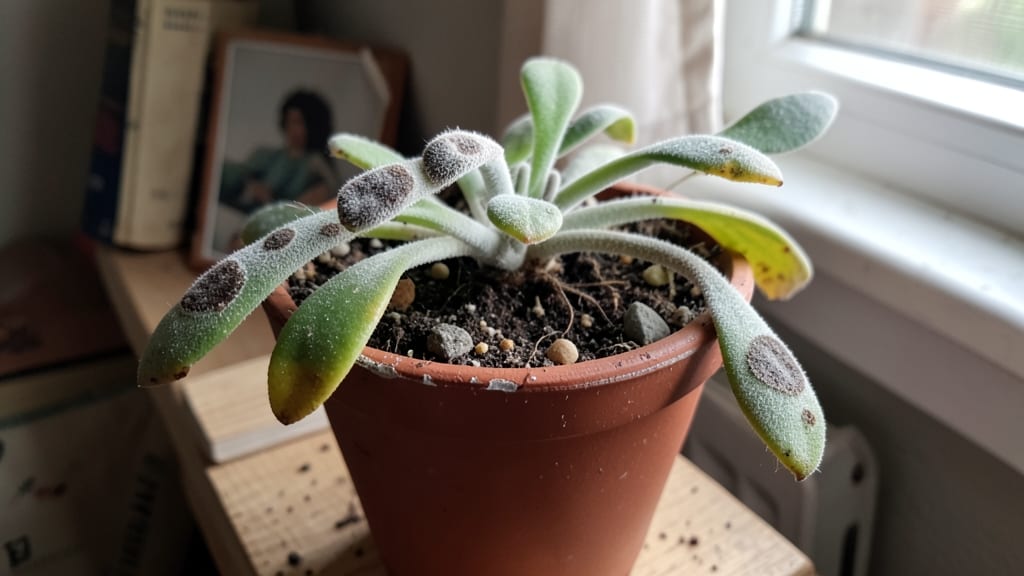
Houseplant fungus turns lush leaves into a sad, spotted mess—unless you catch it early. 🌱 I’ve seen ferns go from vibrant green to blackened within weeks, and the key to saving your plants is knowing what to look for and how to act fast.
The good news? Most fungal issues respond to simple fixes if you spot them before they spread.
Overwatering is the #1 culprit, but poor air circulation and high humidity play a role too. That fuzzy white coating on your monstera? Likely powdery mildew. Those dark, greasy spots on your snake plant?
Probably leaf spot. The moment you see anything suspicious, isolate the plant and stop watering it until you’ve treated it—this stops the fungus from spreading to your other greens.
Pruning infected leaves and wiping down foliage with a 1:10 hydrogen peroxide solution works for mild cases. For stubborn fungus, a copper-based fungicide (like copper soap) is your best bet—just follow the label, and your plants will bounce back in 2-4 weeks.
Prevention is easier: water only when the top inch of soil is dry, and give your plants some airflow.
Different plants need different care—ferns love humidity but hate soggy roots, while snake plants thrive on neglect. The right approach depends on what you’re growing, so we’ll break down plant-specific fixes next. Let’s get those leaves back to their best!
Root Causes Of Plant Fungus
Fungal infections in houseplants aren’t random—they’re usually the result of specific environmental or care-related triggers. Understanding these causes helps you take proactive steps to prevent outbreaks before they start. Below, we break down the top reasons your plants develop fungus, backed by science and actionable insights.
Fungi thrive in excess moisture, especially when roots sit in soggy soil for too long. Here’s why this happens:
- Waterlogged soil cuts off oxygen to roots, creating the perfect anaerobic (oxygen-free) environment for fungal spores like Phytophthora or Pythium to germinate.
- Slow-draining pots (e.g., plastic containers without drainage holes) trap water at the base, while compacted or heavy soil (like pure clay) fails to aerate properly.
- Overzealous watering—especially with cold water—shocks the plant’s roots, weakening their defenses against fungal pathogens.
💡 Pro Tip: Stick your finger 1-2 inches into the soil before watering. If it’s damp, wait. For potted plants, always use containers with drainage holes and consider adding perlite or orchid bark to improve airflow.
Many houseplants love humidity, but stagnant, damp air is a fungal magnet. Here’s the science:
- Fungal spores (like those causing powdery mildew or gray mold) float in humid air and land on leaves, where they germinate if conditions are right.
- Low airflow (e.g., crammed plants on a windowsill or in a closed bathroom) prevents evaporation, keeping surfaces wet longer.
- Condensation on leaves or pots (common in greenhouses or steamy kitchens) creates a film of water—ideal for fungal growth.
✨ Fix It: Place a small fan near your plants to improve circulation, or wipe leaves with a damp cloth to remove excess moisture. For tropical plants, mist in the morning (not evening) to allow leaves to dry.
Fungi can lurk in old potting mix, garden tools, or even water you use to care for plants. Here’s how:
- Reused or unsterilized soil may contain dormant fungal spores from previous plants. Even "fresh" soil can harbor pathogens if stored improperly. - Dirty pruners, pots, or watering cans transfer fungi between plants.
For example, bacterial leaf spot can spread via contaminated scissors. - Tap water sometimes carries fungal spores or bacteria, especially if your water source is untreated.
🔥 Prevention: Sterilize tools with rubbing alcohol (70% or higher), and bake potting soil in the oven at 200°F (93°C) for 30 minutes to kill pathogens. Use filtered or distilled water for sensitive plants.
Plants under stress are far more susceptible to fungal infections. Here’s the connection:
- Insufficient light weakens a plant’s cuticle (its natural protective layer), making it easier for fungi like downy mildew to penetrate.
- Nutrient deficiencies (especially lack of phosphorus or potassium) impair root and leaf health, reducing resistance to pathogens.
- Temperature shocks (e.g., drafts near AC vents or cold windowsills) stress plants, lowering their immune response.
🎯 Solution: Rotate plants for even light exposure, use a balanced fertilizer (like 10-10-10), and keep them in stable temperature zones (ideally 65–75°F / 18–24°C).
Some pests don’t just damage leaves—they create wounds that invite fungal infections. The worst offenders:
| Pest | How It Spreads Fungus | Example Fungus |
|---|---|---|
| Aphids | Excrete honeydew, a sugary film that feeds sooty mold. | Capnodium (black sooty mold) |
| Spider Mites | Weakened leaves become entry points for powdery mildew. | Erysiphe spp. |
| Mealybugs | Their cottony residue traps moisture, promoting gray mold. | Botrytis cinerea |
👨🍳 Action Step: Treat infestations immediately with neem oil or insecticidal soap, then isolate affected plants to prevent cross-contamination.
Some fungal outbreaks stem from external conditions beyond your control:
- Outdoor exposure: Bringing in infested leaves, soil, or even rainwater can introduce fungi like rust (Puccinia spp.) or leaf spot. - Seasonal changes: Spring and fall see more fungal outbreaks due to fluctuating humidity and temperature. - New plant introductions: Fungi can hitchhike on store-bought plants (especially tropical species).
Always quarantine new additions for 2–4 weeks.
🌡️ Quick Fix: If you suspect an outdoor source, wash new plants with a mild soap solution and inspect them under black light (some fungi fluoresce!).
Quick Fixes for Fungal Foes
Fungal infections in houseplants can feel like a losing battle, but with the right moves, you can turn things around fast.
Below, we’ve mapped out the most common causes of plant fungus and the practical, step-by-step solutions to stop it in its tracks—plus how to keep your green babies healthy long-term.
Signs: Yellowing leaves, mushy stems, foul odor, or moldy soil.
How to Fix It: 🔥 Step 1: Remove the Plant Gently take the plant out of its pot and inspect the roots. If they’re black, mushy, or smell rotten, trim the damaged parts with sterilized scissors (dip them in rubbing alcohol first).
🍳 Step 2: Repot in Fresh Soil Discard the old, soggy soil—fungus loves damp, nutrient-depleted dirt. Rinse the roots under lukewarm water to remove excess grime, then repot in a well-draining mix (cactus/succulent soil works for many plants).
👨🍳 Step 3: Adjust Your Watering Habits
- Wait until the top 1–2 inches of soil are dry before watering again.
- Use pots with drainage holes (if not already present).
- Consider a terracotta pot—it breathes better than plastic.
💡 Pro Tip: If your plant is severely compromised, skip fertilizing for 4–6 weeks to let it recover.
Signs: White, fuzzy mold (powdery mildew), brown spots, or stunted growth.
How to Fix It: ✨ Step 1: Increase Air Circulation
- Move the plant to a bright, airy spot (near a window but not in direct sun).
- Use a small fan on low setting (3–4 hours/day) to mimic gentle breezes.
- Avoid cramming plants too close together—fungus spreads like gossip in a crowded room.
🌡️ Step 2: Reduce Humidity
- If your home is humid (common in bathrooms or kitchens), use a dehumidifier or place a silica gel packet near the plant.
- Mist only the leaves (not the soil) in the morning so foliage dries quickly.
🎯 Step 3: Treat Existing Fungus
- Neem oil spray (1 tsp neem oil + 1 tsp mild soap + 1 quart water) applied weekly for 2–3 weeks.
- Baking soda solution (1 tsp baking soda + 1 quart water + a drop of dish soap) as a preventative spray.
💡 Pro Tip: Wipe leaves with a damp microfiber cloth once a week to remove dust and prevent fungal hotspots.
Signs: Sticky residue, tiny bugs (aphids, mealybugs, or spider mites), or sudden leaf drop.
How to Fix It: 🔪 Step 1: Quarantine & Inspect Isolate the infected plant to stop pests from hitchhiking to your other greens. Check undersides of leaves and stems for pests.
⏰ Step 2: Knock Out Pests
- For soft-bodied bugs (aphids, mealybugs): Spray with soapy water (1 tsp mild soap + 1 quart water) or rubbing alcohol mix (1 part alcohol to 4 parts water).
- For spider mites: Blast off with a strong stream of water, then treat with neem oil.
💡 Pro Tip: Ladybugs and lacewings are natural pest predators—release them near infected plants for a chemical-free cleanup.
Once you’ve treated the issue, stop it from coming back with these habits:
- Water in the morning so leaves dry by night.
- Sterilize tools (pruners, pots) with bleach or alcohol before use.
- Rotate plants every few weeks for even sunlight exposure.
- Test your soil’s moisture with your finger—if it’s damp, wait!
Remember: Fungal issues are fixable, but speed is key. The sooner you act, the better your plant’s chances of bouncing back—no sad, droopy leaves required! 🌿✨
Frequently asked questions
What does houseplant fungus look like on leaves?
Fungal infections show up in different ways depending on the type. Look for white powdery coatings (powdery mildew), black or brown spots with yellow halos (leaf spot), or fuzzy gray mold (Botrytis). Root rot appears as mushy, discolored roots with a foul smell. Early signs often start as tiny specks before spreading.
Can I save a plant with fungal infection?
Yes, but act fast! Isolate the plant immediately, prune infected areas with sterilized tools, and adjust care (reduce watering, improve airflow). For stubborn cases, use a copper fungicide or neem oil spray. With proper treatment, many plants recover within 2-4 weeks—just don't wait until it's too late.
Why does my snake plant keep getting fungus?
Snake plants thrive on neglect but hate soggy conditions. Overwatering is the #1 cause—these plants store water in their leaves and need watering only every 2-3 weeks. Use a well-draining mix and pot with holes. If fungus keeps returning, check your watering habits or move it to a sunnier spot.
Is hydrogen peroxide safe for treating plant fungus?
A 3% hydrogen peroxide solution (mixed 1:10 with water) is great for mild fungus as a leaf spray. It kills spores on contact without harming plants. For severe cases, use it weekly for 2 weeks while also improving airflow. Just avoid using it on sensitive plants like orchids or cacti.
How do I prevent fungus when buying new plants?
Always quarantine new plants for 2-4 weeks in a separate area. Inspect leaves and soil for signs of fungus before bringing them home. Wash new plants with mild soap water and use sterilized pots. Avoid placing them near infected plants until you're sure they're clean.