
Pruning
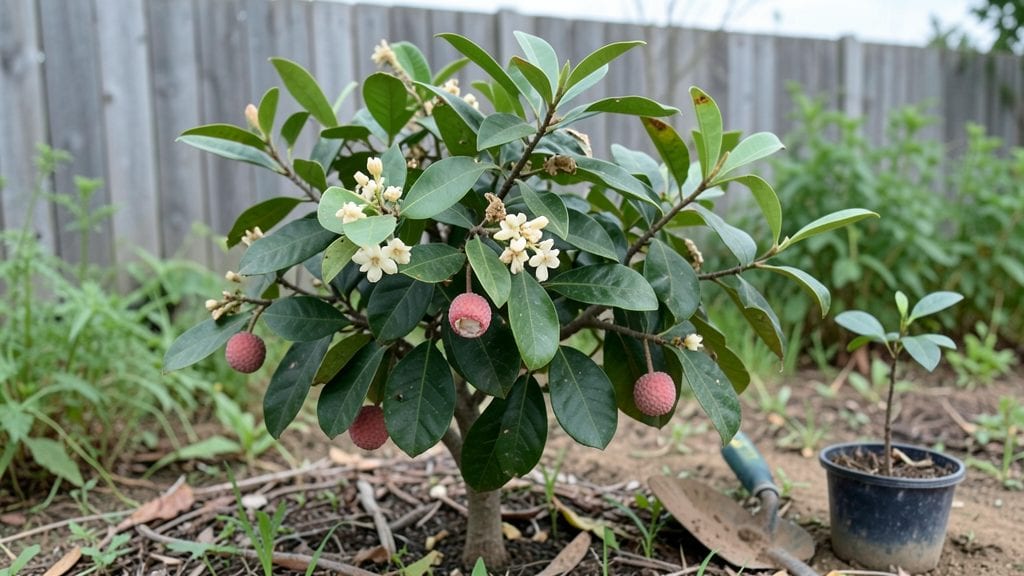
Planting a lychee tree turns your backyard into a tropical oasis—if you nail the soil, sun, and patience. 🌿 I’ve watched these trees go from a bare root to heavy with fragrant fruit, and the secret starts with mimicking their native rainforest home.
The key isn’t just digging a hole; it’s creating the right conditions for a tree that hates cold snaps and soggy roots.
You’ll need well-draining soil (think sand or volcanic rock mixed in), a spot that gets full sun, and a climate that stays above 25°F—no exceptions. If you’re in a cooler zone, container growing is your best bet, though even then, winter protection is a must.
The first year is all about establishing roots, so water deeply but let the top inch dry between soakings.
By year three, you’ll see those signature pink flowers and, with luck, your first lychees—sweet, juicy, and worth every bit of fuss. The tree’s glossy leaves alone make it a stunner, but the payoff?
Fresh fruit that tastes like summer, no matter where you live. Here’s how to set it up right from the start.
Containers work for young trees, but they’ll need 5-gallon minimum pots and regular repotting as they grow. In frost-free zones, in-ground planting gives them the best shot at reaching their full 40-foot height. Either way, prune lightly to encourage airflow—lychees hate humidity rot.
📚 In This Guide
- What you need
- Instructions
- Tips and common mistakes
- Wrapping up and next steps
What you need
- ● Lychee sapling or seeds: Choose a healthy, disease-resistant variety (e.g., Kwai Mi or Bengal). Saplings (1–2 years old) are easier than seeds.
- ● Well-draining soil: Mix 60% sandy loam with 30% compost and 10% perlite/vermiculite (pH 5.5–6.5). Avoid clay-heavy soil!
- ● Pot or planting hole: Container: 15–20 gallon pot (if growing indoors or in cooler climates). Use drainage holes!
- ● Outdoor: Dig a hole twice as wide and as deep as the root ball.
- ● Organic fertilizer: Balanced NPK (10-10-10) or citrus-specific fertilizer (e.g., Espoma Citrus-Tone). Apply every 4–6 weeks during growing season.
- ● Mulch: 2–3 inches of organic mulch (e.g., straw or wood chips) to retain moisture and regulate temperature.
- ● Watering can or hose: With a gentle spray nozzle to avoid damaging young roots.
- ● Pruning shears: Sharp, bypass-style shears (sterilized with rubbing alcohol).
- ● Grow lights: LED full-spectrum bulbs (for indoor/container growing; 12–14 hours/day).
- ● Soil moisture meter: To monitor 40–60% moisture (lychees hate soggy roots!).
- ● Pollination aid: A soft paintbrush (for hand-pollinating flowers if no bees are present).
- ● Frost cloth: For young trees in USDA Zones 9–11 (lychees hate frost!).
- ● Slow-release fertilizer spikes: For low-maintenance nutrient delivery.
Step-by-step instructions for planting a lychee tree
Here’s my foolproof method for getting your lychee tree off to a strong start—even in less-than-tropical climates.
🌱 Step 1: Choose the Right Location and Prepare the Soil
Lychees thrive in full sun—at least 6-8 hours daily—so pick the warmest, most sheltered spot in your yard. If you’re in a cooler zone, a south-facing wall or greenhouse works best. The soil must drain exceptionally well; lychees hate soggy roots. Amend heavy soil with 3-4 inches of coarse sand or perlite per hole to improve drainage.
Dig a hole twice as wide as the root ball but only as deep as the container it came in. Loosen the sides of the hole with a shovel to encourage root spread. If your soil is acidic (pH 5.0-6.5 is ideal), mix in 1-2 cups of sulfur per hole to adjust the pH before planting.
🪴 Step 2: Plant the Tree at the Correct Depth
Gently remove the lychee tree from its container and loosen any circling roots with your fingers—this prevents girdling as the tree matures. Place it in the hole so the top of the root ball sits just below soil level (never bury the graft union if it’s visible). Fill the hole with soil, pressing lightly to remove air pockets but avoiding compaction.
Water deeply right after planting to settle the soil and eliminate gaps. You’ll know it’s right when water drains freely from the bottom of the hole—no puddling. Mulch the base with 2-3 inches of organic mulch (like pine bark), keeping it 6 inches away from the trunk to prevent rot.
☀️ Step 3: Water and Protect in the First Critical Months
For the first 4-6 weeks, water 2-3 times per week—enough to keep the soil evenly moist but not soggy. Lychees are drought-sensitive when young, so check soil moisture by sticking your finger 2 inches deep; if it’s dry, water again. Avoid wetting the leaves to prevent fungal diseases like anthracnose, which thrives in humid conditions.
If temperatures drop below 40°F, protect your tree with frost cloth or move it to a sheltered spot. Lychees are tropical—any frost will kill them, so plan ahead. In cooler climates, grow your tree in a large container so you can winter it indoors near a sunny window.
✂️ Step 4: Prune and Fertilize for Strong Growth
Wait 3-4 months before pruning—this gives the tree time to establish. Remove any dead, crossing, or weak branches first, then trim back overly long shoots by one-third to encourage bushier growth. Lychees flower on new wood, so light pruning promotes better fruiting later.
Fertilize every 6-8 weeks starting in spring with a balanced citrus/lychee fertilizer (high in zinc and boron). Follow label rates—over-fertilizing burns roots. In cooler months, reduce feeding to once every 2-3 months to match the tree’s slower growth.
🌿 Step 5: Monitor for Pests and Adjust Care Seasonally
Watch for scale insects, mealybugs, or spider mites—common pests that suck sap and weaken young trees. Wipe leaves with a soapy water solution (1 tsp mild soap per gallon) if you spot sticky residue or tiny webs. For severe infestations, use neem oil as a natural treatment.
In summer, increase watering to once every 5-7 days if there’s no rain, but always check soil moisture first. As fall approaches, reduce watering gradually to once every 10-14 days to harden the tree for dormancy. If growing in a container, move it to a garage or basement (not freezing!) where temps stay 50-60°F until spring.
Tips & tricks for perfect lychee tree planting
Here's what I've learned after helping countless gardeners bring lychee trees to life—these are the secrets that make all the difference.
The Sunlight Secret: While 6-8 hours of sun is ideal, lychees actually thrive with more sunlight if possible. If your tree gets less than 6 hours, supplement with a grow light for 4-6 hours daily during winter months. I've seen trees in partial shade struggle to fruit—those extra sun hours make a huge difference in fruit production.
Soil Prep Pro Tip: When amending your soil with 3-4 inches of coarse sand or perlite, mix it thoroughly with the native soil—not just at the bottom of the hole. This creates even drainage throughout the root zone. I've seen too many trees suffer from poor drainage because the amendment was only at the bottom. Also, if your soil tests below pH 5.0, add that 1-2 cups of sulfur gradually—don't dump it all at once or you risk shocking the roots.
Watering Wisdom: Those first 4-6 weeks are critical, but don't drown your tree! Water deeply until it drains freely, then wait until the top 2 inches are dry before watering again. I've learned this the hard way—overwatering leads to root rot faster than you'd think. And remember, lychees hate wet leaves, so water at the base rather than overhead.
Winter Survival Strategy: If you're bringing your container-grown lychee indoors for winter, place it near a south-facing window where it gets at least 4-6 hours of sunlight daily. I've had great success with a simple LED grow light on a timer for 8 hours when natural light is insufficient. Keep the temperature between 50-60°F and avoid drafts—lychees are tropical and don't handle temperature swings well.
Pro Tips for Planting Lychee Tree
- Here's what I've learned after helping countless gardeners bring lychee trees to life—these are the secrets that make all the difference.
- The Sunlight Secret: While 6-8 hours of sun is ideal, lychees actually thrive with more sunlight if possible.
- Soil Prep Pro Tip: When amending your soil with 3-4 inches of coarse sand or perlite, mix it thoroughly with the native soil—not just at the bottom of the hole.
Frequently asked questions
Got questions about growing your own lychee tree? Here are some common concerns—and expert answers—to help you succeed!
How long does it take for a lychee tree to bear fruit?
A lychee tree typically takes 3–5 years to produce fruit from seed, but grafted trees can bear fruit in just 2–3 years. Patience is key—focus on proper care (water, sunlight, and soil) to speed up the process.
What’s the best time of year to plant a lychee tree?
Plant your lychee tree during the early spring (just before new growth starts) or late winter in warm climates. Avoid extreme heat or frost—lychees thrive in 75–85°F (24–29°C) soil. If planting in summer, do it in the early morning or late afternoon to reduce stress.
Can I grow a lychee tree in a pot, or do I need a garden?
Yes! Lychee trees adapt well to large containers (15+ gallons) if you live in a cooler climate. Use well-draining soil, repot every 2–3 years, and move pots indoors when temps drop below 50°F (10°C). Just ensure the pot gets full sun (6+ hours daily) for best growth.
Why aren’t my lychee tree leaves turning green, and what can I fix?
Yellow or pale leaves often signal nutrient deficiency (nitrogen, iron, or magnesium) or overwatering. Test your soil and amend with compost or a citrus-specific fertilizer. If roots are soggy, improve drainage and reduce watering. Pests like aphids can also cause stress—spray with neem oil if needed.
Are lychee trees drought-tolerant once established?
Once mature, lychee trees are moderately drought-tolerant but still need regular watering (1–2 inches weekly) during dry spells. Deep watering (every 7–10 days) encourages strong root growth. Mulch around the base to retain moisture and protect roots from heat.
Wrapping up and next steps
Planting a lychee tree is a rewarding journey that blends tropical beauty with delicious fruit—if you embrace patience and the right care! 🌱 From selecting the perfect variety to nurturing it through seasons, every step counts.
With consistent attention to soil, water, and pruning, you’ll soon enjoy fragrant blossoms and sweet rewards.
Ready to grow? Start by ordering your sapling or preparing your garden spot today. Share your progress with fellow plant enthusiasts or tag us—we’d love to see your lychee tree thrive! 🌟