
Companion Plants
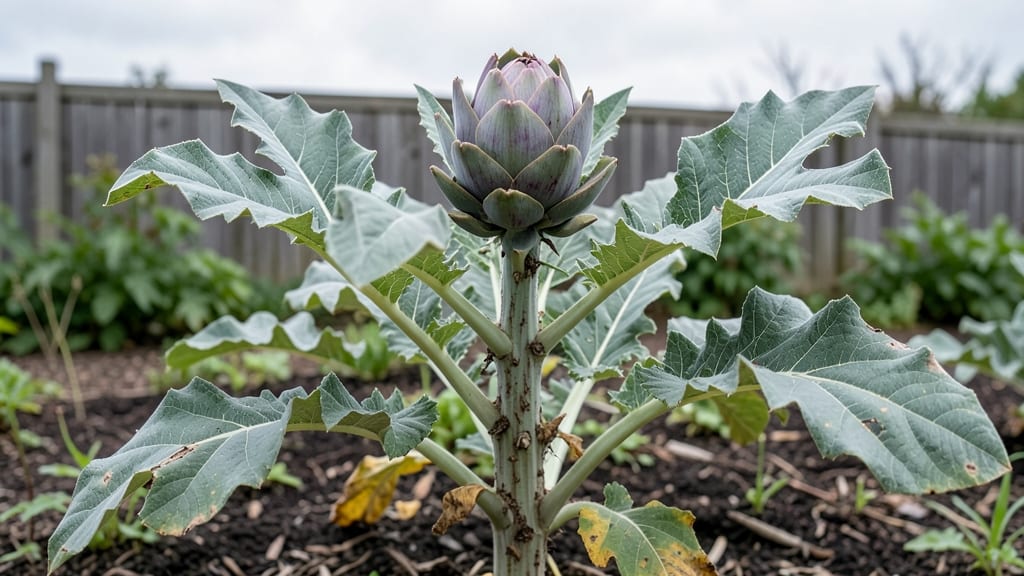
Growing Violetta artichoke plants transforms your garden into a year-round edible landscape—tender, globe-shaped buds ready to pick straight from the plant. 🌿 I’ve grown them for three seasons now, and the key to their success isn’t complicated: it’s all about timing those three strategic trims and keeping the soil rich.
These aren’t your typical prickly artichokes—they’re sweet, compact, and perfect for snacking or salads, with harvests stretching from early summer through fall.
The real magic happens in the soil and sunlight. Violetta thrives in well-draining, slightly alkaline soil with a pH between 7.0 and 8.0, and they demand full sun—at least 6-8 hours daily.
Start with a 5-10 gallon container or in-ground bed, and space plants 18-24 inches apart to give their broad leaves room to spread. Water consistently but avoid soggy roots; these plants hate wet feet.
The first trim comes when buds swell to 2-3 inches—pinch off the top flower to encourage side shoots, and you’ll get a second flush of harvests within weeks.
What you’ll end up with is a bush that keeps producing for months, with buds that stay tender and sweet if picked regularly. The flavor is milder than traditional artichokes, almost nutty, and the plants themselves add striking texture to any garden bed.
Even in cooler climates (zones 8-10), a little row cover in winter keeps them going. The only downside? If you skip those trims, the plant bolts and goes to seed—so stay on top of it.
Works beautifully as a border plant, in containers, or even in raised beds. Once you master the trims, you’ll wonder why you ever bought store-bought artichokes. Here’s how to keep yours thriving all season long.
📚 In This Guide
- What you need
- Instructions
- Tips and common mistakes
- Wrapping up and next steps
What you need
- ● Violetta artichoke plants: 3–5 healthy seedlings or mature plants (check for no signs of pests/disease)
- ● OR 1–2 lbs of organic artichoke seeds (soaked overnight for faster germination)
- ● Soil: Well-draining, loamy soil (pH 6.5–7.5)
- ● Compost or aged manure (1–2 cups per planting hole for nutrients)
- ● Sunlight: Full sun (6+ hours daily) or partial shade in hot climates
- ● Watering tools: Drip irrigation or watering can (avoid overhead spraying to prevent fungal issues)
- ● Mulch (straw or shredded leaves to retain moisture)
- ● Fertilizer: Balanced 10-10-10 fertilizer (1 tbsp per plant every 4–6 weeks)
- ○ Optional: Liquid seaweed extract (for extra vigor)
- ● Plant supports (bamboo stakes or cages if buds grow heavy)
- ● Row covers (for frost protection in cooler climates)
- ● Pruning shears (for trimming side shoots and shaping plants)
- ● pH test kit (to monitor soil acidity)
- ● Companion plants: Chives, thyme, or marigolds (deter pests naturally!)
How to grow and maintain Violetta artichoke plants for continuous harvests
Here's the straightforward approach I use to keep Violetta artichokes producing tender shoots year after year.
🌱 Step 1: Select and Prepare the Right Location
Violetta artichokes thrive in full sun with at least 6-8 hours of direct light daily. Choose a spot with well-draining soil—they hate soggy roots. If your soil drains poorly, amend with 2-3 inches of compost mixed into the top 6 inches of soil before planting.
These plants grow 18-24 inches tall and spread 12-18 inches wide, so space them 18 inches apart in all directions. I always plant mine in early spring, about 2-3 weeks before the last frost date, when soil temperatures reach 60°F consistently. You'll know the soil is ready when a handful crumbles easily when squeezed.
💧 Step 2: Water and Fertilize for Strong Growth
Keep the soil consistently moist but never waterlogged—artichokes are drought-tolerant once established, but young plants need steady moisture. Water 1-2 inches per week, aiming for the base of the plant rather than overhead. I water in the morning so foliage dries quickly, reducing disease risk.
Feed plants with a balanced 10-10-10 fertilizer every 4-6 weeks during the growing season. Stop fertilizing in late summer to encourage dormancy. You'll notice strong, vibrant growth when leaves are deep green and stems feel firm to the touch.
✂️ Step 3: Prune for Continuous Harvests
The key to year-round harvests is regular pruning. When shoots reach 6-8 inches tall, cut them back to 2 inches above the ground using clean, sharp pruners. This encourages new growth from the base. I make my first cut in early spring and repeat every 4-6 weeks throughout the season.
After each harvest, watch for new shoots emerging from the base. These will produce tender, flavorful regrowth. Avoid cutting more than one-third of the plant at a time—this prevents stress and keeps the plant healthy. You'll see fresh growth within 2-3 weeks after pruning.
☀️ Step 4: Protect and Overwinter for Next Season
As temperatures drop below 50°F, reduce watering and stop fertilizing. In colder climates, mulch plants with 2-3 inches of straw or leaves to insulate roots. I've grown Violetta artichokes through winter in zones 7-10 with minimal protection—they'll regrow in spring.
In early spring, remove old mulch and trim back any dead or damaged growth. New shoots will emerge as soil warms to 55°F. You'll know it's time to resume regular care when you see fresh green growth at the plant's base.
🌿 Step 5: Harvest and Enjoy Year-Round
Harvest shoots when they're 6-8 inches tall but before they develop flower buds. Cut with clean shears just above a leaf node. You'll get 3-4 harvests per season from each plant if you prune correctly. Cook or eat fresh immediately—they lose tenderness when stored.
Real talk: Violetta artichokes are forgiving. Even if you miss a pruning cycle, they'll bounce back. Just keep them in full sun, water consistently, and harvest regularly. You'll have a steady supply of tender shoots for months.
Tips & tricks for perfect Violetta artichoke growth
These key strategies will help you maximize your Violetta artichoke harvests with minimal effort.
Soil Temperature Check: Don't rush planting until soil reaches the exact 60°F threshold mentioned in Step 1. I use a soil thermometer to confirm—planting too early in cold soil can stunt root development. If your soil warms slowly, consider using black plastic mulch to raise temperatures faster.
Pruning Precision: When you're ready to trim those 6-8 inch shoots down to 2 inches in Step 3, use a clean, sharp pair of pruners to make clean cuts. Ragged cuts can invite disease and slow regrowth. I always sterilize my pruners with rubbing alcohol between plants to prevent cross-contamination.
Watering Wisdom: The 1-2 inches per week guideline in Step 2 is perfect, but timing matters just as much. Water deeply in the morning so foliage has all day to dry—this prevents fungal issues that thrive in damp conditions. I've found that using drip irrigation at the base delivers water exactly where it's needed without wetting the leaves.
Fertilizer Timing: Stick to that 4-6 week schedule for your 10-10-10 fertilizer application, but watch your plants closely. If you notice new growth slowing down between applications, that's your cue to fertilize on the earlier side of the range. Stop completely in late summer as instructed—this dormancy period helps plants store energy for next year's harvest.
Pro Tips for Violetta Artichoke Plants
- These key strategies will help you maximize your Violetta artichoke harvests with minimal effort.
- Soil Temperature Check: Don't rush planting until soil reaches the exact 60°F threshold mentioned in Step 1.
- Pruning Precision: When you're ready to trim those 6-8 inch shoots down to 2 inches in Step 3, use a clean, sharp pair of pruners to make clean cuts.
Frequently asked questions
about growing Violetta artichoke plants—let’s tackle the most common queries to help you cultivate success!How long does it take for Violetta artichokes to mature?
Violetta artichokes typically take 80–120 days to reach harvest readiness, depending on your climate and growing conditions. With proper care—like consistent watering and well-draining soil—you can enjoy your first buds in early summer, with potential for multiple harvests if you trim correctly!
Can Violetta artichokes survive winter?
These artichokes are perennial in USDA Zones 7–10 but may die back in colder climates. In frost-prone areas, mulch heavily or dig up tubers in late fall, store them in a cool, dry place, and replant in spring. With protection, you might even get a second harvest the following year!
What should I do if my Violetta artichoke leaves turn yellow?
Yellowing leaves often signal overwatering, nutrient deficiency, or pests. Check soil moisture—it should stay consistently damp but not soggy. Amend soil with compost or use a balanced fertilizer. Inspect for aphids or spider mites; if found, treat with neem oil or insecticidal soap.
Are there any companion plants that help Violetta artichokes thrive?
Plant basil, thyme, or marigolds nearby to deter pests like slugs and aphids. Avoid planting near potatoes or fennel, as they compete for nutrients. Herbs like dill or parsley can also improve flavor and growth when interplanted.
How often should I harvest Violetta artichokes for continuous production?
Harvest every 2–3 weeks once buds are 3–5 inches wide (before they tighten). Cut stems cleanly with shears to encourage more growth. Avoid overharvesting—leave at least 2–3 buds per plant to sustain energy for future production.
Wrapping up and next steps
Growing Violetta artichoke plants is a rewarding way to enjoy fresh, tender greens year-round with just three strategic trims! These hardy plants thrive with minimal fuss, offering a delicious harvest that’s both nutritious and versatile.
Whether you’re a seasoned gardener or a curious beginner, their resilience and productivity make them a must-have in any garden.
Ready to dive in? Start by selecting a sunny spot, gathering your supplies, and planting your Violetta artichokes—your first trim (and tasty reward) could be just weeks away! 🌱✨